
Acupuncture vs. Massage Therapy: Which is Right for You?

Table of Contents Show
Quick Summary
This article explores the unique benefits and differences between acupuncture and massage therapy, helping you determine which treatment suits your needs best. You'll learn about the techniques and methods used in both therapies, the ideal situations for each, and the potential benefits of combining them.
We aim to provide a comprehensive understanding of these wellness treatments and guide you in making an informed decision. By the end, you'll have a clear grasp of how acupuncture and massage therapy can enhance your health and well-being.
TL;DR – Acupuncture vs. Massage Therapy
Both acupuncture and massage therapy support healing, but in different ways.
Acupuncture uses fine needles to balance energy and target internal imbalances.
Massage focuses on soft tissue, relieving muscle tension and boosting circulation.
Choose acupuncture for internal issues like anxiety, digestion, or hormone balance.
Opt for massage when dealing with muscle pain, stress, or physical recovery.
In the vibrant and bustling city of Vancouver, finding the right wellness treatment to fit your lifestyle can be challenging.
Whether you're an athlete looking to recover from intense workouts, a professional dealing with stress, or someone simply seeking holistic therapies for overall well-being, the choice between acupuncture and massage therapy can be daunting.
At West End Wellness, choosing between acupuncture and massage therapy can feel a bit like picking your favorite child….OK, maybe that is just us, but still!
As we offer both and we believe in both and have people who ask us all the time which one they should try, what the differences are, and how to know which one fits best. Whether you're new to holistic treatments or just curious which option might better support your goals right now, you're in the right place.
They each have their strengths, their own way of helping you feel better, and their place in a well-rounded approach to health and we understand that both acupuncture and massage therapy offer unique benefits that can significantly improve your health.
So, here, we will offer our honest take on what each treatment does best, how they overlap, and how they differ. We’ll talk about when acupuncture might be your go-to when massage therapy might be more helpful, and how the two can even work together to support your wellness journey.
Hopefully, by the end, you'll have a clear understanding of the benefits of each treatment and how they can complement your health goals.

We delve into the essential world of self-care and highlight its undeniable importance in maintaining mental health and overall well-being.
Comparing Massage and Acupuncture
Let's start exploring the key aspects of massage and acupuncture. We have already created many health blog articles on both treatments, so here we will briefly explain each modality and highlight its unique benefits.
Understanding these details will help you make an informed decision about which treatment is best suited for your needs. Additionally, we'll touch on the potential risks associated with each to give you a comprehensive view of these wellness treatments.
What is Massage Therapy?
Massage therapy is a hands-on treatment that involves manipulating the muscles, tendons, ligaments, and connective tissues to enhance physical and mental well-being.
It has been practiced for thousands of years across various cultures and remains a popular choice for those seeking relaxation and relief from physical ailments.
-
Swedish Massage: Known for its long, gliding strokes, kneading, and circular movements, it’s great for overall relaxation and stress relief.
Deep Tissue Massage: Focuses on deeper layers of muscle and connective tissue, making it ideal for chronic pain and muscle tension.
Sports Massage: Designed for athletes, this method helps prevent injuries, prepare the body for athletic activity, and maintain optimal condition.
Trigger Point Therapy: Targets specific areas of muscle tightness (trigger points) to relieve localized pain and tension.
-
Pain Relief: Effective in treating chronic pain conditions like back pain, arthritis, and migraines.
Improved Circulation: Enhances blood flow, delivering oxygen and nutrients to muscles more efficiently.
Enhanced Flexibility: Increases range of motion by manipulating muscles, tendons, and ligaments.
Stress Reduction: Promotes relaxation and reduces the production of stress hormones.
Improved Sleep Quality: Helps alleviate insomnia and promotes deeper, more restful sleep.
What is Acupuncture?
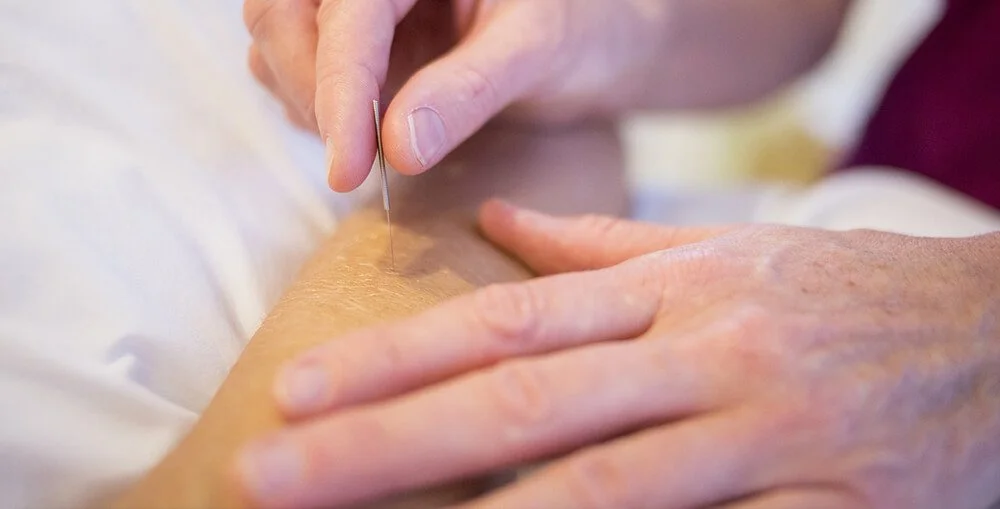
Acupuncture is a traditional Chinese medicine practice that involves inserting thin needles into specific points on the body to balance the body's energy, known as Qi (pronounced "chee").
It is used to treat various physical and mental conditions by stimulating the body's natural healing processes.
-
Traditional Acupuncture: Involves the insertion of fine needles into specific points on the body to regulate the flow of Qi.
Electroacupuncture: Combines traditional acupuncture with electrical stimulation to enhance the effects.
Cupping: Uses suction cups to stimulate blood flow and release muscle tension, often used alongside acupuncture.
Moxibustion: Involves burning a herb called mugwort near the skin to warm and stimulate acupuncture points.
-
Pain Management: Effective in treating chronic pain, including migraines, back pain, and arthritis.
Stress Reduction: Balances the body’s energy, promoting relaxation and reducing stress.
Improved Digestion: Helps alleviate digestive issues by regulating the body’s internal functions.
Enhanced Immune Function: Boosts the body’s natural defences by promoting the flow of Qi.
Hormonal Balance: Helps regulate hormones, which can be beneficial for menstrual and reproductive health.
Key Differences Between Massage and Acupuncture
While both massage and acupuncture aim to enhance physical and mental well-being, they differ significantly in their methods and underlying philosophies.
Approach: Massage therapy involves manual manipulation of the body's soft tissues, while acupuncture uses needles to stimulate specific points on the body.
Philosophy: Massage is based on Western anatomical and physiological concepts, whereas acupuncture is rooted in traditional Chinese medicine and the concept of balancing Qi.
Treatment Focus: Massage typically targets muscles and connective tissues, while acupuncture aims to regulate the body’s energy flow and internal systems.
Immediate Effects: Massage often provides immediate physical relief and relaxation, whereas acupuncture’s effects can be more subtle and accumulate over multiple sessions.
While both massage and acupuncture offer significant benefits, it's important also to be aware of the potential risks. For massage, risks might include soreness, bruising, or allergic reactions to massage oils.
Acupuncture risks can include minor bleeding, bruising, or infection at the needle sites. Consulting with a qualified professional and discussing any health concerns beforehand can help minimize these risks and ensure a safe and beneficial experience.
Acupuncture vs Massage Therapy
Understanding the differences between two popular therapeutic approaches
Focuses on energy flow, Qi, and meridians. Based on Traditional Chinese Medicine principles that view the body as an interconnected system of energy pathways.
Uses fine needles inserted into specific points to stimulate energy flow and promote natural healing responses.
Effective in treating pain associated with:
- Nerve-related pain
- Sharp, tingling, stabbing pain
- Referred pain
- Chronic pain conditions
Avoid if you have:
- Pregnancy (certain points)
- Active cancer treatment
- Spinal instability
- Areas with scars or keloids
- Recent wounds
- Recent intramuscular injections
Grounded in anatomy and physiology, targeting muscle and soft tissue manipulation. Based on scientific understanding of musculoskeletal systems.
Relies on manual manipulation of the body's soft tissues through various massage techniques and pressure applications.
Effective in treating pain associated with:
- Muscle tension and spasms
- Dull and aching pain
- Trigger points
- Soft tissue injuries
Avoid if you have:
- Acute inflammation in treatment area
- Acute febrile conditions
- Severe varicose veins or venous insufficiency
- Atherosclerosis
- Cardiac arrhythmia or heart failure
- Severe rheumatoid arthritis
- Risk of hemorrhage
While both massage and acupuncture offer significant benefits, it's important also to be aware of the potential risks.
For massage, risks might include soreness, bruising, or allergic reactions to massage oils.
Acupuncture risks can include minor bleeding, bruising, or infection at the needle sites.
Consulting with a qualified professional and discussing any health concerns beforehand can help minimize these risks and ensure a safe and beneficial experience.
When to Use Massage Vs. Acupuncture
Deciding between massage therapy and acupuncture can depend on your specific health needs and goals. Here’s a closer look at situations where each treatment might be more beneficial.
Situations Ideal for Massage Therapy
Massage therapy is particularly effective for:
Muscle Pain and Tension: If you experience chronic muscle pain, tension, or stiffness, massage therapy can help alleviate these issues by relaxing tight muscles and improving blood flow.
Stress Relief: For those feeling overwhelmed or anxious, massage therapy provides a relaxing escape that helps reduce stress hormones and promotes a sense of calm.
Sports Injuries: Athletes or active individuals can benefit from sports massages, which help prevent injuries, aid recovery, and improve athletic performance.
Improved Flexibility and Range of Motion: Regular massages can enhance flexibility and keep your muscles and joints in good working condition.
Enhanced Sleep Quality: If you struggle with insomnia or restless sleep, massage therapy can help you relax and achieve a deeper, more restful sleep.
Situations Ideal for Acupuncture
Acupuncture is especially useful for:
Chronic Pain: Conditions like arthritis, migraines, and lower back pain respond well to acupuncture by targeting specific points to relieve pain and reduce inflammation.
Digestive Issues: If you suffer from digestive problems such as irritable bowel syndrome (IBS) or nausea, acupuncture can help regulate your digestive system.
Hormonal Imbalances: For issues related to menstrual cycles, menopause, or reproductive health, acupuncture can help balance hormones and alleviate symptoms.
Stress and Anxiety: Acupuncture helps to balance the body’s energy, reducing stress and anxiety and promoting overall mental well-being.
Boosting Immune Function: Regular acupuncture sessions can strengthen your immune system, helping to prevent illnesses and improve overall health.
Case Examples for Better Understanding
To help you connect with the treatments on a personal level, we’ve included case examples based on common situations faced by non-fictional individuals.
These examples highlight the effectiveness of both massage and acupuncture in real-life scenarios, illustrating how each treatment can address specific health concerns.
Case Example 1: Sarah’s Journey with Massage Therapy
Sarah, a busy professional, struggled with chronic back pain and stress due to her demanding job. She decided to try massage therapy at West End Wellness, Vancouver.
After a few sessions of therapeutic massage, she experienced significant pain relief, improved flexibility, and reduced stress levels.
Regular massage sessions became essential to her wellness routine, allowing her to perform better at work and enjoy her personal life without constant pain.
Case Example 2: James’ Experience with Acupuncture
James, a Vancouver resident, faced chronic migraines and digestive issues. He turned to acupuncture at West End Wellness for relief.
Through consistent sessions, including traditional acupuncture and cupping therapy, James noticed a dramatic decrease in the frequency and intensity of his migraines.
His digestive health also improved, allowing him to enjoy meals without discomfort. Acupuncture helped James balance his body’s energy and improve his overall quality of life.
With these examples in mind, you can better determine whether massage therapy or acupuncture is the right choice for your specific health needs.
Both therapies offer unique benefits and can be powerful tools in your wellness journey.

Can You Combine Acupuncture and Massage?
Absolutely! Combining acupuncture and massage therapy can provide a holistic approach to health and wellness, enhancing the benefits of each treatment.
This integrative approach can address a wider range of physical and mental health issues, offering a more comprehensive solution for overall well-being.
Benefits of Combining Both Therapies
Enhanced Pain Relief: While massage therapy works on relieving muscle tension and improving circulation, acupuncture targets specific points to reduce pain and inflammation. Together, they can provide more effective pain management.
Improved Stress Reduction: Both therapies are excellent for reducing stress. Massage promotes relaxation by easing muscle tension, while acupuncture helps balance the body's energy, providing a deeper sense of calm.
Boosted Immune Function: Regular sessions of both treatments can strengthen your immune system, making you more resilient to illnesses and promoting faster recovery.
Better Sleep Quality: Combining the relaxing effects of massage with the energy-balancing benefits of acupuncture can lead to improved sleep patterns, helping you wake up refreshed and energized.
Holistic Wellness: Together, these therapies address both the physical and energetic aspects of your health, providing a more holistic approach to wellness.
How to Integrate Both into Your Wellness Routine
Consult with Professionals: Speak with both your massage therapist and acupuncturist about your health goals. They can work together to create a personalized treatment plan.
Alternate Sessions: You can schedule your treatments on different days. For example, have a massage therapy session one week and an acupuncture session the next.
Combine Sessions: Some wellness centers, like West End Wellness, offer combined sessions where you can receive both treatments in one visit. This can be particularly beneficial for those with busy schedules.
Listen to Your Body: Pay attention to how your body responds to each treatment. Adjust the frequency and combination of therapies based on your individual needs and how you feel.
Combining acupuncture and massage can maximize the benefits of both therapies, helping you achieve a more balanced and holistic approach to health and wellness.
Frequently Asked Questions
Should I do a massage or acupuncture first?
It depends on your goals. If your muscles feel tight or stiff, starting with massage can help loosen them up and make your acupuncture session more effective. On the other hand, if you're looking to calm your nervous system or address internal imbalances first, acupuncture might be the better starting point. Many clients benefit from rotating between the two depending on how they feel that week.
Can you combine massage and acupuncture?
Yes, you can absolutely combine them, and many people do. Massage helps release tension in the muscles, while acupuncture works on a deeper level to restore balance in the body.
Together, they can improve circulation, reduce pain, and support both physical and emotional well-being. Just make sure to talk with your practitioner so your sessions are scheduled in the right way for your needs.
Is it okay to do a massage and acupuncture on the same day?
Yes, it's okay to have both on the same day as long as your body feels up to it. Some clients enjoy having acupuncture first to relax their system, followed by a massage to release muscle tension.
Others prefer the opposite. Just keep your overall energy level in mind and allow yourself time to rest afterward. It’s a lot of healing in one day!
How long after acupuncture can I have a massage?
You can typically have a massage right after acupuncture or later the same day. If your body feels sensitive or you feel a bit tired after acupuncture (which is common), it may be best to wait a few hours or schedule your massage for another day.
Let your body's feelings guide your timing, and when in doubt, ask your RMT or acupuncturist.
What is the disadvantage of acupuncture therapy?
While acupuncture is generally safe when performed by a licensed practitioner, it’s not for everyone. Some people may experience lightheadedness, fatigue, or slight soreness at the needle insertion sites.
Others may not see immediate results, especially if the underlying issue has been around for a while. Acupuncture is a gentle process, but it works best with patience, consistency, and the right care plan.
Final Thoughts
In this article, we explored the unique benefits and key differences between acupuncture and massage therapy, providing a comprehensive comparison to help you determine which treatment might be right for you.
We discussed the various techniques and methods used in both modalities, highlighting how they can address specific health concerns and improve overall well-being.
Additionally, we examined the importance of consistency in both treatments and how integrating them into your wellness routine can offer enhanced benefits.
Whether you're dealing with chronic pain or stress or seeking a holistic approach to health, understanding when to use massage versus acupuncture can help you make an informed decision.
We also covered the potential benefits of combining both therapies, offering practical tips on integrating them into your routine for maximum effectiveness.
We hope you found the information you were looking for and feel more confident in your knowledge about these wellness treatments.
Remember, both acupuncture and massage therapy are valuable tools in your journey toward better health.
At West End Wellness, Vancouver, we are committed to helping you achieve your health goals with personalized and effective treatment plans. Embrace the benefits of these therapies and take the next step towards a healthier, more balanced life.
If you have any further doubts or questions regarding this subject or another treatment, contact one of our experienced Acupuncturists or Registered Massage Therapists here at West End Wellness Clinic. You can either give us a call or make an appointment.
Disclaimer: Please remember this article is for informational purposes only and should not replace professional medical advice. Please consult a healthcare provider or someone with the correct qualifications before starting any new exercise or treatment program.