
Deep Tissue or Hot Stone Massage: Which is Better?

Table of Contents Show
Quick Summary
This article compares hot stone massage and deep tissue massage, highlighting their key features and benefits. Learn about each technique's purpose, process, and ideal recipients. We break down the pros and cons of both methods, helping you choose the best option for your needs.
Whether you're looking for relaxation, pain relief, or stress reduction, this guide provides essential information. Understand who should avoid each technique and get answers to common questions. Make an informed decision for your next massage experience and overall wellness.
TL;DR – Which Is Better: Deep Tissue or Hot Stone Massage?
Deep tissue massage targets muscle tension and chronic pain using firm pressure.
Hot stone massage uses heated stones for gentle relaxation and improved circulation.
Choose deep tissue for pain relief and injury recovery.
Opt for hot stones if you need stress relief and soothing warmth.
The “better” option depends on your body’s needs and personal preferences.
Whether you're a busy professional, an active outdoor enthusiast, or someone looking to enhance your well-being, massage therapy can be a powerful tool in your wellness arsenal.
Two popular options often arise in conversations regarding massage therapy: deep tissue massage and hot stone massage. While both offer benefits for relaxation and healing, they differ significantly in their techniques and outcomes.
Are you dealing with persistent muscle knots or chronic pain? Or are you seeking a soothing experience to help unwind from daily stress?
The choice between deep tissue and hot stone massage isn't just about personal preference—it's about finding the right approach for your needs.
This article aims to clarify these two massage methods, breaking down their unique features to help you make an informed decision. Whether you're new to massage therapy or a regular holistic health-goer considering a change, you'll find practical information here to guide your choice.
We'll examine each massage's entails, discuss its pros and cons, and explain who might benefit most from each technique.
By the end of this guide, you'll have a clear understanding of deep tissue and hot stone massages, empowering you to choose the best option for your health and wellness goals.

Deep Tissue Massage reduces chronic pain by targeting deeper muscle layers.
Hot Stone Massage vs. Deep Tissue Massage: Origins and Evolution
Both hot stone and deep tissue massage have rich histories in the world of holistic health, each developing to meet specific needs in body treatment and wellness.
Deep Tissue Massage is rooted in Swedish massage, developed in the 19th century. As practitioners sought to address more chronic and severe muscular issues, they began to adapt Swedish techniques, applying deeper, more focused pressure.
This evolution led to the formalization of deep tissue massage in the mid-20th century. It gained popularity as athletes, labourers, and individuals with chronic pain found relief through its targeted approach.
While seemingly modern, hot stone massage has ancient origins. Native American, Chinese, and Hawaiian cultures used heated stones for healing for thousands of years.
These traditional practices were revived and adapted for modern spa settings in the 1990s. Mary Nelson, a Native American massage therapist, is credited with developing and popularizing the contemporary hot stone massage technique.
Both techniques have found their place in holistic health for different reasons:
Deep Tissue Massage became integral to sports medicine and physical therapy, offering a noninvasive method of treating muscular injuries and chronic conditions.
Hot Stone Massage emerged as a way to combine the benefits of thermotherapy with the healing power of touch, providing a unique approach to relaxation and gentle healing.
As holistic health gained recognition in Western medicine, these techniques have become more mainstream. Doctors now often recommend deep tissue massage for certain muscular conditions, while hot stone massage has found its niche in stress relief and promoting overall well-being.
The growing interest in alternative and complementary therapies has led to increased research and validation of both techniques. This scientific backing and positive patient experiences have solidified their places in modern holistic health practices.
Today, both deep tissue and hot stone massage are recognized as valuable tools for promoting physical and mental health, each offering unique benefits to those seeking natural approaches to wellness and healing.

Hot Stone Massage enhances relaxation using heated stones on the body.
What Is A Hot Stone Massage?
Hot stone massage is a therapeutic technique that combines the application of heated stones with traditional massage strokes. This unique approach offers physical and mental benefits, promoting relaxation and addressing various health concerns.
How Does It Work?
During a hot stone massage:
Smooth, flat stones (typically basalt) are heated to between 110-145 degrees Fahrenheit.
The therapist places these warm stones on specific points on the body, often along the spine, in the palms, or on the chest.
The heat from the stones warms and relaxes the muscles, allowing the therapist to apply deeper pressure without discomfort.
The therapist may also hold heated stones while performing various massage strokes.
Hot Stone Massage: Pros & Cons
Who Is Hot Stone Massage Best For?
The hot stone massage is ideal for:
People seeking deep relaxation and stress relief
Those with muscle tension who find deep tissue massage too intense
Individuals with poor circulation
People experiencing mild to moderate muscle pain
Those looking to improve sleep quality
Individuals who enjoy warmth and find it soothing
Hot stone massage beneficial for those dealing with:
Anxiety and depression
Autoimmune diseases
Arthritis and fibromyalgia
Insomnia
Cardiovascular issues (under medical supervision)
Hot stone massage not recommended for individuals with:
High blood pressure (unless cleared by a doctor)
Diabetes (due to potential nerve damage)
Epilepsy
Heart disease
Recent injuries or surgeries
Always consult with a healthcare provider before trying a hot stone massage, especially if you have any medical conditions or concerns. Learn more about our Hot Stone Massage in Vancouver.

This article examines what hot stone massage is and how it works. Learn about the mechanics behind how the heat from the stones interacts with the body's natural healing process
What Is Deep Tissue Massage?
Deep tissue massage is a therapeutic technique that focuses on realigning deeper layers of muscles and connective tissue. It's particularly effective for chronic aches, pains, and contracted areas such as a stiff neck, lower back tightness, and sore shoulders.
How Does It Work?
During a deep tissue massage:
The therapist uses slow, deliberate strokes that focus pressure on layers of muscles, tendons, or other tissues deep under the skin.
Pressure is applied against the muscle grain, targeting knots and adhesions.
During the massage, the therapist may use fingertips, knuckles, hands, elbows, and forearms.
Clients might experience some discomfort during the massage and could feel sore for a day or two after the treatment.
Deep Tissue Massage: Pros & Cons
Who Is Deep Tissue Massage Best For?
Deep tissue massage is ideal for:
Athletes or very active individuals
People with specific chronic pain conditions
Those recovering from injuries (under medical supervision)
Individuals with postural problems
People experiencing high levels of physical stress or muscle tension
Deep tissue massage beneficial for those dealing with:
Lower back pain
Limited mobility
Recovery from injuries (e.g., whiplash, falls, sports injury)
Repetitive strain injury, such as carpal tunnel syndrome
Muscle tension or spasm
Osteoarthritis pain
Fibromyalgia
Plantar fasciitis
Deep tissue massage is not suitable for:
People with blood clots
Those with bleeding disorders or taking blood thinners
Individuals with fragile or healing skin wounds
People with severe osteoporosis
Those who are pregnant (especially in the first trimester)
As always, it's crucial to consult with a healthcare provider before starting any new treatment, especially if you have any existing health conditions or concerns.
Communication with your massage therapist about your comfort level and any pain during the session is also essential for a safe and effective treatment. See how Deep Tissue Massage in Vancouver can help with pain and recovery.
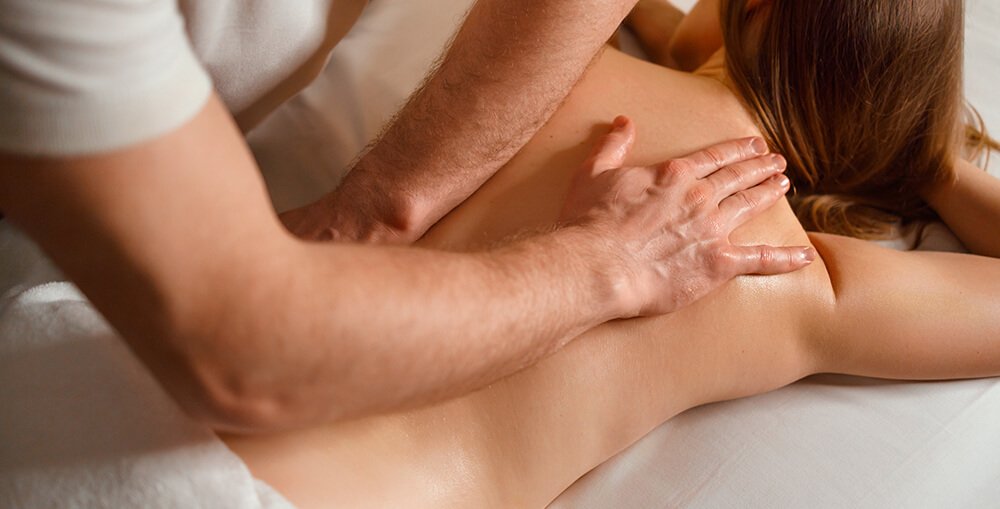
Read our article that talks more about the benefits of deep tissue massage and how it can relieve muscle pain and stiffness while promoting relaxation for both body and mind.
FAQs
Which is better for back pain: deep tissue or hot stone?
It depends on the type of back pain you're experiencing.
Deep tissue massage is often better for chronic tension, tight muscles, or pain caused by poor posture or overuse. It targets deeper muscle layers to release knots and improve mobility.
Hot stone massage, on the other hand, uses heat to relax the muscles and improve circulation, making it ideal for stress-related tension or general aches and soreness.
Still unsure? Ask your RMT who can recommend what’s best based on your symptoms and what your body needs that day.
Is a hot stone massage relaxing or therapeutic?
Both!
Hot stone massage is a deeply relaxing and therapeutic experience. The warmth from the stones helps muscles release more easily, allowing the therapist to address tension without applying intense pressure.
This makes it perfect for those who want relief from tightness but prefer a gentler, more soothing touch. Hot stone therapy also supports circulation, eases pain, and calms the nervous system—all while helping you fully unwind.
Can I combine both types of massage?
Yes—and it’s often the best of both worlds.
A combined session may begin with hot stones to warm up the muscles, followed by targeted deep tissue work in areas that need more focused pressure.
This approach offers both deep relief and deep relaxation in one treatment. Let your RMT know your goals and preferences; they’ll tailor the session to what your body needs most.
Final Thoughts
Both hot stone massage and deep tissue massage offer unique benefits in the world of therapeutic bodywork. Each technique has its strengths, catering to different needs and preferences.
Hot stone massage offers deep relaxation and gentle healing, making it an ideal choice for individuals seeking stress relief and overall wellness. Deep tissue massage, on the other hand, offers targeted treatment for chronic pain and specific muscular issues, appealing to those with more intense physical concerns.
Remembering that what works for one person may not work for another is crucial.
Your body's needs, personal comfort levels, and specific health conditions all play a role in determining which massage technique will be most beneficial for you.
Listen to your body, and don't hesitate to discuss your experiences and preferences with your massage therapist.
Trying both techniques can be valuable in discovering which resonates best with your body and wellness goals. Remember, the most effective massage leaves you feeling better than when you arrived.
Whether you prefer the warmth and relaxation of hot stones or the focused pressure of deep tissue work, the right choice contributes positively to your overall well-being. Ultimately, both hot stone and deep tissue massages have earned their places in the world of holistic health for good reasons.
They offer pathways to healing, relaxation, and improved quality of life. By understanding the unique benefits and considerations of each, you're empowered to make informed decisions about your body's care and wellness journey.
If you have any further doubts or questions regarding this subject or another treatment, contact one of our experienced Acupuncturists or Registered Massage Therapists here at West End Wellness Clinic. You can either give us a call or make an appointment.
Disclaimer: Please remember this article is for informational purposes only and should not replace professional medical advice. Please consult a healthcare provider or someone with the correct qualifications before starting any new exercise or treatment program.