
Therapeutic Massage and Mental Health: Is There a Connection?
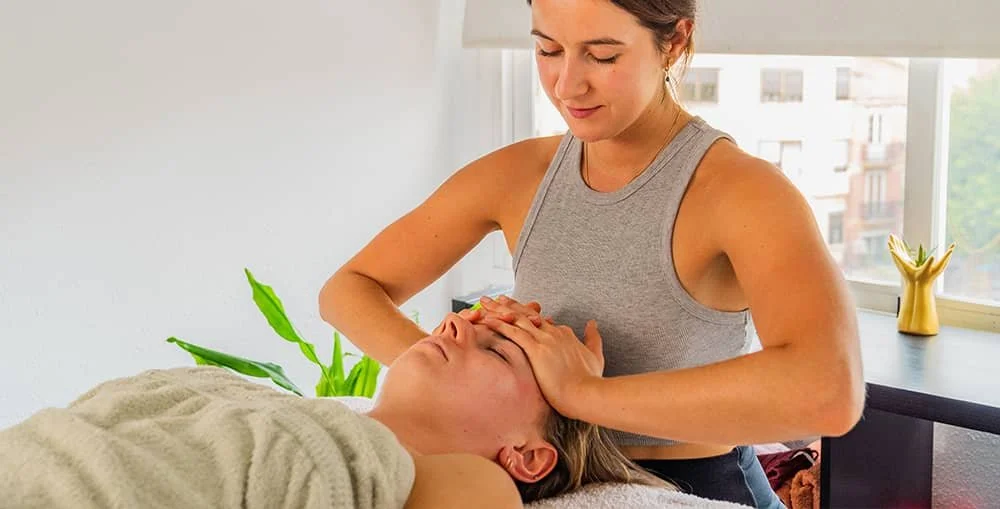
Table of Contents Show
Quick Summary
Curious if massage therapy can really support your mental health? This article explores the connection between stress, anxiety, and the body, and how therapeutic massage helps release tension, lower stress hormones, and bring you back into balance.
Whether you're dealing with overwhelm, sleepless nights, or just need a break, this is your chance to discover how massage can be a simple yet powerful step toward feeling better, both physically and emotionally. Start here for calm, clarity, and real self-care.
TL;DR – Therapeutic Massage and Mental Health
Massage therapy can support mental health, not just physical pain.
It helps lower stress hormones like cortisol and boost mood chemicals like serotonin.
Sessions promote deep relaxation, improved sleep, and reduced anxiety.
Massage is safe for people managing anxiety or depression.
A regular massage can be a simple, powerful step toward feeling better emotionally and physically.
Ever had one of those weeks where your brain just won’t turn off? You’re staring at your screen, trying to focus, but your shoulders feel like bricks, and even your deep breaths don’t go that deep anymore. It’s not just tiredness; it’s something more profound.
That’s how Jasmine felt. She’s a graphic designer living in downtown Vancouver, juggling deadlines, a packed inbox, and late-night overthinking. Sleep was patchy, stress was constant, and she’d forgotten what feeling relaxed even felt like. She didn’t think massage therapy was the answer until she gave it a try.
Many people think of massage as a luxury or something you do after pulling a muscle. But more and more, it’s becoming part of how we care for our mental health.
That’s because our bodies carry the load of what our minds go through. Anxiety, stress, even depression, they don’t just live in your head. They manifest as tension, fatigue, aches, and a general sense of being on edge.
So, is there really a connection between massage therapy and mental wellness?
Let’s break it down in a way that’s easy to understand, starting with what therapeutic massage actually is, and why it might be worth considering, especially if life’s been feeling like a bit too much lately.
What Is Therapeutic Massage and Who Is It For?
Therapeutic massage isn’t just about relaxation. It’s a type of massage that focuses on both physical and emotional well-being. The pressure can be gentle or deeper, depending on what your body needs, and the goal is to ease muscle tension, improve circulation, and support your nervous system.
Think of it as a reset button. It helps your body unwind and gives your mind space to breathe. This kind of massage is for more than just athletes or people with injuries. It’s for:
Anyone dealing with stress, burnout, or anxiety
People who struggle with sleep or carry tension in their neck, shoulders, or jaw
Folks who feel overwhelmed or mentally drained
Anyone who just wants to feel better and more balanced
You don’t need to have a diagnosed condition or a doctor’s note to benefit from it. If your body feels tired and your mind feels scattered, that’s reason enough.
In a city like Vancouver, where life moves quickly and people wear busyness like a badge of honour, making time for something like therapeutic massage can feel like a luxury. However, for many, it has become a regular part of their self-care routine because of how much lighter and calmer they feel afterward.
How Massage Therapy Supports Mental Health?
So, how exactly does massage help your mental well-being? It starts with something simple: calming your nervous system.
When you're stressed or anxious, your body goes into fight-or-flight mode. Your heart rate rises, your breathing gets shallow, and your muscles tighten up. Over time, this constant tension can leave you feeling exhausted, sore, and emotionally drained.
Massage therapy helps slow all that down. During a session, your body has a chance to shift into rest-and-digest mode. Your breathing deepens, your muscles soften, and your brain starts to quiet. It's one of the few times you're encouraged to fully let go without needing to do anything or be anywhere else.
Here’s what typically happens in a session:
You lie on a comfortable massage table, often with soft music and low lighting to help you relax
Your registered massage therapist (RMT) checks in with you about any stress, tension, or discomfort you're feeling
The therapist uses slow, steady pressure to release knots and encourage circulation
Your mind starts to follow your body’s lead, letting go of the constant noise and pressure
This experience isn’t just relaxing in the moment. Regular sessions can help train your body to respond differently to stress. Over time, you may notice that it’s easier to sleep, your shoulders stay softer during the day, and those small things that used to set you off don't hit as hard.
You might even walk out of your session thinking more clearly, breathing more deeply, and feeling like your body and mind are finally on the same team.

The Benefits of Massage Therapy for Mental Wellness
-
Massage therapy can reduce cortisol, the hormone your body pumps out when you're stressed. Less cortisol means less tension, fewer headaches, and a calmer state of mind.
-
Massage increases serotonin and dopamine, those brain chemicals that help lift your mood and ease anxiety. It’s a natural way to feel a little more balanced and a lot more human.
-
Tension in the body often leads to poor sleep. Massage relaxes your muscles and nervous system, helping you drift off more easily and stay asleep longer.
-
Gentle, steady touch helps bring you back into your body and out of that anxious loop. Many people report feeling more grounded and less “on edge” after their sessions.
-
We store emotions in our bodies. Sometimes, a massage can bring a surprising sense of relief, helping you release built-up frustration, sadness, or stress without needing to explain a thing.

Frequently Asked Questions
Is it safe if I have anxiety or depression?
Yes, massage therapy is considered safe for most people with anxiety or depression. In fact, many of our clients at West End Wellness use massage as part of their self-care routine. It can help lower stress hormones and support mood by boosting serotonin. Just let your RMT know how you're feeling so they can adjust the session to meet your needs.
How often should I go to notice a difference?
For general mental wellness, once a month can be enough to maintain a sense of balance. If you're dealing with high stress or anxiety, weekly or biweekly sessions might help more at first. Many of our clients notice a difference after just one visit. You can learn more about the benefits of regular care in our massage for stress relief blog.
Can massage therapy replace therapy or medication?
Massage therapy can be a great addition to your mental wellness plan, but it's not meant to replace mental health counselling or medication. If you're already working with a therapist or doctor, massage can complement that care. If you're curious about other holistic support, we also offer acupuncture for anxiety and stress.

Feeling stressed or mentally drained? Learn how therapeutic massage can calm your mind, ease anxiety, and help you feel more like yourself again.
Final Thoughts
Let’s face it. Life doesn’t always give us room to slow down. But the truth is, you don’t need to overhaul your entire routine to start feeling better. Even one small step, like booking a massage, can make a difference.
We’ve discussed how therapeutic massage can help reduce stress, alleviate anxiety, enhance sleep, and bring a sense of calm back into your day. It’s not a magic cure, but it is a powerful form of self-care that supports both your body and your mental health.
Take Jasmine, for example. That first massage wasn’t just about tight shoulders. It was the first time she gave herself permission to pause. It was quiet, it was grounding, and it helped her reconnect with herself in a way she hadn’t felt in months. That hour became her reset button.
If you're feeling the pull to do something kind for yourself, this might be your version of that moment. A massage isn’t selfish. It’s a simple, human way to say, "I matter too."
If you have any further doubts or questions regarding this subject or another treatment, contact one of our experienced Acupuncturists or Registered Massage Therapists here at West End Wellness Clinic. You can either give us a call or make an appointment.
Disclaimer: Please remember this article is for informational purposes only and should not replace professional medical advice. Please consult a healthcare provider or someone with the correct qualifications before starting any new exercise or treatment program.