
Massage Therapy vs Spa Massage: What's the Difference?

Table of Contents Show
Quick Summary
Not all massages are the same, and understanding the difference can help you choose the right care for your body. This article explains the key differences between Registered Massage Therapy (RMT) and a spa massage, including how training, treatment goals, and clinical techniques distinguish them.
You will learn why RMT treatments are often used for pain relief, injury recovery, and improving mobility, while spa massages focus more on relaxation and stress relief. If you are unsure which option best fits your needs, this guide helps you decide which type of massage will support your health and overall well-being.
TL;DR – Massage vs Spa Massage: What’s the Difference?
RMT massage focuses on injury recovery, pain relief, and mobility.
Spa massage prioritizes relaxation, comfort, and a pampering experience.
RMTs are regulated healthcare professionals with extensive clinical training.
RMT treatments are often covered by extended health insurance.
Choose RMT for treatment, spa massage for relaxation.
Ever find yourself daydreaming about a massage that truly helps your muscles and your mind, or lusting after a spa day that just feels like pure indulgence?
You’re not alone.
At West End Wellness, we know both worlds—and we love both worlds. On one side is deep, therapeutic massage designed to ease pain, support healing, and improve posture. On the other is spa-style pampering that's all about sinking into comfort, soft music, and total relaxation.
So, how do you choose? That’s exactly what this guide is here for. We’ll walk you through real-life scenarios—like the injured hiker needing real healing, or the busy creative craving sensory escape and use them to highlight what each experience gives you. Along the way, we'll break down key differences in goals, training, setting, how often you might go, and the cost.
By the end, you’ll know exactly what kind of massage moment is right for you today. Whether you want to fix what’s stiff or treat yourself to bliss, we’re here to guide you.
What Is Massage Therapy?
Massage therapy is a clinical, therapeutic treatment designed to relieve pain, restore mobility, and support overall physical health. In Canada, and particularly in British Columbia, massage therapy is typically provided by a Registered Massage Therapist (RMT) who has completed extensive medical training and holds a license.
Unlike spa massages that focus mainly on relaxation, massage therapy targets specific physical issues such as muscle tension, injuries, chronic pain, or limited mobility. During a massage therapy session, the therapist usually assesses your muscles, joints, posture, and movement before creating a treatment plan tailored to your needs.
Massage therapy may be recommended for conditions such as:
Chronic back or neck pain
Sports injuries
Headaches or migraines
Postural strain from desk work
Stress-related muscle tension
Recovery from physical activity or injury
Many treatment techniques can be used depending on the condition being treated. These may include deep tissue massage, myofascial release, trigger point therapy, and therapeutic stretching.
In places like Vancouver and throughout British Columbia, massage therapy is regulated healthcare. This means treatments performed by an RMT may be covered by extended health insurance plans, making massage therapy both a wellness and medical support option.
Ultimately, massage therapy is designed to address the root cause of discomfort and improve long-term physical health, rather than simply providing temporary relaxation.
What Is a Spa Massage?
A spa massage is primarily designed for relaxation, stress relief, and overall enjoyment rather than targeted medical treatment. These massages are typically offered in spas, wellness centers, or resorts that create a calming, luxurious environment.
Spa massages usually emphasize comfort and relaxation, often incorporating soothing music, aromatherapy oils, warm towels, and a tranquil atmosphere. The techniques used are generally gentler and less focused on addressing specific injuries or chronic conditions.
Common types of spa massages include:
Swedish relaxation massage
Aromatherapy massage
Hot stone massage
Relaxation full-body massage
While spa massage therapists are skilled in relaxation techniques, they typically do not perform medical assessments or create treatment plans for specific physical issues.
Another key difference between spa massage and massage therapy is insurance coverage. Because spa massages are considered a wellness or luxury service, they are usually not covered by extended health insurance plans.
Spa massages can be a wonderful way to:
Reduce stress
Relax tight muscles
Enjoy self-care time
Enhance overall well-being
However, if you are experiencing chronic pain, injury, or persistent muscle tension, massage therapy with a Registered Massage Therapist may be the more appropriate option.
| FEATURE | MASSAGE THERAPY | SPA MASSAGE |
|---|---|---|
| Goal | Pain relief & recovery | Relaxation |
| Practitioner | Registered Massage Therapist (RMT) | Spa therapist |
| Insurance | Often covered | Usually not |
| Assessment | Yes | Rare |
| Environment | Clinical | Spa setting |
Purpose & Intent
Sarah, an avid hiker, turned to therapeutic massages after a trail injury. Each session directly addresses her muscle soreness, promoting healing and relief. It's not just relaxation for her; it's a path to recovery.
On the flip side, David enjoys his routine spa days. After hectic work weeks, the spa becomes his sanctuary. The massages, facials, and body wraps are all about unwinding and escaping daily stresses. For him, it's pure indulgence.
Massage Therapy: Typically offered by registered therapists, the primary focus is on therapeutic outcomes. It addresses specific health concerns, muscle tensions, or injuries. Those new to this might benefit from our guide on preparing for your first massage.
Spa Treatments: More about holistic relaxation and pampering. While they do offer massages, they might also include facials, body wraps, and other beauty treatments. The intent is more about overall relaxation and indulgence.
Techniques & Training
Leo, the marathon enthusiast, consistently pushes his body to its limits. His goal? Peak performance. To achieve this, he requires a registered massage therapist trained in deep tissue techniques to target his muscle strains and aid recovery.
Clara, on the other hand, seeks relaxation. Her goal? Unwind and celebrate life's moments. She cherishes spa treatments, where professionals use gentle techniques for holistic relaxation, providing the break he desires.
Massage Therapy: Therapists often undergo rigorous training and certification. They're skilled in techniques that target specific muscle groups and issues. If you're looking for specialized treatments, consider reading how to choose the right massage therapist.
Spa Treatments: Spa professionals are trained, but their techniques might lean more towards general relaxation than therapeutic relief.
Environment & Ambience
Emma, a physical therapist, often deals with work-related stress and muscle tension. Her goal? A quiet, focused environment to address her physical needs. She prefers massage therapy clinics with a semi-clinical ambiance, allowing her to focus on her recovery without distractions.
Jake, a creative director, is always on the hunt for inspiration. His goal? A sensory escape. Spa treatments, with their luxurious settings, aromatic scents, and calming music, provide the perfect backdrop for him to relax and let his imagination roam.
Massage Therapy: The setting is often clinical or semi-clinical. Think of places like downtown massage therapy where the focus is on health and healing.
Spa Treatments: Luxurious and designed for relaxation. Spas offer an escape, often with serene music, dim lighting, and aromatic scents.
Duration & Frequency
Liam, a professional dancer, puts immense strain on his body daily. His goal? Regular maintenance. He opts for weekly massage therapy sessions, each lasting about an hour, to keep his muscles limber and ready for his rigorous routines.
Sophia, a travel blogger, is constantly on the move. Her goal? Occasional rejuvenation. She treats herself to spa days sporadically, immersing in longer sessions that allow her to disconnect and recharge before her next adventure.
Massage Therapy: Sessions can vary based on the treatment plan, often recommended at regular intervals for continued benefits.
Spa Treatments: More flexible. Some might indulge in spa treatments frequently, while others reserve them for special occasions.
Cost & Billing
Nina, a software developer, has a healthcare plan that covers treatments. Her goal? Maximum value. She's drawn to massage therapy clinics that offer direct billing, making her frequent sessions both beneficial for her posture and easy on her wallet.
Alex, an event planner, splurges only on special occasions. His goal? Celebratory indulgence. He saves up for those luxurious spa treatments, viewing them as treats where he doesn't mind spending a bit more for a full pampering experience.
Massage Therapy: Often more specific in pricing based on the treatment type. Many offer direct billing for RMT and acupuncture for those with healthcare benefits.
Spa Treatments: Packages or individual treatment costs. It might only offer direct billing sometimes, and prices can vary by the spa's luxury level.
Massage Therapy vs Spa Massage: Key Differences
While both massage therapy and spa massages involve hands-on bodywork, their purpose, training, and outcomes are quite different. Understanding these differences can help you choose the treatment that best matches your needs.
Massage therapy focuses on treatment and recovery, while spa massage focuses on relaxation and overall wellness. The table below highlights the main distinctions between the two.
| FEATURE | MASSAGE THERAPY | SPA MASSAGE |
|---|---|---|
| Primary Goal | Pain relief, rehabilitation, and physical health | Relaxation and stress relief |
| Practitioner | Registered Massage Therapist (RMT) with medical training | Spa massage therapist or relaxation specialist |
| Assessment | Often includes assessment of muscles, posture, and movement | Typically no clinical assessment |
| Techniques | Deep tissue, trigger point therapy, myofascial release, therapeutic techniques | Swedish relaxation massage, hot stone, aromatherapy |
| Treatment Plan | Personalized treatment plan for specific conditions | General relaxation-focused session |
| Insurance Coverage | Often covered by extended health insurance | Usually not covered |
| Environment | Clinical or healthcare setting | Spa or wellness environment |
Choosing the Right Type of Massage
Both types of massage offer benefits, but they serve different purposes.
You may want to consider massage therapy if you:
Have chronic pain or muscle tension
Are you recovering from an injury
Experience headaches, postural strain, or mobility issues
Want treatment that supports long-term physical health
A spa massage may be a better option if you:
Want to relax and unwind
Are you looking for a calming self-care experience
Prefer a luxurious spa environment
Do not have a specific physical issue that requires treatment
For people dealing with persistent pain, tension, or injuries, working with a Registered Massage Therapist can provide targeted treatment and long-term relief.
Massage Therapy vs Spa Massage in Vancouver
In Vancouver and throughout British Columbia, massage therapy is a regulated healthcare profession. Registered Massage Therapists (RMTs) must complete extensive education and licensing requirements before they can practice.
This means that when you visit an RMT in Vancouver, your treatment is focused on addressing specific physical concerns such as muscle pain, injuries, or mobility limitations.
Spa massages, while relaxing, are typically offered in wellness or spa environments and focus on general relaxation rather than therapeutic treatment.
If you are experiencing ongoing pain, tension, or injury, working with a Registered Massage Therapist in Vancouver can help address the root cause of discomfort and support long-term physical health.
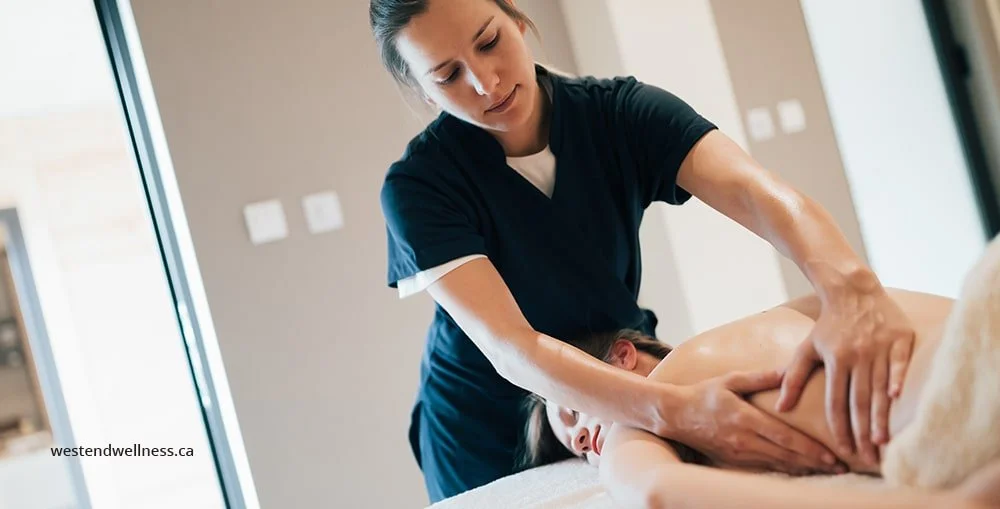
Discover how Registered Massage Therapists (RMTs) in Vancouver differ from bodywork and why it matters for your health needs. Learn about RMTs' rigorous training and their role as regulated healthcare professionals who work alongside doctors and physiotherapists.
Frequently Asked Questions About Massage Therapy vs Spa Massage
Is massage therapy the same as a spa massage?
No, massage therapy and spa massage serve different purposes. Massage therapy, performed by a Registered Massage Therapist (RMT), is designed to address pain, injury, or muscular dysfunction, and many people are surprised to learn about the broader medical benefits of massage therapy, including improvements in circulation, mobility, and recovery. Spa massages, on the other hand, are designed primarily for relaxation and stress relief and usually do not involve medical assessments or treatment plans.
Is massage therapy covered by insurance?
In many cases, massage therapy performed by a Registered Massage Therapist (RMT) is covered by extended health insurance plans in Canada. Coverage varies depending on your provider and benefits plan. Spa massages are typically considered a wellness or luxury service and are usually not eligible for insurance reimbursement.
What is the difference between an RMT and a spa massage therapist?
A Registered Massage Therapist (RMT) is a regulated healthcare professional who has completed extensive training in anatomy, physiology, and therapeutic techniques. RMTs can assess physical conditions and develop treatment plans to help manage pain or injury.
Spa massage therapists are trained in relaxation-focused techniques that help reduce stress and promote comfort but generally do not provide clinical assessments or therapeutic treatment for specific medical conditions.
When should I choose massage therapy instead of a spa massage?
Massage therapy may be the better choice if you are experiencing:
Chronic muscle pain
Sports injuries
Postural strain from work or daily activities
Limited mobility or stiffness
Headaches or tension-related discomfort
A Registered Massage Therapist can evaluate the issue and create a personalized treatment plan designed to improve your physical health over time.
Can massage therapy also be relaxing?
Yes. While massage therapy is focused on treatment and recovery, it can still be very relaxing. Many patients find that therapeutic massage helps reduce both physical tension and mental stress, providing benefits for overall well-being.
If you have any further doubts or questions regarding this subject or another treatment, contact one of our experienced Acupuncturists or Registered Massage Therapists here at West End Wellness Clinic. You can either give us a call or make an appointment.
Disclaimer: Please remember this article is for informational purposes only and should not replace professional medical advice. Please consult a healthcare provider or someone with the correct qualifications before starting any new exercise or treatment program.