What Is Tuina Massage? Traditional Chinese Therapy Explained
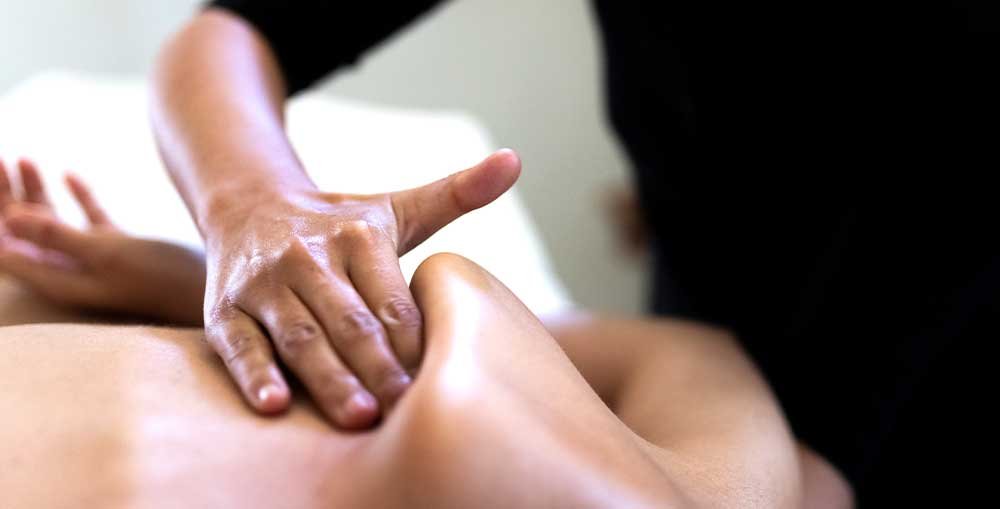
Table of Contents Show
Quick Summary
Ever heard of Tui Na massage but not quite sure what it is? This article introduces you to this traditional Chinese therapy that combines acupressure, stretching, and rhythmic movement to help ease pain, reduce tension, and restore energy flow. You’ll learn how it differs from Western massage styles and why it’s often used alongside acupuncture.
Whether you’re dealing with stiff joints, stress, or digestive issues, Tui Na offers a hands-on, therapeutic approach to help your body heal and rebalance naturally and effectively.
TL;DR – What Is Tui Na Massage?
Tui Na is a hands-on therapy rooted in Traditional Chinese Medicine (TCM).
It combines acupressure, stretching, and rhythmic massage to restore energy flow (Qi).
Commonly used for musculoskeletal pain, tension, and stress relief.
Tui Na treatments may feel more vigorous than Western massage but are deeply therapeutic.
A great option for those seeking a structured, holistic approach to healing.
Are you seeking a natural way to alleviate tension, soothe aches, and rejuvenate your body's vital energy flow?
Tuina massage may be just what you need! In this article, we'll explore the roots of Tuina, how it works, the various techniques involved, and the numerous health benefits you can enjoy.
Whether you're dealing with back pain, headaches, fatigue, arthritis, or anxiety, Tuina massage may help you find relief and restore balance.
Ready to learn more? Let's embark on a journey into the world of this ancient Chinese healing art!
Discover how Tuina massage could potentially transform your health and enhance your quality of life.
The Ancient Roots of Tuina Massage
Tuina massage has been practiced for thousands of years and claims the prestigious title of being the oldest system of bodywork. It's one of the four pillars of Traditional Chinese Medicine (TCM), alongside Acupuncture, Qi Gong, and herbal medicine. It's considered one of the main pillars of this ancient healing system.
Central to its philosophy is the concept of qi (vital energy), the body's vital life force or energy. Imbalances in this energy can trigger blockages and lead to symptoms like pain and illness.
Similar to acupuncture, Tuina homes in on specific acupoints, yet favours previse finger pressure over using needles. But it is commonly used together as it is seen to complement both methods for synergize their healing prowess.
The Science Behind Tuina Massage
In TCM, health is about more than just the physical body - it encompasses your emotions and environment, too. The aim is to help people achieve harmony within themselves and their surroundings. Tuina massage operates under the belief that genuine health blossoms when one achieves harmony within oneself and one's surroundings.
The ultimate goal is to synchronize the yin and yang energies within the body by dismantling obstructions that manifest as ailments and emotional distress. Again, very similar to acupuncture, Tuina targets the same meridians and acupoint that revitalize the flow of qui and blood.
Disrupted qi flow can result in blockages, leading to issues like poor blood circulation. Tuina massage aims to dismantle these energetic barriers causing qi stagnation, facilitating a state of harmonious well-being.
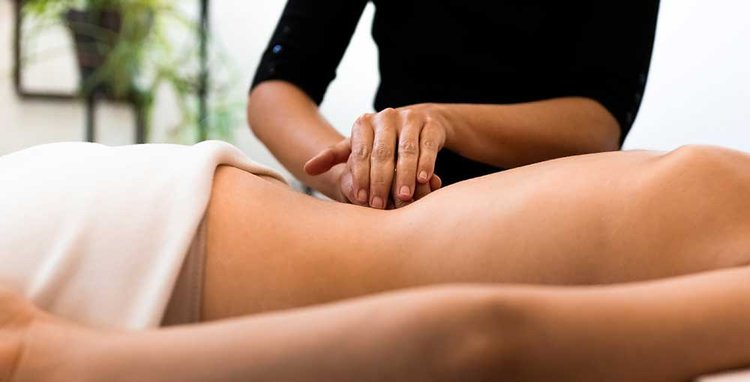
A versatile practice that ranges from a robust deep-tissue massage to a gentle, energetic therapy
What happens at Tuina Massage?
What happens in a Tuina Massage session is a combination of oscillating and pressure techniques that is tailored to a patient's unique needs. It is a versatile practice that ranges from a robust deep-tissue massage to a gentle, energetic therapy.
Depending on the technique, one may lean towards the Yin spectrum, which focuses on offering a more meditative and passive experience. There is also the Yan approach, a dynamic and physically engaging method that targets deep-seated blockages.
During a session, a skilled practitioner will knead muscles and tendons, employing manipulation techniques to realign your body. Passive joint movements are often used to restore muscle and joint function, ensuring a holistic healing experience.
The array of techniques at the disposal of a Tuina massage practitioner is impressive, encompassing eight fundamental methods:
| Technique | Description |
|---|---|
| Palpating (mo) | Gentle exploration of the tissue to assess and stimulate Qi flow |
| Rejoining (jie) | Mobilizing joints to restore alignment and function |
| Opposing (duan) | Correcting imbalances by applying opposite directional force |
| Lifting (ti) | Grasping and lifting muscle layers to reduce tension |
| Pressing (an) | Applying focused pressure to stimulate acupoints and relieve blockages |
| Kneading (mo) | Rhythmic circular movements to relax and warm soft tissue |
| Pushing (tui) | Using the palms or thumbs to push along the meridian lines |
| Holding (na) | Gripping or pinching techniques to stimulate nerves and muscles |
When you are in for your treatment, you will have your consultation to help pick the method that fits your needs. Some focus on massaging the tissues deeply. Others work more lightly to balance subtle energies.
What is Tuina Massage Used For?
Tuina massage is a versatile ally in pursuing health and wellness. Since this treatment falls under the umbrella of alternative treatments, it's best to consult with your doctor first if you have an ongoing medical condition. But Tuina is generally very safe and gentle.
But that being said, the therapeutic prowess of Tuina Massage is used for a diverse range of health concerns, including but not limited to:

After a treatment: Most people report tuina makes them feel relaxed and rejuvenated
The Awesome Benefits of Tuina Massage
Research shows that Tuina Massage can do a great deal of good for your health! Here are some of the top ways it can help:
-
Tuina improves blood circulation throughout your body by getting your qi flowing. Studies found it's really effective when focused on certain acupressure points. Better circulation = more oxygen and nutrients for your cells!
-
If you deal with chronic neck aches, tuina can offer some sweet relief without breaking the bank. Its massage techniques help unwind all those tight, stressed-out muscles.
-
Lower back pain got you down? Combine tuina massage with core exercises, and you can find some serious relief. The massage loosens up your muscles while the exercises strengthen your back.
-
Early research shows tuina massage could be helpful for folks struggling with depression. It provides a holistic way to heal both body and mind.
-
New mamas, listen up! Tuina techniques on your breasts can actually increase milk production. This ensures your bundle of joy gets all the nutrients it needs.
-
If arthritis is causing stiff, achy joints, tuina can help reduce pain and get you moving freely again. Studies found it improves mobility in people with knee osteoarthritis.
-
Carpal tunnel flare up? Tuina massage may offer some relief from the numbness and tingling.
-
Got an injury, strain, or chronic muscle problems? Tuina massage can help treat painful conditions involving your muscles, tendons or joints.
-
For people with diabetes, tuina combined with a foot soak works wonders for minor foot problems in the early stages. Gotta take good care of your feet!
-
When paired with acupuncture, tuina massage can really improve the quality of life for cancer patients. It helps ease pain, fatigue, nausea and more.
You may experience some mild soreness afterward as your energy levels start to return. But most people report tuina makes them feel relaxed and rejuvenated!
Is It Normal To Feel Pain After Tuina?
Tuina Massage boasts a commendable safety record and is generally well-tolerated. However, it's crucial to note that Tuina is not your typical soothing massage, and you may experience mild discomfort during or after a session. Minor bruising may occur as well.
This practice is not advisable for individuals with fractures, a history of fractures, vein inflammation, or open wounds. Suppose you have chronic back issues like ankylosing spondylitis. In that case, it's prudent to consult with your healthcare provider before seeking a Tuina massage.

Tuina, Acupuncture, and Shiatsu all work on the body's energy system but use different techniques
Comparing Tuina, Massage, Acupuncture, and Shiatsu
Tuina vs Massage
Tuina is a form of Chinese medical massage, whereas massage refers to general bodywork and the manipulation of muscles and soft tissues.
Tuina focuses on acupressure points and meridians influencing energy flow. In contrast, massage aims to relax the body and relieve muscle tension.
Tuina employs techniques such as pressing, kneading, and percussion. Massage may utilize Swedish massage strokes, deep tissue work, and trigger point therapy.
Tuina vs Acupuncture
Tuina uses massage techniques and finger pressure; acupuncture uses sterile needles inserted into acupoints.
Tuina is more physically vigorous, while acupuncture is relatively gentle.
Both work to stimulate acupoints and meridians, but acupuncture does so by penetrating the skin. Tuina works through surface-level manipulation.
Tuina vs Shiatsu
Tuina originates from Traditional Chinese Medicine, and Shiatsu comes from Traditional Japanese Medicine.
Tuina focuses more on joint manipulation and stretching. Shiatsu emphasizes gentle pressure using the thumbs, palms, and other areas.
Tuina uses massage oils and creams. Shiatsu typically does not use any oils or lotions.
Tuina features more dynamic and vibrant movements. Shiatsu has a more meditative feel.
The bottom line is that Tuina, Acupuncture, and Shiatsu all work on the body's energy system but use different techniques. Tuina combines massage, acupressure, and manipulative techniques to stimulate the flow of qi.
Conclusion
In conclusion, tuina massage is a therapeutic form of Chinese bodywork that works holistically to stimulate and harmonize the flow of qi in the body. It combines massage, acupressure, and manipulation techniques to open up the meridians, energize qi and blood, and address physical, mental, and emotional health.
Tuina offers a drug-free way to potentially alleviate pain, reduce inflammation, improve range of motion, prevent illness, and enhance overall well-being. By consulting with a certified tuina practitioner, you can see if this ancient healing art is right for your health needs.
Ready to experience the benefits of Tui Na firsthand? Book a Tui Na massage in Vancouver with one of our skilled practitioners today.
If you have any further doubts or questions regarding this subject or another treatment, contact one of our experienced Acupuncturists or Registered Massage Therapists here at West End Wellness Clinic. You can either give us a call or make an appointment.
Disclaimer: Please remember this article is for informational purposes only and should not replace professional medical advice. Please consult a healthcare provider or someone with the correct qualifications before starting any new exercise or treatment program.