
Which Is More Effective: Dry Needling or Acupuncture?
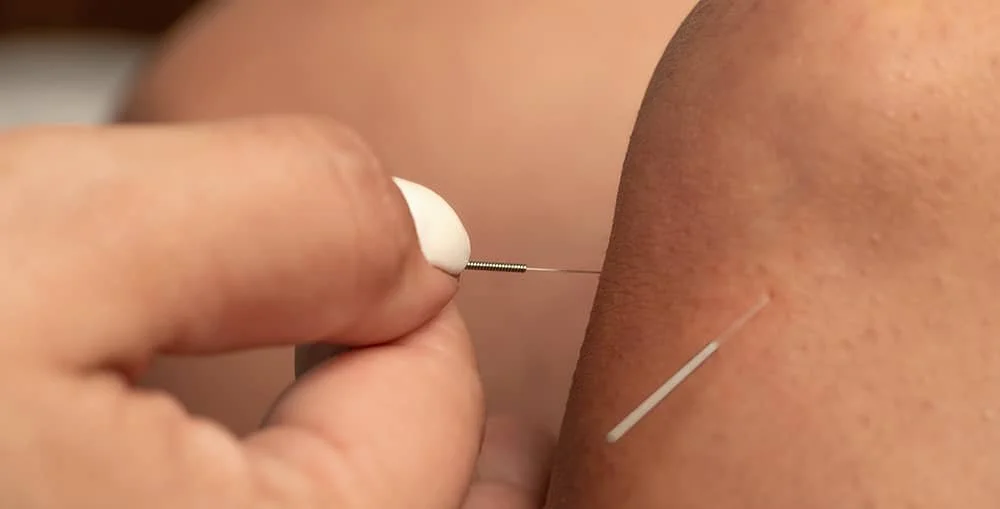
Table of Contents Show
Quick Summary
Not sure whether to choose acupuncture or dry needling for muscle pain? This article breaks down the key differences, from how each method works to what conditions they treat best. You’ll learn about the holistic roots of acupuncture and the targeted muscle-release focus of dry needling, including real client experiences, safety tips, and what to expect during a session.
Whether you're managing chronic pain, stress, or injury recovery, this guide helps you figure out which treatment might be the better fit for your body’s needs.
TL;DR – Dry Needling vs. Acupuncture: What You Should Know
Acupuncture focuses on restoring the balance of energy (Qi) and treats a wide range of conditions.
Dry needling targets muscle knots and tension, mainly for pain relief and physical rehab.
Both use fine needles, but their goals, techniques, and philosophies differ.
Acupuncture is rooted in Traditional Chinese Medicine; dry needling follows a Western medical approach.
The better option depends on your symptoms, goals, and how your body responds.
Shoulder pain that won’t quit?
Is chronic muscle tension holding you back?
Or perhaps you're an active Vancouverite seeking natural pain relief that actually works.
If any of that sounds familiar, you’ve probably come across needle-based treatments like acupuncture and dry needling. But figuring out the difference between the two can feel more complicated than it needs to be.
We get it; both involve needles, both claim to relieve pain, and trained professionals offer both. But they’re not the same, and knowing the key differences can help you choose the right treatment for your body and your goals.
This article aims to clarify matters.
We’ll break down what sets acupuncture and dry needling apart, how each one works, what conditions they help with, and why one might suit you better than the other.
Whether you’re curious, cautious, or ready to try something new, this guide is designed to help you choose the right approach for your recovery and long-term wellness.
Understanding Acupuncture: Ancient Wisdom Meets Modern Science
Acupuncture in downtown Vancouver has been helping people find relief from pain and various health concerns for over 3,000 years. This time-tested practice from Traditional Chinese Medicine works on the principle that energy (called "qi") flows through specific pathways in your body called meridians.
"When people come to me feeling stuck, whether it's chronic pain, sleep issues, or just feeling 'off,' acupuncture helps restore balance to their entire system," explains Ashlee, one of our experienced acupuncturists at West End Wellness. "It's not just about the physical symptoms; we're looking at the whole person."
Take James, a 36-year-old graphic designer who came to our West End acupuncture clinic feeling foggy and exhausted. After working with Ashlee to address his stress and sleep imbalance through acupuncture, he started waking up with more energy and clearer thinking. "It wasn't overnight, but now I actually want to get out of bed," he shared.
What Conditions Does Acupuncture Address?
Acupuncture Vancouver practitioners commonly treat:
Chronic pain and muscle tension
Stress and anxiety
Sleep disorders
Digestive issues
Headaches and migraines
Shoulder pain treatment
Recovery support for athletes
During an acupuncture session, your practitioner inserts hair-thin needles at specific points along meridian lines. These points might seem unrelated to your pain—for example, treating lower back pain might involve placing needles near your ears
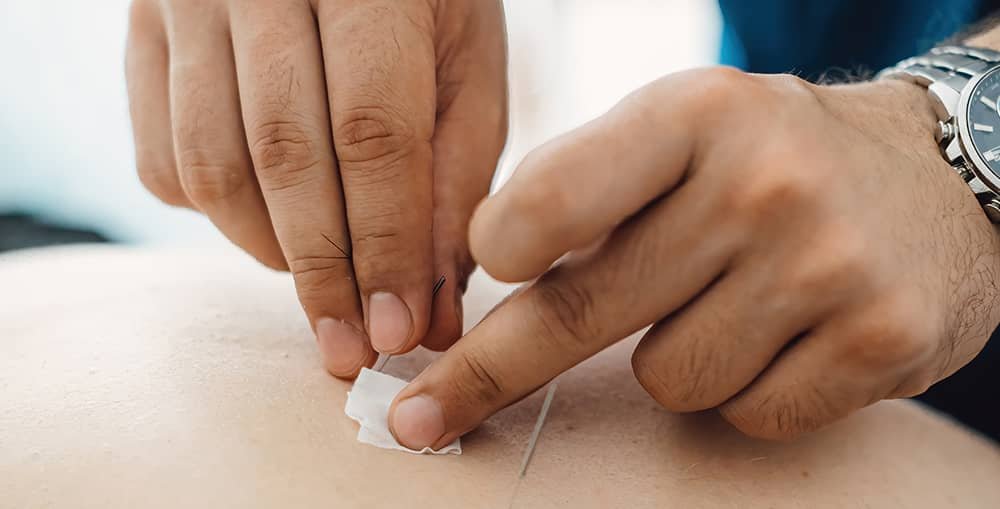
Dry Needling: Modern Medicine's Approach to Muscle Pain
Dry needling is a relatively new technique that has gained popularity over the past few decades, particularly in sports medicine and physical therapy. Unlike acupuncture, dry needling focuses specifically on trigger points, those tight, knotted areas in your muscles that can cause localized pain and restrict movement.
"Think of dry needling as a very precise tool for targeting specific muscle problems," explains Anny, another skilled acupuncturist at West End Wellness who also incorporates modern techniques in her practice. "When someone has a specific trigger point causing shoulder pain, we can insert the needle directly into that tight spot to help the muscle release and restore normal blood flow."
The term "dry" simply means no medication is injected; the needle itself provides the therapeutic effect. When the needle hits a trigger point, you might experience a quick muscle twitch, which practitioners consider a positive sign that the muscle is responding.
When Might Dry Needling Be Your Best Option?
Dry needling excels for:
Specific muscle knots and trigger points
Sports-related muscle tension
Localized pain in shoulders, neck, or back
Injury recovery massage enhancement
Acute muscle strains
Natural pain relief for athletes
Sessions are typically shorter than acupuncture, lasting 10-30 minutes, and dry needling is often combined with other therapies like registered massage therapy in Vancouver or physical exercises.
Acupuncture vs Dry Needling: Key Differences
| Category | Acupuncture | Dry Needling |
|---|---|---|
| Philosophy & Approach | Treats the whole person, balancing energy systems throughout the body | Targets specific muscular problems using anatomical knowledge |
| Needle Placement | Follows meridian maps developed over centuries | Goes directly into trigger points and tight muscle areas |
| Session Duration | Needles typically stay in place 15–30 minutes | Often shorter sessions with brief needle insertion |
| Practitioner Training | Requires extensive licensing and Traditional Chinese Medicine education | Training varies by region; often performed by physical therapists |
Real Results: What Clients Experience
Sarah's story perfectly illustrates the broader benefits of acupuncture. The 29-year-old Vancouver barista came to see Anny after years of sleep troubles. "Her mind raced at night, and she often woke up more exhausted than when she went to bed," Anny recalls. Through targeted acupuncture treatments that supported Sarah's nervous system, plus lifestyle guidance, Sarah began falling asleep faster and staying asleep longer. "It's like my brain finally found the off switch," Sarah told our team.
For more localized issues, the targeted approach of dry needling might be ideal. Athletes often find this technique particularly helpful for addressing specific areas of tightness that could lead to injury if left untreated.
Safety Considerations and What to Expect
Both treatments are generally safe when performed by qualified practitioners. Common, mild side effects include:
Slight soreness at needle sites
Minor bruising
Temporary increase in sensitivity (usually resolving within 24-48 hours)
"I always tell my clients that some mild soreness after treatment is normal," says Anny. "It's your body's way of responding to the healing process. Most people feel significantly better within a day or two."
Which Treatment is Right for You?
Understanding the difference between Acupuncture and Dry Needling
- Want a holistic approach to wellness
- Deal with multiple symptoms like pain, stress, or sleep issues
- Prefer to address root causes, not just symptoms
- Are open to Traditional Chinese Medicine philosophy
- Want longer-lasting, full-body effects
- Have specific muscle knots or trigger points
- Want focused relief for sports-related tension
- Prefer a Western, anatomy-based approach
- Are pairing treatment with physical therapy
- Need fast relief for localized tension
Frequently Asked Questions
Should I get dry needling or acupuncture?
That depends on your goals and what's going on in your body. Dry needling focuses on releasing tight knots in the muscles, often used for pain or injury recovery. Acupuncture, rooted in Traditional Chinese Medicine, works holistically to balance the body’s energy and support internal systems, such as digestion, stress management, and hormonal balance.
If you're unsure, talk with your practitioner. They can guide you toward the approach that fits your symptoms and overall health goals.
What is negative about dry needling?
While dry needling can be very effective, it's not without downsides. Some people may experience soreness, bruising, or fatigue afterward. Because it penetrates deeply into the muscle, treatment may be uncomfortable, especially if you're sensitive to pain or not accustomed to needling. It's also important to make sure your provider is properly trained, as dry needling requires a skilled and safe approach.
Who shouldn't get dry needling?
Dry needling isn’t recommended for everyone. You may want to avoid it if you:
Are pregnant (unless cleared by a professional)
Have a bleeding disorder or take blood thinners
Are you afraid of needles or have a low pain tolerance
Have certain nerve or skin conditions
Always consult with your healthcare provider or Acupuncturist to determine if dry needling is a suitable option for you.
Can you have dry needling and acupuncture at the same time?
Yes, in some cases, they can complement each other, but this depends on your specific needs and what your body can tolerate.
Some practitioners may blend techniques in a single session, using dry needling for targeted muscle release and acupuncture for full-body balance. If you're interested in combining both, speak with a practitioner trained in both methods to make sure it's done safely and effectively.

Understanding the differences between Japanese and Chinese acupuncture can help you make informed choices about your wellness journey.
Your Next Step Toward Natural Pain Relief
The choice between dry needling and acupuncture doesn't have to be permanent. Many people benefit from both approaches at different times, depending on their specific needs. Some of our clients even find that combining these treatments with other services, such as neuromuscular massage therapy or trigger point therapy in Vancouver, creates the most comprehensive healing approach.
At West End Wellness, our experienced team takes time to understand your unique situation before recommending any treatment. Whether you're seeking alternatives to injury recovery massage, natural pain relief for athletes, or want to address chronic tension that's affecting your quality of life, we're here to guide you toward the most effective solution.
Ready to explore how needle-based therapies might help you feel better? Contact our downtown Vancouver clinic to discuss your options with our skilled practitioners. Sometimes, the best way to understand the difference between these treatments is to experience them yourself and discover which approach resonates most with your body's healing needs.
If you have any further doubts or questions regarding this subject or another treatment, contact one of our experienced Acupuncturists or Registered Massage Therapists here at West End Wellness Clinic. You can either give us a call or make an appointment.
Disclaimer: Please remember this article is for informational purposes only and should not replace professional medical advice. Please consult a healthcare provider or someone with the correct qualifications before starting any new exercise or treatment program.