
Why A Warm Up Before Exercise Is Important?

Table of Contents Show
Quick Summary
Most injuries don’t happen because someone pushed too hard. They happen because the body wasn’t ready yet. This article explains why warming up matters, especially if you’re exercising after sitting all day, feeling stiff, or returning to movement after a break.
You’ll learn how a proper warm-up helps protect your joints, improve muscle response, and reduce the risk of strains and pulls before they happen. It also breaks down what a good warm-up actually looks like, without overcomplicating it. If you want your workouts to feel better, last longer, and support your body instead of fighting it, this is an important place to start.
TL;DR - Why a Warm-Up Before Exercise Is Important?
Warming up helps reduce injury risk, especially strains and pulls
It prepares muscles, joints, and the nervous system for movement
A good warm-up improves strength, coordination, and performance
It’s especially important if you sit a lot or feel stiff before exercise
Even a short, intentional warm-up can make workouts feel better and safer
Whether you love it or hate it, exercising is an activity we should all be doing, and if we are all honest with ourselves, a warm-up can easily forget about warm-up before an exercise.
Physical activity helps to improve us mentally and physically, which comes with a range of benefits; below are some of the best benefits of including a form of exercise in your lifestyle:
Improve your mood
It prevents heart disease and other chronic illnesses
Help you lose weight
Reduce stress levels
Help with cognitive decline
It could help you sleep better
A natural energy boost
So now you're sold on the benefits that exercising can bring, we turn to the next big question: “Why is a warm-up before exercise important?”
No matter if you are young or getting on in life, doing a warm-up is key to not only enjoying your activity to the fullest but, more importantly, it prevents you from having to see a massage therapist due to pulling a muscle. Warming up and stretching before you get out to your choice of activity is going to be necessary. A warm-up session takes only a few minutes, and stretching can help you transition smoothly into exercise.
It cannot be overstated that you shouldn't skip warm-up sessions and should not jump straight into a workout. A warm-up will not only help you perform better but will also prevent the risk of muscle, bone, and other injuries that can lead to you not being able to stay active or, even worst, stopping you from your other day-to-day activities.
Warm-ups reduce muscle strain and provide many health benefits. Below, we discuss some of the benefits of warm-up activities before an exercise session.

The Benefits Of A Warm-Up Session Before Exercise
The advantages of a warm-up session before an exercise are that it brings both physical and mental benefits that can help you not only within your physical activities but also in other parts of your life.
Firstly, it can be beneficial in preventing health issues, while also there are also hormonal changes which as a result will release certain chemicals that help regulate energy metabolism which the muscle will end up using. So, even if you go out for a brisk walk around Stanley Park or hit the cardio machines, you should be preparing your body by warming up and doing dynamic stretching, which we go into later on – but now you ask, what are the benefits of a warm-up? Below are some of the essential metabolic changes that occur to the human body following a warm-up session.
-
A good warm-up session prepares the body, including the lungs and hearts (apart from the muscles), so that they can move into the strenuous exercise phase quickly. Therefore, a warm-up session will end up improving endurance, meaning more miles or reps!
-
A warm-up session will increase the dilation of the blood vessels. It will reduce this stress on the arteries and the heart.
-
As mentioned, the human body will produce more epinephrine and cortisol, among other hormones, during a warm-up. It will also ensure that more fatty acids and carbohydrates are available and are utilized effectively by the body as an energy resource. Exercises are beneficial for regulating the energy production mechanism of the body.
-
When the muscles are adequately warm due to a warm-up session, they can relax and contract quickly. A warm-up session will reduce the occurrences of injury, as the muscles will not be over-stressed. A warm-up session will also improve the elasticity of muscles due to an increase in body temperature. It can improve your strength, stamina, and speed during your exercise session.
-
A warm-up session ensures that the larger joints of the body (including those found at the knees and the shoulders) can move freely and the farthest possible.
Start With A Dynamic Warm-Up and finish With Static Stretching.
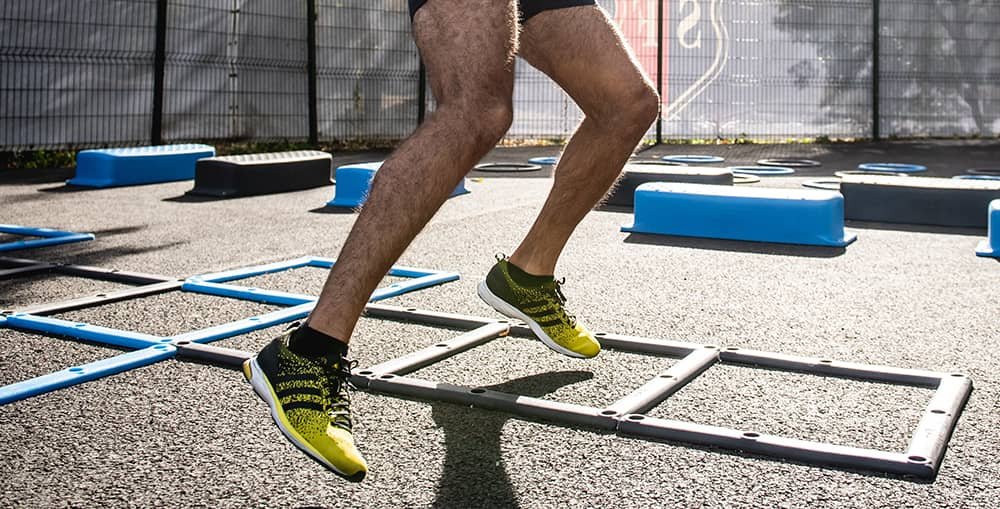
You may or may not have heard these words, but they are two of the most common and valuable forms of stretching. Dynamic warm-ups are usually done at the beginning of a workout to help get your muscles ready for the activity you are about to do.
With Dynamic warm-ups, you may also see that it can improve your physical strength, mobility, and coordination, which are bonuses as they will help enhance your performance.
A static stretch will be something you will do at the end of an activity. These stretches will involve you holding a position for a while to help loosen and stretch muscles and connective tissue. One thing to remember with static stretching is to try to avoid doing it when your muscles are cold, as it may cause an injury, which no one wants to see.
Personalize Your Activities For The Particular Main Workout
Your workout session should follow your main exercise session. For instance, you can walk at a slow pace for a few minutes if you want to prepare yourself for a faster and brisk walk. You can jog for a few minutes if your main workout is running. A warm-up involves increasing the intensity of metabolic activity from the lowest, or resting, level to higher levels.
A warm-up session for activities such as Pilates or yoga (which do not involve enough aerobic activity) only requires small movements, such as neck rolls or pelvic tilts, to loosen your spine and other joints. For weightlifting and strength-training workouts, you must perform specific mobility exercises (including shoulder rolls) to prevent muscle injury later.
Don't Lose Focus On Why You Exercise.
Many psychological and medical researchers point out that visualizing how one performs and succeeds on a court or a field can improve performance dramatically. It is also termed "mental imagery." Ordinary people (those who are not athletically gifted) can also use mental imagery to enter the zone through imagination.
Just close your eyes for a few minutes and draw in a deep breath. Proceed with your warm-up session, then gradually switch to the main workout session. Also, do not forget to give your body time to cool down.
Final Thoughts & Tip For Your Warm-Up Session
Hopefully, you will now have a better understanding of why it is essential to warm up before an activity. It is not a good idea to skip warm-up sessions, as you know; they may land you in trouble someday and cause injury if you do not do them before your main exercise session and activities. Your body requires some low-level activity to support proper hormonal changes, muscle movement, and warmth before you can launch into a full-scale, strenuous exercise session.
“A practical warm-up will support and prepare your muscles for the physical activity needs, decrease your risk of injury, improve your endurance, and heighten the effects of the workout.”
Finally, remember that there are different kinds of exercises (varying in length and intensity) that may require different warm-up sessions. But plan to do a warm-up session lasting between 5 and 10 minutes. More intense exercises may require longer warm-up sessions. Below are some of the best tips for carrying out your warm-up exercises and sessions.
If you have any further doubts or questions regarding this subject or another treatment, contact one of our experienced Acupuncturists or Registered Massage Therapists here at West End Wellness Clinic. You can either give us a call or make an appointment.
Disclaimer: Please remember this article is for informational purposes only and should not replace professional medical advice. Please consult a healthcare provider or someone with the correct qualifications before starting any new exercise or treatment program.