

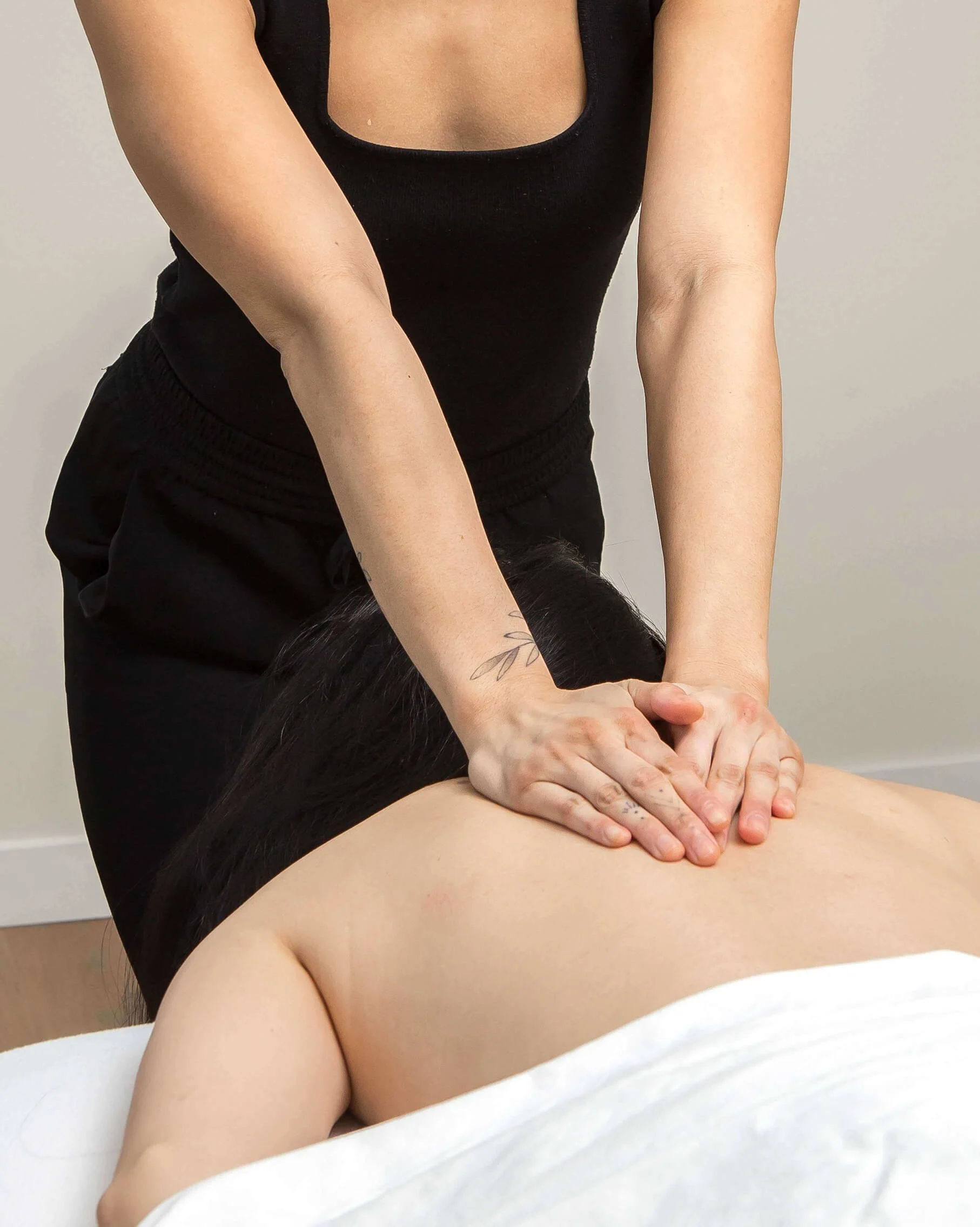

Myofascial Release Therapy in Vancouver, Restore Mobility
At West End Wellness, our Myofascial Release Therapy in Vancouver offers a powerful solution for those suffering from chronic pain, tension, or limited mobility. Our skilled therapists use specialized techniques to release tight fascia, enhancing movement and reducing discomfort.
Whether dealing with persistent pain or seeking to prevent future issues, our personalized approach ensures effective results. Experience the benefits of targeted therapy designed to improve your quality of life.
Don’t let pain hold you back—book your session today and start your journey to better health and wellness.
Relieve Chronic Pain with Myofascial Release Therapy in Vancouver
Myofascial Release Therapy is a specialized treatment for chronic pain, muscle tension, and mobility. Unlike standard massages, this therapy targets the fascial layers—the connective tissues that can become tight and restrictive, leading to discomfort and limited movement.
Whether you’re dealing with ongoing pain, postural issues, or recovering from an injury, Myofascial Release Therapy can help. Our experienced therapists use precise techniques to gently release tight fascia, allowing for better movement and reduced pain.
This treatment is perfect for those seeking long-term relief from conditions that traditional massages may not address. Experience how Myofascial Release Therapy can transform your daily life.
What to Expect During a Myofascial Release Treatment
-
It's common to experience a temporary increase in pain in the treated area or other parts of your body for a day or two after the treatment. This discomfort is often followed by significant improvement.
-
While rare, some individuals may feel lightheaded or nauseous. If this happens, take a moment to rest, sip water, and avoid rushing into activities.
-
Myofascial Release can sometimes trigger emotional feelings. This is a normal part of the healing process and should be explored further.
-
Tight restrictions in tissues can release long-trapped metabolic waste products into the surrounding tissue and bloodstream. These waste products can be irritating to pain-sensitive structures, so it's crucial to stay hydrated and engage in mild cardiovascular activities during your treatment course.
Treating Fascial Restrictions
Our registered massage therapists at West End Wellness are well-versed in the fascial system. They employ techniques that facilitate the release of fascial restrictions, even in areas seemingly distant from the primary concern.
One crucial aspect of fascial release is the duration of the technique. Gentle stretches must be held for at least 90 seconds to allow the tissue to release fully.
The effects of Myofascial Release may not be immediately apparent, but later, you'll experience profound relief from chronic or acute issues.
Number of Treatments Needed
The number of treatments required varies based on the nature and duration of the problem.
Acute cases may resolve within a few sessions, while chronic conditions that have developed over the years may need several months of treatment, with multiple sessions per week.
We recommend committing to daily home exercises as our therapists prescribe to expedite recovery.
What are the common areas for myofascial pain?
Myofascial Release Therapy is a versatile and effective treatment that can provide relief for a wide range of conditions.
Here are some of the conditions and symptoms that can be effectively managed and treated through Myofascial Release:
-
Chronic Back and Neck Pain: Alleviating pain and improving mobility in individuals with long-term back and neck issues.
Joint Disorders: Treatment for conditions like arthritis, providing relief from stiffness and pain.
Postural Imbalances: Addressing issues related to poor posture, including scoliosis and other spinal misalignments.
Sports Injuries: Accelerating recovery from sprains, strains, and muscle tears commonly experienced by athletes.
-
Headaches and Migraines: Providing relief from the intensity and frequency of headaches, including tension and migraine headaches.
Circulatory Problems: Enhancing blood flow and reducing symptoms of circulatory disorders.
-
Breathing Difficulties: Assisting in the management of conditions like asthma and chronic bronchitis.
Digestive Disorders: Alleviating symptoms related to gastrointestinal issues, such as IBS (Irritable Bowel Syndrome).
-
Fibromyalgia: Reducing the widespread pain and fatigue associated with fibromyalgia.
Chronic Fatigue Syndrome: Aiding in managing the symptoms and improving energy levels.
Lymphedema: Assisting in reducing swelling and improving lymphatic flow.
-
Stress and Anxiety: Promoting relaxation and easing the physical manifestations of stress and anxiety.
Sleep Disorders: Contributing to better sleep quality by reducing pain and tension.
-
Scar Tissue Management: Helping to break down scar tissue, improving flexibility and reducing discomfort.
Women's Health Issues: Addressing conditions like menstrual pain, endometriosis, and pregnancy-related discomfort.
-
TMJ Disorders: Treating jaw pain and dysfunction related to temporomandibular joint disorders.
Carpal Tunnel Syndrome: Relieves wrist and hand pain associated with repetitive strain injuries.
What is Fascia?
Fascia, also known as connective tissue, is like a continuous webbing that spans from the top of your head to the tips of your toes. It surrounds and interconnects every part of your body, including muscles, bones, nerves, and blood vessels.
Because fascia is interconnected, any restrictions or hardening in one area can ripple, putting immense tension on adjacent structures, even in distant parts of the body. This can lead to seemingly unrelated pain and discomfort.
For example, chronic lower back pain can be connected to neck tightness due to the fascia's gradual tightening. To truly address lower back pain, it's essential to release the fascia in both the head and neck, as they are interlinked.
Fascia, often overlooked, is one of the most critical components of your body's structural framework. Imagine it as an intricate, three-dimensional network of connective tissue that extends throughout your entire body, forming a continuous matrix from head to toe.
This fibrous tissue envelops every muscle, bone, nerve, artery, vein, and all of our internal organs, including the heart, lungs, brain, and spinal cord.
The Multifaceted Functions of Fascia:
Support and Stability: The fascia provides structural support, maintaining the shape and stability of the body. It acts as scaffolding, offering essential support to muscles and internal organs, ensuring they remain in their proper positions.
Movement and Flexibility: The fascia plays a vital role in enabling smooth, coordinated movements. By connecting muscles with other body parts, the fascia contributes to the seamless transmission of mechanical forces and facilitates fluid movement.
Pain Management: Fascia is highly sensitive and rich in nerve endings. When it's healthy, it glides smoothly over muscles and bones, but when it's tight or restricted, it can contribute to pain, discomfort, and limited mobility. Understanding this connection is crucial in addressing various pain syndromes and mobility issues.
Circulatory and Neurological Functions: The fascial network is intertwined with your circulatory and nervous systems. Healthy fascia ensures unrestricted blood flow, aiding in the efficient transport of oxygen and nutrients to cells, and assists in properly functioning the nervous system.
Importance in Overall Health and Well-being:
Injury and Healing: Fascia can become scarred and stiff after injury or surgery, leading to restricted movement and increased pain. Properly addressing fascial health is essential for effective rehabilitation and recovery.
Posture and Alignment: Fascia plays a vital role in maintaining posture and alignment. Poor posture can lead to fascial distortions, contributing to discomfort and imbalances throughout the body.
Stress and Emotional Well-being: The fascial system is also connected to our emotional health. Stress and trauma can cause fascial tightening, which might manifest as physical discomfort. Addressing fascial health can, therefore, positively impact both physical and emotional well-being.
Frequently Asked Questions
Is Myofascial Release Therapy painful?
Myofascial Release is generally not painful. Some discomfort may occur as tight areas are worked on, but the pressure is adjusted to your comfort level.
Is Myofascial pain the same as fibromyalgia?
No, myofascial pain and fibromyalgia are not the same, though they share similarities. Myofascial pain is typically localized to specific areas where trigger points cause pain and discomfort. In contrast, fibromyalgia involves widespread pain throughout the body, often accompanied by fatigue, sleep disturbances, and other symptoms. Myofascial pain is usually due to muscle overuse or injury, while fibromyalgia is believed to be a more complex condition affecting how the brain processes pain signals.
Can I benefit from Myofascial Release?
Myofascial Release can benefit individuals with various musculoskeletal issues, including chronic pain, scar tissue, and tension. It's suitable for people of all ages and in all physical conditions.
Maximize Your RMT Benefits:
Hassle-Free Direct Billing at West End Wellness
Experience hassle-free healthcare with our direct billing service. We handle insurance claims so you can focus on your wellness journey without financial stress. Enjoy your treatments at West End Wellness worry-free.
Click below to see if your insurance is included, and book your appointment today!
Registered Massage Therapy FAQs
-
Our highly trained Registered Massage Therapists come with vast experience and techniques to help achieve different results.
When you arrive for your appointment, your massage therapist will want to asses you, which will include any preference you may need.
Our massage therapists are constantly communicating with you throughout your treatment to ensure you are comfortable and applying the correct pressure, giving you the best experience suited for you. -
Massage Therapy while Pregnant is a safe way to treat those aches and discomforts during pregnancy.
Please let your registered massage therapist know before your appointment. This will allow them to accommodate your needs and make your experience as comfortable as possible.
The practitioners' techniques help relax and relieve those tight, tense muscles. -
Massage shouldn't be painful! You might feel some temporary soreness afterward, which is a sign that tight muscles are loosening up. Some areas may feel a bit sensitive during the massage, especially if you have pain.
Our therapists are trained to use gentle pressure and will always check in with you about your comfort level. If anything feels uncomfortable, just let them know, and they'll adjust their pressure. Our goal is for you to leave feeling relaxed and rejuvenated! -
Your comfort is our priority! You can undress to whatever level feels best for you. Many people choose to wear underwear or a sports bra and shorts.
We'll provide towels and blankets to keep you draped throughout the massage. Therapists will always leave the room while you get comfortable and return when you're ready.
We also offer certain massages where you can stay clothed - talk to us when you book to find the best option for you! -
Not at all! Massage is great for relaxation and stress relief, even if you don't have aches. It can also help improve flexibility and circulation. We have different massage styles, so let us know what you're looking for, and we'll find the perfect one for you!
-
Many people drift off during massages! It's a sign you're truly relaxed.
No worries about snoring or a little drool (especially if you're on your stomach). We'll have tissues handy, and feel free to ask for anything you need! -
Absolutely! Communication is key to a great massage experience.
Your therapist will likely ask how the pressure feels throughout your session but don't hesitate to speak up at any time. If you'd like things lighter or deeper, just let them know! We want your massage to be relaxing and effective, so don't worry about feeling uncomfortable.
Let us be your partner in health and well-being.
Take the first step on your journey to optimal health and wellness. We are here to help you achieve your health goals, reduce pain, and improve your quality of life.
For any questions, or concerns, or to schedule an appointment, feel free to contact us at: