
Reflexology: The Hidden Key to Whole-Body Wellness

Table of Contents Show
Quick Summary
Reflexology is a gentle therapy that works through pressure points in the feet to support balance throughout the body. This article explores the benefits of reflexology in Vancouver, explaining how targeted foot pressure may help improve circulation, relaxation, and stress relief while supporting the body’s natural healing processes.
You will learn how reflexology connects different areas of the feet to organs and systems in the body, and why many people use it as part of a holistic wellness routine. If you are looking for a calming therapy that supports both body and mind, this guide explains how reflexology may help you feel more balanced and restored.
TL;DR – Benefits of Reflexology in Vancouver
Reflexology applies pressure to foot points linked to organs.
Promotes deep relaxation and reduces stress or anxiety.
May relieve headaches and support nervous system balance.
Improves circulation, oxygen delivery, and overall wellbeing.
Can support immunity, digestion, and hormone balance.
What Is Reflexology?
Reflexology is a special kind of massage wherein a specified amount of pressure is applied to prescribed reflex points of various body parts such as hands, feet, or ears. This treatment is based on a conception that these areas of reflex points, especially the ones that are on the foot, are associated with certain other body structures and is well known for evoking a self-healing response and also for accelerating the functionality of the nervous system. Reflexology therapy treatments have become a popular treatment for patients.
How Does Reflexology Vary From A Usual Foot Massage?
At first glance, reflexology and a traditional foot massage can look similar. Both involve hands-on work on the feet. The difference lies in the intention and technique.
A regular foot massage focuses on relaxing the muscles, easing tension, and improving circulation within the feet and lower legs. It’s primarily about comfort and local relief.
Reflexology, on the other hand, follows a structured map of reflex points on the feet that correspond to different organs and systems in the body. Instead of working broadly through the tissue, the practitioner applies targeted pressure to specific areas with the goal of influencing how the body responds as a whole.
Some people describe reflexology as deeply relaxing. Others notice shifts in stress levels or digestion. While research is still evolving, reflexology is often chosen by those looking for a more focused, pressure-point–based approach rather than a general foot massage.
If you’re unsure which is right for you, the best option often depends on whether you’re looking for local muscle relief or a more system-focused experience.
How Does Reflexology Work?
While the exact mechanisms behind reflexology are still being studied, a growing body of clinical research suggests it may have positive effects on stress, anxiety, and well-being. Several randomized controlled trials and meta-analyses have reported reductions in anxiety, improvements in sleep quality, and decreases in depressive symptoms following foot reflexology interventions.
Some studies have even measured reductions in cortisol levels following reflexology sessions, suggesting potential effects on the body’s stress response. It is also worth acknowledging that not all research shows conclusive benefits, and systematic reviews point to mixed evidence overall, which is typical for complementary therapies with diverse methodologies.
Traditional Chinese Medicine Perspective
In Traditional Chinese Medicine, reflexology is connected to the concept of qi, often described as vital energy that moves throughout the body. The goal is to support balance within this system. When qi is flowing smoothly, the body is believed to function more harmoniously. When it is blocked or disrupted, symptoms may appear.
From this perspective, applying pressure to specific reflex points on the feet helps encourage balance within the body’s internal systems.
Modern Interpretations
Contemporary explanations focus less on energy flow and more on the nervous system.
Some theories suggest that targeted pressure stimulates sensory nerves in the feet, which send signals through the spinal cord and brain. This may influence how the body regulates stress, tension, and pain perception.
Other approaches reference the Zone Theory, which proposes that the body can be divided into longitudinal zones, with each zone corresponding to specific organs. Reflex points in the feet are thought to relate to these zones.
While scientific research on reflexology is still developing, many people report feeling deeply relaxed after sessions. Studies suggest that reflexology may help reduce stress and anxiety in some individuals, likely through its calming effects on the nervous system rather than structural changes.

What Are The Benefits Of Reflexology?
Reflexology is considered to have innumerable advantages to one's health, though only a limited number of them have been scientifically proven. There is the following, which has limited evidence that it may help:
Reduce Stress and Anxiety
Reduce Pain
Lift Your Mood
Improve General Well-Being
There is also the following that has been reported to have helped patients:
Boost Immune System
Recover From Colds
Clear Sinus Issues
Recover From Back Problems
Correct Hormonal Balance
Boost Fertility
Improve Digestion
Ease Arthritis Pain
The 7 Best Health Benefits Of Reflexology
Here we are going to list down the 7 best health benefits of Reflexology that can help you in healing if you are facing any similar health issues:
1. Relaxation
Reflexology is well known for inducing a calming, relaxing effect throughout the mind and body while relieving stress and anxiety. It is also said to have a potential cure for insomnia and other sleep disorders in order to bring the body to a healthy state of relaxation.
Some studies, including meta-analyses, suggest reflexology may help lower anxiety and improve sleep quality, which aligns with many clients’ experiences of deep relaxation after a session.
2. May Help Reduce Headaches
Headaches are often linked to stress, muscle tension, and nervous system overload. While reflexology does not treat every cause of headache, some research suggests it may help reduce frequency or intensity, particularly when stress is involved.
Reflexology works by applying targeted pressure to specific points on the feet, which may stimulate sensory nerves and help shift the body into a more relaxed state. When the nervous system settles, muscle tension can ease, and circulation may improve. For people experiencing tension-type or stress-related headaches, that calming effect can make a difference.
A study published in Pain Research and Treatment found that reflexology was associated with reductions in headache intensity and frequency in participants compared to controls.
Reflexology is best viewed as supportive care, especially when headaches are linked to stress rather than structural or neurological conditions.
3. Stimulates Circulation of Blood and Oxygen
The most incredible and verified benefit of Reflexology is the stimulation of blood circulation throughout the body's systems. It enables not just blood circulation but also the efficient transport of oxygen to all organs of the body, and it enhances metabolism. A few controlled studies have shown that reflexology may be associated with reductions in cortisol, the body’s primary stress hormone, after treatment.
The higher metabolism and functioning of organ systems would also increase the body's energy production. Thus, Reflexology can be quite beneficial when you are feeling lethargic and need a boost in your energy levels.
The proper cycling of oxygen and other essential elements will also help with the speedy recovery or healing of any injury, as it enables the regrowth of damaged cells at a faster rate.
Furthermore, improved blood circulation through reflexology therapy will help improve bladder function and reduce the risk of urinary tract health complications in the near future.

4. Accelerates Nerve Functions
Another proven benefit of Reflexology is the acceleration of the central nervous system's functioning. There is clear evidence of a positive impact on autonomic nervous system function, as reflexology therapy improves nerve cell and tissue function throughout the body by facilitating the clearance of neural pathways.
This eventually results in the effective flow of information from various organs to the brain, and thus a faster processing rate to enable a quick response. Reflexology also offers an additional benefit: a boost in memory power. In existing research, reflexology has been associated with reductions in stress, anxiety, and fatigue, and with improvements in quality of life, although more high-quality trials are needed to confirm these effects.
5. Aids in Cancer Treatment
Although there is no direct evidence yet of a connection between Reflexology and cancer cells, Reflexology has been shown to help cancer patients, and It is known for relieving the side effects of chemotherapy and other cancer treatments.
It even substantially improves their hampered quality of life, including reduced pain and anxiety to enable better sleep, decreased fatigue, and breathing problems by enhancing blood and oxygen circulation.
6. Relief in the Menstruation and PMS Symptoms
Many people experience cramping, lower back discomfort, bloating, headaches, and mood changes before or during their menstrual cycle. While reflexology does not replace medical care, some research suggests it may help reduce the severity of certain PMS symptoms.
Reflexology is thought to support nervous system regulation and circulation, which may help the body manage discomfort more effectively. By encouraging relaxation and reducing stress signals, reflexology may ease muscular tension and support hormonal balance indirectly through stress reduction.
A randomized controlled trial published in the Journal of Obstetrics and Gynaecology Research found that women receiving reflexology reported significant reductions in PMS symptoms compared to a control group.
As with many complementary therapies, reflexology is best considered part of a broader approach to menstrual health rather than a standalone treatment.
7. Pregnancy Support
At West End Wellness, Reflexology is often used by women during and after their pregnancies to lessen the impacts on the body systems and also to recover from postpartum depression.
These were some of the best health benefits of Reflexology, mainly the foot reflexology and the proven, long-lasting positive impacts observed in Vancouver.
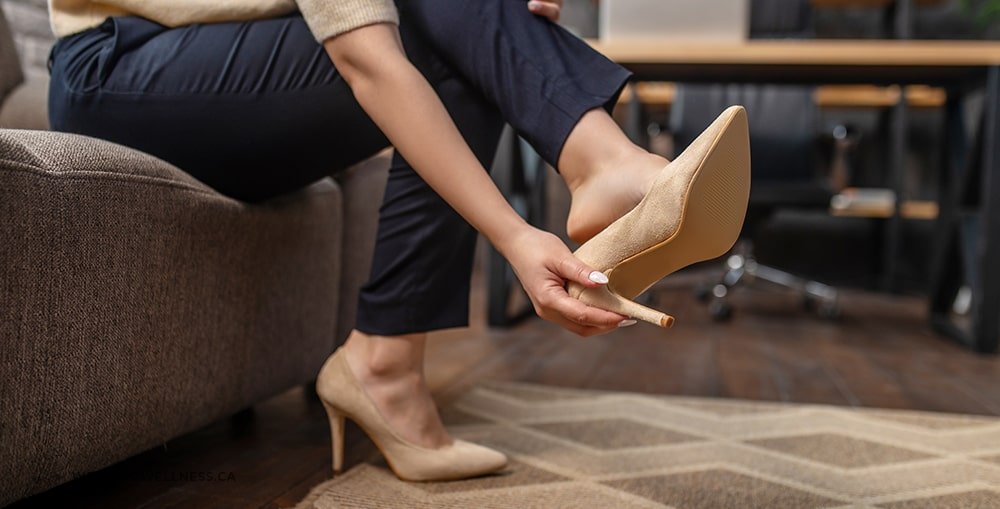
If you’ve been feeling sharp heel pain, especially in the morning, you might be dealing with plantar fasciitis. This article breaks down what it is, why it happens, and how massage therapy can help relieve the tension and support healing.
Frequently Asked Questions
How does reflexology differ from a standard foot massage?
While a foot massage focuses on relaxing the surface muscles, reflexology is a clinical practice based on the map of the nervous system. By applying specific pressure to "reflex zones" on the feet, hands, or ears, a practitioner triggers a physical response in corresponding organs and systems throughout the entire body. This process encourages internal decompression and supports the body’s natural healing mechanisms.
Can reflexology help with chronic stress and workday fatigue?
Yes. Reflexology is particularly effective at signalling the parasympathetic nervous system to take over, moving the body out of a state of "constant bracing." For professionals navigating high-pressure environments, this shift lowers cortisol levels and improves sleep quality, directly addressing the "wired-but-tired" feeling associated with long-term stress.
Is reflexology a safe treatment for everyone?
Reflexology is a non-invasive, safe therapy for most individuals. However, it is important to disclose any history of blood clots, foot fractures, or active gout during your initial clinical assessment. Your practitioner will adapt the pressure and technique to ensure the treatment is both safe and effective for your specific structural needs.
How many sessions are typically required to see results?
Many clients feel an immediate sense of lightness and reduced tension after a single session. However, for chronic conditions like digestive issues or persistent migraines, a series of four to six weekly treatments is often recommended. This allows the body to break its cycle of static loading and establish a new, healthier baseline for its internal systems.
If you have any further doubts or questions regarding this subject or another treatment, contact one of our experienced Acupuncturists or Registered Massage Therapists here at West End Wellness Clinic. You can either give us a call or make an appointment.
Disclaimer: Please remember this article is for informational purposes only and should not replace professional medical advice. Please consult a healthcare provider or someone with the correct qualifications before starting any new exercise or treatment program.