
Master Your Posture & Stop Back Pain with Neutral Spine
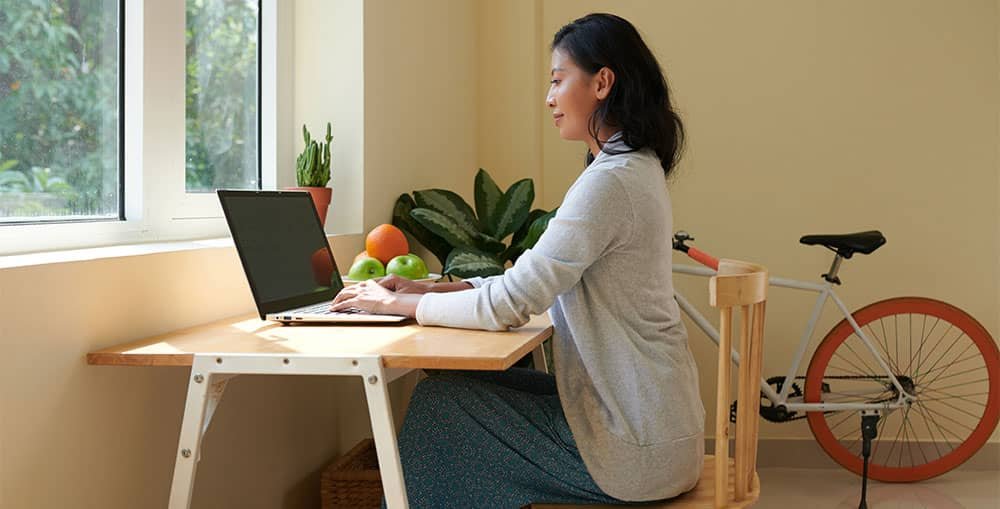
Table of Contents Show
Quick Summary
The physical demands of a Downtown Vancouver lifestyle often force the spine into a state of constant compromise. Whether you are navigating a long commute or sitting through back-to-back meetings, your body frequently loses its neutral center, leading to the protective bracing we recognize as low back pain.
Reclaiming your comfort starts with understanding the mechanical patterns of your day and identifying where your alignment has drifted. By introducing mindful resets and seeking targeted clinical care, you can interrupt the cycle of soft tissue memory. This shift allows you to move away from persistent aches and back into a state of supported, effortless performance.
TL;DR – Mastering Neutral Spine for Back Pain Relief
The Pattern: Sustained sitting and poor pelvic alignment create a "slumped" habit that places excessive mechanical stress on the lumbar discs and lower back muscles.
The Performance Cost: This structural misalignment is a primary driver of chronic lower back aches, reduced mobility, and "soft tissue memory" that locks you into a cycle of discomfort.
Daily Awareness: Implementing the Sit-Bone Find and an 8-point ergonomic setup allows you to reset your pelvis and maintain natural spinal curves throughout your workday.
Clinical Intervention: Targeted Physiotherapy or Chiropractic care provides the necessary reset for deep structural fixations, addressing imbalances that self-care alone cannot fully reach.
Maintaining good posture is easily overlooked, yet crucial for our health in the bustling heart of Vancouver.
Work often demands long hours at desks or on our feet, and many of us plunge into our workdays with little thought about sitting, standing, or moving.
So, if you're looking to master your posture and prevent back pain by maintaining a neutral spine, you have come to the right place.
At West End Wellness, we understand how the pressures of a busy professional life can sideline our well-being. That’s why we're dedicated to providing practical, straightforward strategies to improve your posture and mitigate lower back pain.
We want to help shed more light on how you can make simple adjustments that profoundly impact your overall health and comfort, so you can continue to thrive in your active Vancouver lifestyle without the setback of back pain. We'll also share some easy therapy hacks you can do at home to help improve your posture and keep your spine neutral.
Why Is Posture Important?
Before we head into how to find and maintain a neutral spine, we should first include why posture is important. Below are the main reasons:
A strong spine with good alignment can help prevent pain in the lumbar (lower back) region.
It can help improve your breathing and make you look and feel more confident. Strong abdominal muscles are necessary to maintain a neutral spine position; these muscles can weaken with poor posture.
When your spine and pelvis are correctly aligned, it can help relieve pressure on your lower back and reduce pain.
There are a few things you can do to improve your alignment:
Be aware of your standing or sitting and how it affects your body.
Strengthen the muscles that support your spine and back.
Stretch the muscles that get tight.
Use proper ergonomics when sitting, standing, or moving.
Following these tips can help improve good alignment and overall health!

So, What Is A Neutral Spine?
You may have never heard the phrase "neutral spine," or you may have heard it but wondered what it means.
Either way, you may also ask how or why a neutral spine is important.
The definition is relatively easy—neutral does not mean sitting or in a lounger but refers to the natural alignment of the three main curves in the spine - the cervical (neck), thoracic (middle), and lumbar (lower) regions. Specifically:
The cervical spine should have a slight inward curve.
The thoracic spine should have a slight outward curve.
The lumbar spine should have a slight inward curve.
This natural "S-shaped" spine alignment is considered optimal, allowing the spine to function most efficiently and absorb forces evenly.
A neutral spine is a term used to describe the natural alignment and position of the spine.
When in a neutral spine position, the spine is in its natural curvature position, and the intervertebral discs are in their most healthy position. This posture puts less stress on the thoracic spine and helps to prevent injuries.
How To Activate Your Neutral Spine?
You can do a few things on your own to help improve the spine's position and alleviate pain. Try these five easy hacks from a physical therapist to get started:
-
A lumbar roll is a tube-like-shaped pillow that you can place in the small of your back to support your spine in its natural curve.
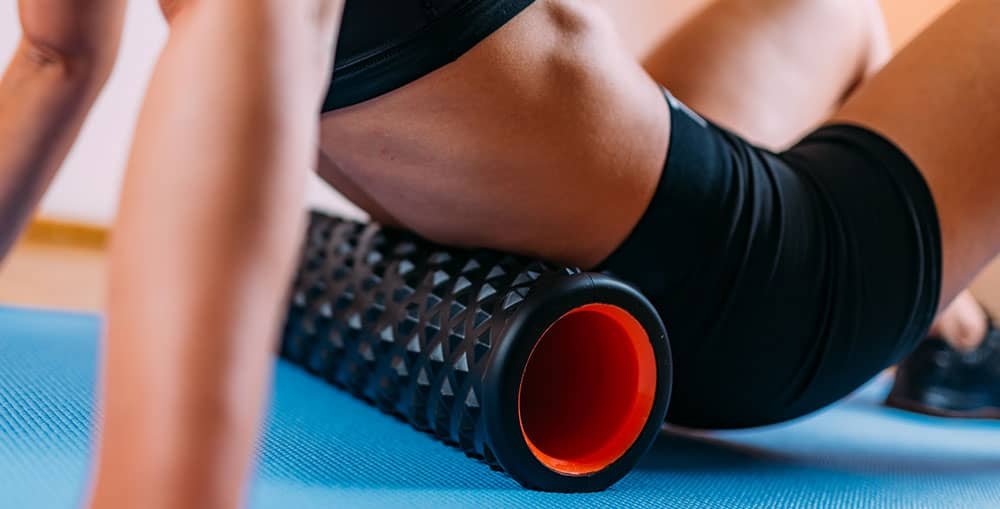
Lie on your back and roll over where the spinal curves. Remembering to exhale can help alleviate muscle tightness, soreness, and inflammation and improve your joint range of motion.
Foam rolling can be an effective tool to improve your warm-up or cooldown before and after exercise. -
Sitting on a stability ball while working can do more than strengthen your core muscles. The correct exercises will help you maintain better posture, ultimately optimizing the function of your spine and supporting your spinal alignment, improving your vitality and overall physical well-being.
Sitting on an exercise ball forces you to use your core muscles to stay balanced while changing the position, which helps strengthen them. This will not only improve your posture but also help alleviate back pain. -
It would be no surprise that we recommend taking time out of your busy day to see a registered massage therapist. Massage therapy can help with lower back pain by loosening and relieving tension in tight muscles.
It would be a treatment that would help relieve the middle of your abdomen, going from your ribs to the front of your pelvis( known as the abdominal muscles), which can be ignored as people normally locate pain in their back.
With a session, your practitioner can help promote proper alignment, help with an exercise program and help you leave relaxed. -
Pilates or yoga is very common and an excellent way to improve flexibility, strength, and balance. It can also help with alignment issues, as you find certain positions throughout a class help muscles become stronger with repetition.
How To Maintain a Neutral Spine?
The spine contains vertebrae starting at the top and trickling down to the tailbone. Even when your back is straight, it is not straight; the vertebrae are stacked in a way that creates a series of curves.
The natural curves of the spine include a slight kyphotic curve to the upper spine, followed by reverse curves toward the back of the neck, lumbar lordotic curves and lower back in the lower back.
Neutral curves help the spine parts (bones, discs, ligaments, tendons, and muscles) carry loads efficiently and minimize damage.
In addition to moving heavy couches, picking up children, and relaxing on the squat rack, adult humans are heavy. Our spines carry substantial weight when simply moving our bodies around. Stabilizing your spine while standing is important for preventing overstressing your back in your pick-it-up game.
To find the neutral spine position, it is suitable to begin a head-to-toe evaluation by standing sideways in front of a full-length mirror and, when facing the mirror, tilt your hips back so they sit above your knees and ankles in a vertical line; then to do the following:
Adjust your pelvis: Your pelvic rotation can go both forward and backward, but it remains neutral when it's not tilted. First, explore the protruding bones of the pelvis, called the anterior superior iliac spines (ASIS), and the rear side of the pelvis, called the pubic symphysis (PS).
Adjust your rib cage: It has a cylinder-like shape. When people stand upright, they arch their backs and move the bottom of the rib cage closer to the stomach, extending the lower back curve into the upper back. They are not great at developing the ligaments and cartilage in this area.
If your rib cage is tipping back, push the top forward until you're stacked over the front of your pelvis, which further modifies the curve in your lower spine.
Adjust your head: If our-shaped bodies are overwhelmed by modern technology, we tend to bend our heads to our chests. Our spines are then adversely affected. These movements distort the vertebrae in the neck and back, leading to the flattening of the neck's curvature and excessive rounding of the upper back more than a neutral spine.
Relax your body and head and repeat the movement, reaching the top of your head and sliding your head back into your previous position. Hold the area below your chin with your abdominal muscles to flow up your spine.
To keep erect, your ribcage provides an upward and backward motion of your head that tugs your spine up. This is a lift of your cervical and thoracic spine.

A common mistakes is not sitting correctly at a desk.
The Top Posture Mistakes People Make
We have to remember our bodies were designed to move quickly.
Still, our muscle activity has been decreasing as we spend more time in sedentary environments, which negatively affects our physical health and requires us to sit for extended periods.
Below, we list the most common mistakes, along with other things people may be unaware of. Which one (or two) do you think you might be making?
Sitting At A Desk
One of the most common mistakes that can cause back injuries is sitting in a chair incorrectly.
In most cases, people are not fully aware of the correct way to sit. They may sit with their knees higher than their hips or slouch over their keyboard at a monitor screen that is either too high or too low.
Most of these positions cause pelvic tilt, which stresses the lower back and, with time, can cause pain and discomfort, so remember this important sitting arrangement:
Sticking the butt out or having an exaggerated inward curve in the lower back (hyperlordosis/"Donald Duck posture"): This can be corrected by strengthening the core and glutes, and stretching the hip flexors and thighs.
Standing with your feet too far apart or on one leg
It may sound odd, but have you ever noticed that when you are standing relaxed, you may find yourself leaning to one side, putting too much weight on one leg, or standing with your feet too far apart?
With time, it will curve the spine, strain your lower back, and cause pain. To avoid this, stand with your feet about shoulder-width apart.
Crossing the legs while sitting: Keeping the feet flat on the floor with knees at a 90-degree angle is the proper seated posture.
Slouching
Similar to standing, our bodies slouch when we sit or stand, which can cause pain in the lower back and neck. To avoid this, sit up straight and keep your shoulders down and back. Hold your head up and keep your shoulders down and back when standing.
Slouching or slumping in a chair: Proper posture is sitting up straight, with the shoulders back and relaxed.
The key is to be mindful of posture throughout the day, make adjustments as needed, and do targeted exercises to address any imbalances or weaknesses. Proper ergonomics and taking regular breaks are also important.
So, starting with three repetitions of pelvic floor exercises in the morning or evening will be a good start.
You can then move on to other strengthening exercises, using various positions to target hip extension and support you as you go about your day.

Learn more about ways to improve posture and prevent sore muscles while sitting for long periods of time at your desk.
FAQs
Does a neutral position prevent back strain?
Yes. Research indicates that maintaining a neutral spine is one of the most effective ways to prevent back strain and injury. This alignment ensures that the physical stresses of movement and lifting are distributed safely across the spine's structures rather than concentrating on a single point.
What are the benefits of a neutral spine?
A neutral spine minimizes stress on the vertebrae, discs, and nerves. Key benefits include reduced muscle tension and fatigue, decreased wear and tear on spinal joints, and the prevention of chronic neck and back pain. It also promotes a taller, more confident posture and improves overall physical sustainability.
Can I straighten my spine by myself?
Yes, through consistent practice and lifestyle changes. You can improve your alignment by building posture awareness, performing core-strengthening exercises, and making ergonomic adjustments to your workspace. While self-correction is effective for many, consulting a physiotherapist or chiropractor ensures your approach is safe and tailored to your specific needs.
Final Thoughts
By now, you should better understand how crucial it is to maintain a neutral spine and good posture for your overall health, and how they can significantly alleviate lower back pain.
Remember, the journey to better posture is a personalized process; everyone's body is unique in height, weight, and physical condition. Thus, it's essential to approach posture correction and exercises with mindfulness and caution, especially if you're not working with a professional.
If you're currently experiencing lower back discomfort or a recurring issue, don't hesitate to seek expert advice. At West End Wellness, our team of skilled massage therapists is not only equipped to perform thorough evaluations but also to create tailored workout plans that suit your specific needs.
These personalized plans are designed to be practiced safely at home, so you can continue strengthening your spine and improving your posture at your own pace.
We encourage you not to overlook the importance of professional guidance in your quest for a healthier back.
A specialist’s insight can significantly improve your approach to spinal health, helping you identify and enhance your strengths while addressing weaknesses.
Whether mastering the pivot maneuver for posture improvement or developing a routine that fits into your busy life in Vancouver, we are here to support every step of your journey toward lasting wellness.
Remember, a neutral spine and improved posture are within your reach. With the right steps, you can achieve not only relief from pain but also a greater quality of life.
If you have any further doubts or questions regarding this subject or another treatment, contact one of our experienced Acupuncturists or Registered Massage Therapists here at West End Wellness Clinic. You can either give us a call or make an appointment.
Disclaimer: Please remember this article is for informational purposes only and should not replace professional medical advice. Please consult a healthcare provider or someone with the correct qualifications before starting any new exercise or treatment program.