
Natural Headache & Migraine Relief with Massage Therapy

Table of Contents Show
Quick Summary
Struggling with headaches or migraines that throw off your whole day? This article explains how massage therapy can offer real relief by addressing the root causes, like muscle tension, stress, and poor posture. You’ll learn which types of massage work best, how often you may need them, and what to expect during a session.
Whether your pain is occasional or chronic, massage could be the missing piece in your wellness plan. It’s a natural, relaxing way to help you feel better and function at your best.
TL;DR – Massage Therapy for Managing Headaches and Migraines
Massage therapy helps reduce the frequency and intensity of headaches and migraines.
Techniques like trigger point therapy and myofascial release ease muscle tension and improve circulation.
Regular sessions can relieve stress and support long-term pain management.
RMTs can tailor treatments based on headache patterns and root causes.
A natural, hands-on option for those seeking relief without medication.
Imagine waking up with a pounding headache or feeling a migraine creeping in just as you're about to start your day.
It is, of course, no surprise that for most of us, the first thing we will want to reach for is painkillers, hoping for quick relief.
But what happens if you unfortunately suffer from daily headaches or a migraine that you feel medication is not helping? What if we were to tell you there was a healthier, more natural way to alleviate your pain?
At West End Wellness, it is common to hear from patients who have a headache, and like many people, they aren't aware that massage therapy can be a powerful tool for managing headaches and migraines.
So, for now, put down the medication and let us explain how massage therapy offers a holistic approach instead of relying on over-the-counter drugs.
Let us explain how a massage can target tension and promote relaxation and how massage therapy can help you find relief and improve your overall well-being so you can enjoy your days without turning to pharmacological options.

Are you wondering what else massage therapy treatment can help treat? Find out with this article, and embrace a holistic approach today.
Understanding Headaches and Migraines
Headaches and migraines are common ailments that can significantly impact daily life. Over 40% of the global population is affected by a type of headache disorder, which is more common in females than in males. Anyone from the ages of 5 to 80 will experience the condition. Understanding their differences and triggers can help manage them more effectively.
Types of Headaches
Tension Headaches: The most common type, often caused by stress, poor posture, or eye strain. They present as a dull, aching pain around the forehead and back of the head.
Cluster Headaches: These are severe headaches that occur in cyclical patterns or clusters. They usually cause intense pain around one eye and can last for weeks or months, followed by periods of remission.
Migraines: More intense than regular headaches, migraines often come with additional symptoms like nausea, vomiting, and sensitivity to light and sound. They can last from a few hours to several days.
Common Triggers
Stress: Both physical and emotional stress can lead to headaches and migraines.
Diet: Certain foods and beverages, such as alcohol, caffeine, and processed foods, can trigger headaches.
Environmental Factors: Bright lights, strong smells, and loud noises can also act as triggers.
Sleep Patterns: Both lack of sleep and oversleeping can contribute to headaches and migraines.
Hormonal Changes: Particularly in women, hormonal fluctuations during menstrual cycles, pregnancy, or menopause can trigger migraines.
Understanding these types and triggers is the first step in managing and preventing headaches and migraines. By recognizing what may be causing your discomfort, you can take proactive steps to reduce their frequency and severity.
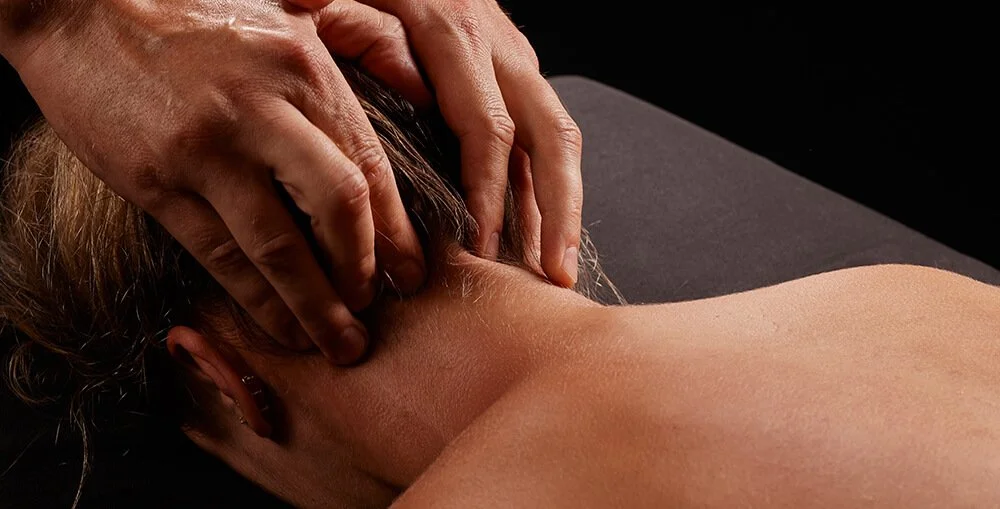
Massage therapy alleviates muscle tension, reducing headache triggers.
How Massage Therapy Helps
Massage therapy can be a game-changer for those suffering from headaches and migraines. By targeting specific areas of tension, massage therapy can provide both immediate relief and long-term benefits.
Techniques and Benefits
Trigger Point Therapy: This technique focuses on releasing tight areas within muscle tissue, known as trigger points, which can refer pain to other parts of the body. This often involves the neck, shoulders, and upper back for headache sufferers.
Deep Tissue Massage: This method uses slower, more forceful strokes to target the deeper layers of muscle and connective tissue. It’s particularly effective for chronic tension headaches as it helps to break down adhesions and relieve tension.
Swedish Massage: A more gentle form of massage, Swedish massage uses long strokes, kneading, and circular movements on the topmost layers of muscles. It promotes overall relaxation and is great for stress-related headaches.
Aromatherapy Massage: This technique combines massage benefits with essential oils to enhance relaxation and reduce headache frequency and intensity. Lavender and peppermint oils are particularly effective.
Before we move on, if we were to share a success story, it would be that of Sarah, who struggled with chronic migraines for years. She came to the clinic, hoping to find a solution, as she had found other traditional treatments offering little relief.
After her consultation and discussion with her registered massage therapist, she was given a few sessions of trigger point therapy and deep tissue massage.
Sarah noticed a significant reduction in the frequency and intensity of her migraines over the course of treatments.
Not only has she learnt there is always a treatment for everyone, but she now incorporates regular massage sessions into her routine and enjoys a much-improved quality of life.
Studies have also shown that regular massage therapy can reduce the frequency and severity of headaches. By improving blood circulation, reducing muscle tension, and promoting relaxation, massage therapy addresses some of the root causes of headaches and migraines.

Regular Massage sessions can help to ower stress levels, preventing headaches and migraines.
Practical Tips for Managing Headaches with Massage
Managing headaches and migraines can be challenging, but incorporating massage therapy into your routine can make a significant difference. Here are some practical tips to help you get immediate relief and maintain long-term benefits through massage.
Self-Massage Techniques for Immediate Relief
When a headache strikes, self-massage can provide quick and effective relief. These techniques are easy to do and can help reduce tension and promote relaxation.
-
Find a comfortable seated position and take a few deep breaths to relax. Using your index and middle fingers, gently place them on your temples—just to the sides of your forehead, above your cheekbones.
Begin to move your fingers in slow, small circles. Keep the pressure light and steady. Continue massaging in circular motions for one to two minutes. This simple technique can help release tension, ease headaches, and promote a sense of calm.
-
Sit comfortably and relax your shoulders. Place both hands on the back of your neck, letting your fingers rest just below the base of your skull.
Using your fingers and palms, gently squeeze the muscles on either side of your neck. Slowly move down toward your shoulders, pausing to press and release any areas that feel tight or tense. You can alternate between squeezing and gentle circular motions.
Continue for 3 to 5 minutes, focusing on any spots that feel stiff or sore. This helps reduce tension, ease stress, and improve blood flow.
-
Begin by resting your fingertips in the center of your forehead, just above your eyebrows. Using light pressure, start to rub in small circular motions.
Slowly move your fingers outward toward your temples, continuing the circular motion as you go. Take your time and keep the movements smooth and steady.
Repeat this for 1 to 2 minutes. This simple massage can help relax facial muscles, ease tension headaches, and bring a sense of calm and clarity.
Recommended Frequency and Duration of Professional Massage Sessions
To manage chronic headaches or migraines effectively, regular professional massage sessions are essential.
Frequency: For chronic headaches or migraines, scheduling professional massage sessions once a week can provide significant relief. As symptoms improve, you can reduce the frequency to bi-weekly or monthly maintenance sessions.
Duration: Sessions should typically last 60 to 90 minutes, allowing enough time to effectively address all areas of tension.
Importance of Staying Hydrated and Practicing Good Posture
In addition to massage, staying hydrated and maintaining good posture are crucial in managing headaches and migraines.
Hydration: Drinking plenty of water before and after a massage helps flush out toxins released during the session and prevents dehydration, which can contribute to headaches.
Good Posture: Maintaining good posture can prevent tension from building up in your neck and shoulders. Ensure your workstation is ergonomically set up, and take regular breaks to stretch and move around.
These practical tips are not just quick fixes but essential parts of a comprehensive approach to managing headaches and migraines.
Incorporating these techniques into your routine can provide significant relief and an improved quality of life. Remember, finding the right routine that works for you is key, and it's worth experimenting with different methods to see what provides the best results.
Additional Tips for Headache Prevention
While massage therapy can work wonders, integrating a few simple lifestyle changes can also help keep those pesky headaches at bay. Think of it as building a strong foundation for your health:
Healthy Diet: Choose balanced meals and avoid common triggers like caffeine, alcohol, and processed foods. Your body will thank you!
Regular Exercise: Even moderate physical activity can boost circulation and reduce stress. Find something you enjoy, whether it’s a brisk walk, yoga, or dancing in your living room.
Adequate Sleep: Aim for 7-9 hours of quality sleep each night. Keeping a consistent sleep schedule can make a huge difference.
Stress Management: To manage stress, practice relaxation techniques such as yoga, meditation, or deep-breathing exercises.
Hydration: Drink plenty of water throughout the day to stay hydrated. Dehydration is a common headache trigger, so keep that water bottle handy.
Incorporating these habits can lead to a healthier, headache-free life. Remember, small changes add up!
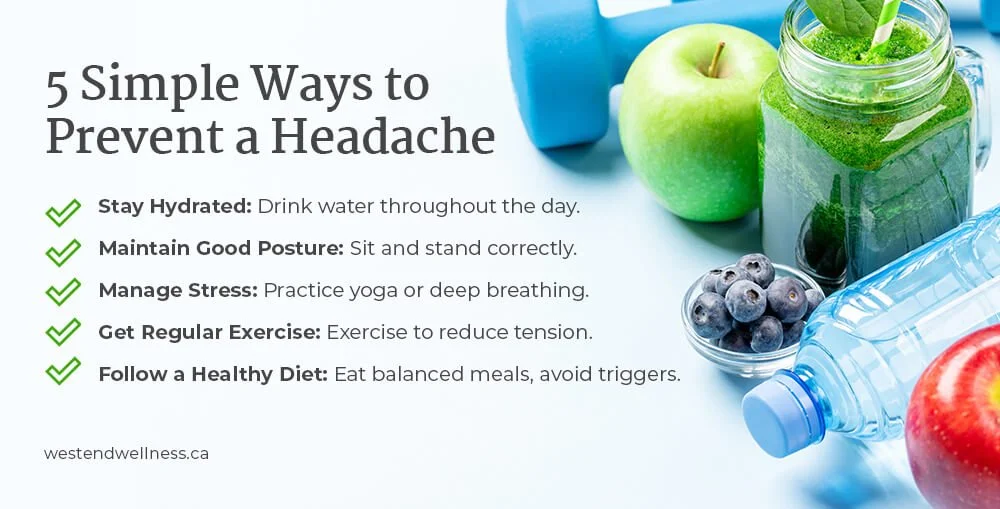
Prevent headaches and migraines by integrating a few simple lifestyle changes
FAQs
How Does Massage Help Migraine Headaches?
Massage therapy can significantly reduce migraine symptoms by targeting muscle tension and spasms, particularly in the neck and shoulders.
When these muscles are relaxed through techniques such as deep tissue or trigger point massage, blood flow improves, and tension is alleviated, which can decrease the frequency and severity of migraine episodes.
Additionally, massage therapy promotes overall relaxation and reduces stress, which are common triggers for migraines. Regular sessions can lead to long-term relief and better management of migraine pain.
Can a Massage Therapist Help with Tension Headaches?
Absolutely! A registered massage therapist can provide significant relief for tension headaches by focusing on areas prone to stress, such as the neck, shoulders, and head.
Massage therapy can alleviate pain and discomfort associated with tension headaches by easing muscle tension and improving blood flow in these areas.
Techniques like deep tissue massage, trigger point therapy, and Swedish massage are particularly effective. Regular sessions can also help reduce the frequency of headaches by addressing the underlying causes of muscle tension.
Is a Deep Tissue Massage Good for Headaches?
Yes, a deep tissue massage can be highly effective for relieving headaches. This massage technique focuses on releasing muscle tension and improving blood flow to the head and neck, which helps reduce inflammation and pain.
By targeting deeper layers of muscle and connective tissue, deep-tissue massage alleviates the underlying causes of tension headaches.
It also helps reduce stress, a common headache trigger, providing immediate relief and long-term benefits.
Conclusion
Dealing with headaches and migraines can be tough, but there’s hope, and we hope this article has helped give you some assurance of the possibilities.
But what we hope you can take away from this article is that rather than relying on painkillers to dampen your headaches or migraines, you should consider exploring massage therapy as a natural alternative.
Massage therapy can offer a natural, effective way to manage and reduce pain.
By understanding different types of headaches, learning self-massage techniques, and adopting healthier habits, you have a toolbox of strategies to help you feel better.
By incorporating these strategies and making simple lifestyle changes, you can significantly reduce the frequency and severity of headaches. Remember, it's about finding and sticking with what works best for you.
Every step counts, whether you choose regular professional massage sessions or simple lifestyle tweaks.
Remember, it’s all about finding what works best for you and making it a part of your routine. Here’s to a healthier, happier, and headache-free life without needing medication!
If you have any further doubts or questions regarding this subject or another treatment, contact one of our experienced Acupuncturists or Registered Massage Therapists here at West End Wellness Clinic. You can either give us a call or make an appointment.
Disclaimer: Please remember this article is for informational purposes only and should not replace professional medical advice. Please consult a healthcare provider or someone with the correct qualifications before starting any new exercise or treatment program.