
RMT Posture Correction: Stand Tall for Better Health

Table of Contents Show
Quick Summary
We all know that mid-day slump where our shoulders feel like they are permanent earrings. Living in a busy city like Vancouver means we are often glued to our desks or phones, which forces our bodies into a "desk-hunch" that is hard to break.
If you are dealing with a stiff neck or pinched shoulders, your body is just asking for a reset. In this guide, I will show you how Registered Massage Therapy effectively treats Tech Neck and postural imbalances. We will dive into how myofascial release restores alignment and why prioritizing your spinal health is the key to moving without pain.
We have all been there. You finish a long day at your desk here in the West End and suddenly realize your shoulders are feeling tight and feel like they are practically touching your ears.
Between the hours spent at our workstations and the constant pull of our phones, our bodies start to shift in ways they are not meant to. This often leads to that stubborn "desk-hunch" or the nagging ache of "Tech Neck" that just will not go away.
If you feel like your neck is locked or there is a constant pinch between your shoulder blades, I want you to know that your body is simply asking for help.
At West End Wellness, we truly understand that frustration, and we are going to explain exactly how Registered Massage Therapy works to help you hit the reset button on these imbalances so you can finally move with ease or avoid injuries.
Who is Most at Risk for Postural Strain?
Posture issues don't discriminate, but we frequently see five specific "posture profiles" in our clinic:
The Digital Professional: Suffering from "Tech Neck" and rounded shoulders due to poor ergonomic setups.
The Active Student: Dealing with "Backpack Strain" and prolonged study-session slouching.
The High-Stress Individual: Carrying tension in the upper trapezius, leading to a "hunched" or rigid stance.
The Weekend Warrior: Athletes with muscle imbalances that pull the spine out of alignment.
The Forward-Leaning Senior: Facing age-related muscle weakness that impacts balance and mobility.
How Our Vancouver RMTs Correct Your Alignment
We don't just "relax" the muscle; we retrain it. Our therapists utilize clinical techniques specifically chosen to break the cycle of poor posture:
Myofascial Release: To loosen the connective tissue (fascia) that "glues" your shoulders forward.
Trigger Point Therapy: To deactivate the painful "knots" caused by overstretched back muscles.
Deep Tissue & Swedish Integration: To improve circulation and reset your body’s natural homeostatic balance.
Don't let "office posture" become your permanent posture. Understanding the root cause of your discomfort is the first step toward a pain-free, balanced life.
What Is Bad Posture?
Bad posture refers to the incorrect alignment of the body while standing, sitting, or lying down.
It often results in an uneven distribution of weight, which can lead to strain on muscles and ligaments. If you’ve ever felt neck or back pain after tasks like cleaning the house or spending long hours at a desk, you’ve likely experienced bad posture.
Bad posture medically occurs when the spinal cord stays bent for extended periods, increasing pressure on joints and ligaments. This pressure can lead to discomfort and long-term issues.
The most common cause of bad posture is prolonged sitting, which is a very relatable cause for most but is easily forgotten about due to focusing on the tasks at hand.
But there are also others who are susceptible to the negative effects of poor posture:
Children and teenagers are at risk as they spend more time hunched over digital devices, carrying heavy backpacks, and sitting for long periods at school
Elderly individuals can develop poor posture as they lose muscle strength and bone density with age, leading to conditions like kyphosis (excessive outward curvature of the spine).
Overweight or obese individuals may struggle with maintaining proper posture due to increased strain on the spine and musculature.
Pregnant women commonly experience posture issues from the added weight and shift in their center of gravity.
Manual labourers performing repetitive motions or heavy lifting are susceptible to muscle imbalances that contribute to poor posture.
But one that almost anyone can relate to is that spending excessive time looking down at phones, tablets, or other digital devices can lead to a "text neck" or forward head posture. I think we are all guilty of doing this one!
So far, you can start to recognize that, whether we are eating, driving, working, or studying, we often sit incorrectly for extended periods. This can reshape muscles, causing imbalances that maintain poor posture.
For example, sitting hunched over for long periods can cause muscles to adapt to this incorrect alignment, perpetuating the issue. To combat bad posture, it's essential to be mindful of your body's alignment and to make adjustments as needed.
Regular movement, ergonomic furniture, and posture-correcting exercises can help maintain a healthy posture and prevent related discomfort.

What Causes Bad Posture?
In our fast-paced lifestyle, bad posture can creep in unnoticed, impacting our daily lives. While we have learned about what bad posture is and who is susceptible to the negative effects, we do want to highlight two common causes that can play a pivotal role in creating bad posture:
Having bad posture will lead to negative health effects that can harm other aspects of your physical health. When you are not aligned, your body becomes imbalanced, and this will not only be felt but will also become increasingly difficult for your joints, which can lead to various issues such as:
How Massage Therapy Can Fix Posture
Massage therapy is a vital component of overall health and wellness. It offers relief from various issues, including chronic pain, stress, and muscle tension.
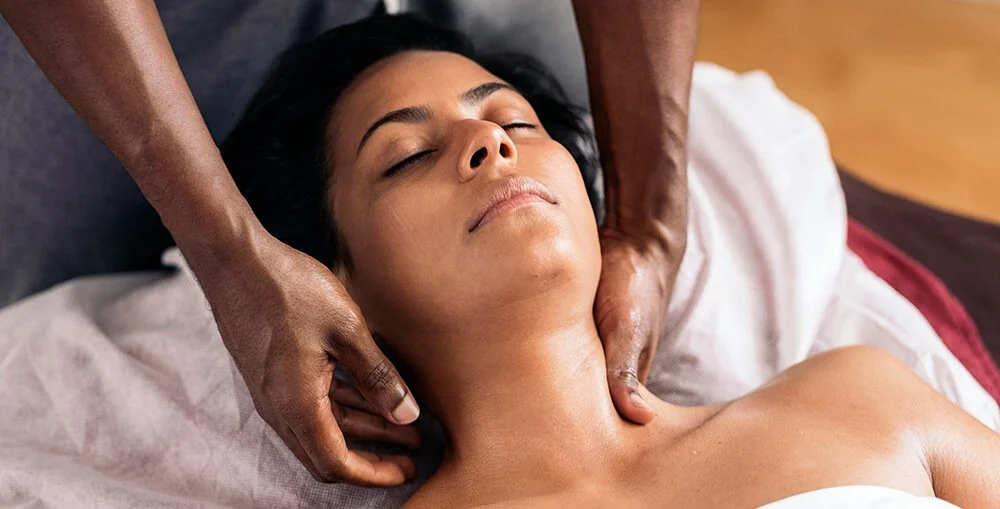
One significant benefit of massage therapy is its ability to correct poor posture. Massage helps realign the body and improve posture by addressing muscle imbalances and promoting relaxation.
While there are many options regarding massage techniques, your registered massage therapist will probably advise you on the right massage to treat your health condition. However, this article will explain four types of massage you may experience.

Sports Massage
Do not be fooled by the name, sports massage isn't just for athletes. This massage focuses on targeting soft tissues with pressure tailored to your preference.
The immediate benefit is improved blood circulation, which increases muscle temperature and flexibility. As muscles and joints relax and become more elastic, posture naturally improves, reducing pain and tension.

Deep Tissue Massage
Deep tissue massage focuses on the deeper layers of muscle and connective tissue. This helps increase mobility as muscles relax and adjust to their natural positions. The deep pressure also alleviates pain, supporting better posture and overall muscle health.
It is also particularly effective in releasing chronic muscle tension and knots, which can help realign the body and improve posture.

Swedish Massage
Swedish massage is ideal for both physical relief and mental relaxation. A massage therapist uses firm or gentle pressure to target areas with the most tension, such as the lower back or shoulders.
This holistic approach reduces physical pain and stiffness and enhances mental relaxation and mood, promoting a more balanced and aligned posture.

Myofascial Release Therapy
Myofascial release therapy relieves tension in the fascia, the connective tissue surrounding muscles. Applying gentle, sustained pressure helps to release tightness and improve flexibility.
This release of tension can correct muscle imbalances, enhance mobility, and support proper posture alignment. It is particularly effective for chronic pain and areas with persistent tightness.
FAQ
Can an RMT help with posture?
Absolutely. Posture isn't just about "standing straight," it's about the balance of your soft tissue. An RMT identifies the specific muscles that have become shortened and "locked" from daily habits.
By releasing these deep-seated tensions, we help recalibrate your body's alignment, making a tall, neutral posture feel like your natural state rather than a constant effort.
Is RMT hard on your body?
Not in the way people often fear. While some techniques require depth to reach "stuck" tissue, every treatment is a dialogue between the therapist and your nervous system.
Our goal is therapeutic challenge, not pain. You may feel a "good ache" as restricted areas release, but the ultimate result is a body that feels lighter and more mobile, not bruised.
Can a massage therapist align your spine?
While RMTs don't perform the high-velocity "adjustments" typical of a chiropractor, we address the muscular scaffolding that holds your spine in place.
If your muscles are pulling unevenly on your vertebrae, any alignment will be temporary. By balancing the tension in the surrounding tissues, we create the structural stability your spine needs to stay aligned and move without restriction.

Discover how massage therapy can alleviate stress, reduce muscle tension, and improve posture for those long hours at the desk.
Conclusion
Good posture is not about forcing yourself to sit or stand a certain way. It is about giving your body the support it needs to move, breathe, and recover more easily.
In a city like Vancouver, where long workdays, commuting, and screen time are part of everyday life, posture challenges are common and completely understandable.
Massage therapy can play a meaningful role in this process. By reducing muscle tension, improving mobility, and restoring balance, regular treatment supports the body as it adapts to healthier movement patterns.
Research even shows measurable benefits. A 2017 study found that massage therapy significantly improved shoulder range of motion in people with rounded shoulders, reinforcing its value as part of posture care.
You can read more about those findings through this study on massage therapy and shoulder mobility.
It is also important to remember that posture changes take time. Our bodies adapt to what we do most often, and unlearning long-standing habits does not happen overnight.
The goal is progress, not perfection. Small adjustments to daily routines, paired with hands-on care, can lead to noticeable improvements in comfort and confidence over time.
If posture-related pain or tension has become part of your normal, it does not have to stay that way.
With the right support and a bit of consistency, many people find they move through their day with less strain and more ease. That is what lasting posture care is really about.
If you have any further doubts or questions regarding this subject or another treatment, contact one of our experienced Acupuncturists or Registered Massage Therapists here at West End Wellness Clinic. You can either give us a call or make an appointment.
Disclaimer: Please remember this article is for informational purposes only and should not replace professional medical advice. Please consult a healthcare provider or someone with the correct qualifications before starting any new exercise or treatment program.