
Training for the Sun Run? How Therapeutic Massage Prevents Shin Splints.
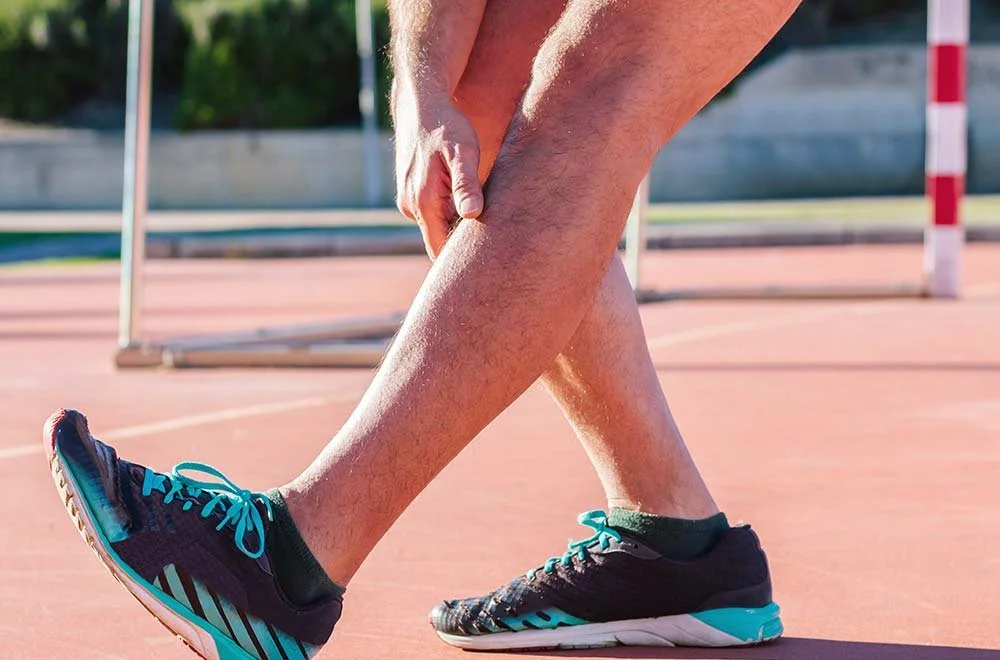
Table of Contents Show
Quick Summary
Training for the Vancouver Sun Run is exciting, but increasing mileage too quickly can sometimes lead to nagging lower leg pain known as shin splints. This common running injury, medically called Medial Tibial Stress Syndrome (MTSS), often develops when tight calf muscles and overworked shin muscles place repeated stress on the tibia.
While rest can help, recovery strategies such as massage therapy, mobility work, and proper footwear can play an important role in preventing the condition from worsening. By improving muscle flexibility, restoring ankle mobility, and supporting circulation, therapeutic massage can help runners stay consistent with their training. In this guide, we explore why shin splints occur and how smart recovery habits can help keep your legs strong throughout the training season.
TL;DR – Sun Run Injury Prevention: Stop Shin Splints with Massage
Shin splints are common when runners increase mileage too quickly during training.
The condition, known as Medial Tibial Stress Syndrome (MTSS), often results from tight calf muscles and overworked shin muscles.
Therapeutic massage can help reduce muscle tension, improve ankle mobility, and support recovery.
Booking massage 48–72 hours after long runs can help maximize recovery during training.
At-home strategies like foam rolling, ice massage, and proper footwear can also reduce strain on the lower legs.
Combining training with proper recovery can help runners stay healthy and reach the Sun Run starting line feeling strong.
Every spring in Vancouver, thousands of runners begin preparing for the Vancouver Sun Run. Training plans start circulating, new running shoes come out of the closet, and weekend-long runs become part of the routine.
At first, it feels great. The kilometres start adding up, endurance improves, and race day begins to feel closer.
Then something small shows up.
A dull ache along the front or inside of the shin. Maybe it appears halfway through a run. Maybe it lingers the next morning when you step out of bed. Many runners try to push through it, assuming it’s just part of training.
But that familiar pain is often the early sign of shin splints, one of the most common injuries runners experience when increasing mileage too quickly.
The truth is that success on race day isn’t just about how far you run each week. It’s about how well your body recovers between those runs. When muscles stay tight and overloaded, small stresses can build into bigger problems.
Understanding what causes shin splints and how to support your recovery can make the difference between struggling through your training and arriving at the starting line feeling strong.
Understanding Shin Splints: What’s Really Happening in Your Lower Leg
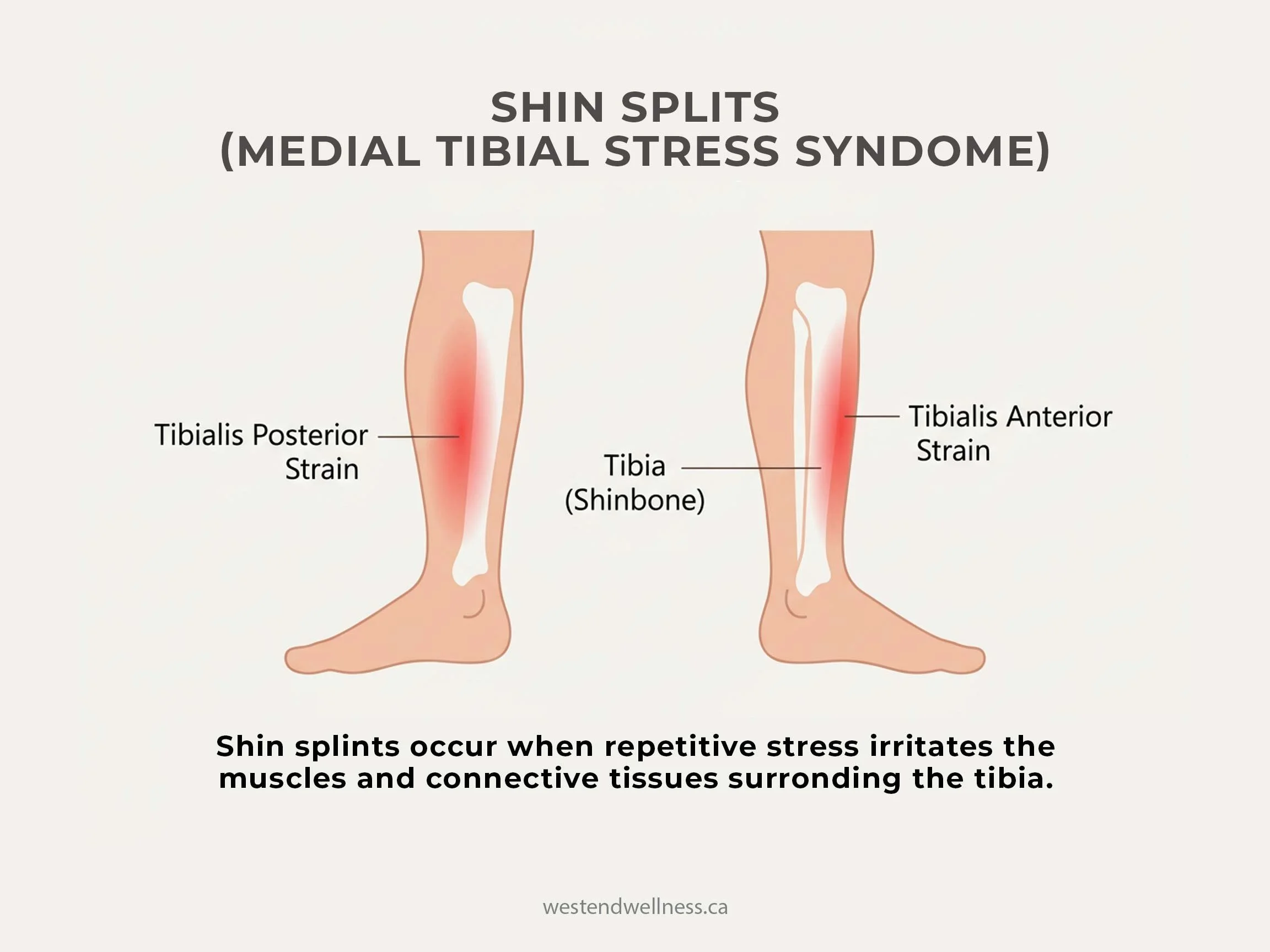
Many runners use the term “shin splints” to describe any pain along the front of the lower leg, but the condition most often referred to is called Medial Tibial Stress Syndrome (MTSS). This type of injury is common when running mileage increases too quickly or when the muscles of the lower leg become overloaded.
According to the American Academy of Orthopedic Surgeons, MTSS occurs when repetitive stress irritates the tissues surrounding the tibia, the long bone that runs along the front of your lower leg.
The Muscle Connection
Two muscle groups play a major role in this process.
The tibialis anterior, located along the front of the shin, helps lift the foot with every stride. Behind it, the calf muscles, particularly the gastrocnemius and soleus, help push the body forward as you run.
When these muscles become tight or fatigued, they begin to place extra strain on the connective tissues that attach them to the shin bone.
Research published in the British Journal of Sports Medicine has shown that overuse, muscle imbalance, and reduced ankle mobility are common contributors to MTSS in runners.
The “Tug-of-War” Effect
A helpful way to picture this is as a tug-of-war happening along the lower leg.
Tight calf muscles pull from the back while overworked shin muscles pull from the front. Both attach to the thin membrane that surrounds the tibia, called the periosteum.
When that constant pulling becomes excessive, the tissue becomes irritated and inflamed. That irritation is what creates the familiar aching or throbbing pain runners feel along the inside of the shin.
Understanding this muscle relationship is important because treating shin splints isn’t just about resting. It’s about restoring balance and mobility in the muscles surrounding the lower leg so that stress on the tibia can decrease.
How Therapeutic Massage Can Help Break the Cycle
Once shin splints begin, runners often fall into a frustrating cycle. Tight muscles create pain, the body compensates during each stride, and that compensation places even more stress on the lower leg.
Therapeutic massage can help interrupt that cycle by addressing the muscles and connective tissues that contribute to the problem.
Releasing Myofascial Trigger Points
When calf muscles become overworked, small areas of tension often develop within the muscle fibres. These are commonly known as trigger points or “knots.”
Trigger points in the gastrocnemius and soleus can limit the efficiency of the lower leg muscles during running. When the calves aren’t functioning properly, the tibialis anterior along the front of the shin is forced to work harder with every step.
Through targeted pressure and soft-tissue techniques, massage therapy helps release tension in these areas so the muscles can function more normally.
Restoring Healthy Ankle Movement
Another common contributor to shin splints is limited ankle dorsiflexion, which is the ability to bring your toes upward toward your shin.
When this range of motion is restricted, the body often compensates by placing extra strain on the lower leg during each stride. Over time, that added stress can contribute to the irritation associated with shin splints.
Massage therapy helps loosen the calf muscles and surrounding fascia, restoring the mobility needed for a smoother, more efficient running stride.
Supporting Circulation & Recovery
Running creates small amounts of muscle fatigue and microscopic tissue stress. Normally, the body repairs this damage during recovery periods.
Massage therapy helps support this process by encouraging circulation in the affected muscles. Increased blood flow helps deliver oxygen and nutrients to the tissue while assisting the body in clearing metabolic byproducts created during exercise.
According to the Mayo Clinic, massage therapy can help reduce muscle tension, improve circulation, and support recovery after physical activity.
For runners dealing with early shin discomfort, this combination of muscle release, improved mobility, and circulation support can play an important role in preventing the condition from progressing.
Integrating Massage Into Your Sun Run Training Schedule
When shin discomfort begins, many runners wait until the pain becomes difficult to ignore before seeking help. Unfortunately, by that point the muscles and connective tissues are already overloaded.
A more effective approach is to treat recovery as part of the training plan itself.
The Maintenance Phase
During a typical 10K training cycle, your weekly mileage gradually increases. While this helps build endurance, it also increases the workload on the muscles of the lower leg.
Scheduling a massage periodically throughout the training season can help keep the muscles loose and balanced before tension builds into injury.
For many runners, a monthly or bi-weekly session during training works well as a form of preventative maintenance. Instead of waiting for pain to appear, regular care helps the body recover more efficiently between runs.
Timing Your Appointment
The timing of a massage can also make a difference.
A helpful guideline is to book your session 48 to 72 hours after your longest run of the week. This window allows the body to begin its natural recovery process while still addressing the muscle tension created during training.
At this stage, massage therapy can help reduce tightness in the calves and shins, support circulation, and restore mobility before the next training cycle begins.
Complementary Care Options
Some runners also benefit from combining massage with other supportive therapies.
For example, acupuncture may help reduce inflammation and support recovery when nerve irritation or persistent muscle tension is involved. In traditional practice, acupuncture is often used to help regulate pain signals and improve circulation in areas affected by repetitive stress.
Used together, these therapies can help runners stay consistent with their training while reducing the risk of overuse injuries.
At-Home “Pre-Hab” Tips for Shin Splint Prevention
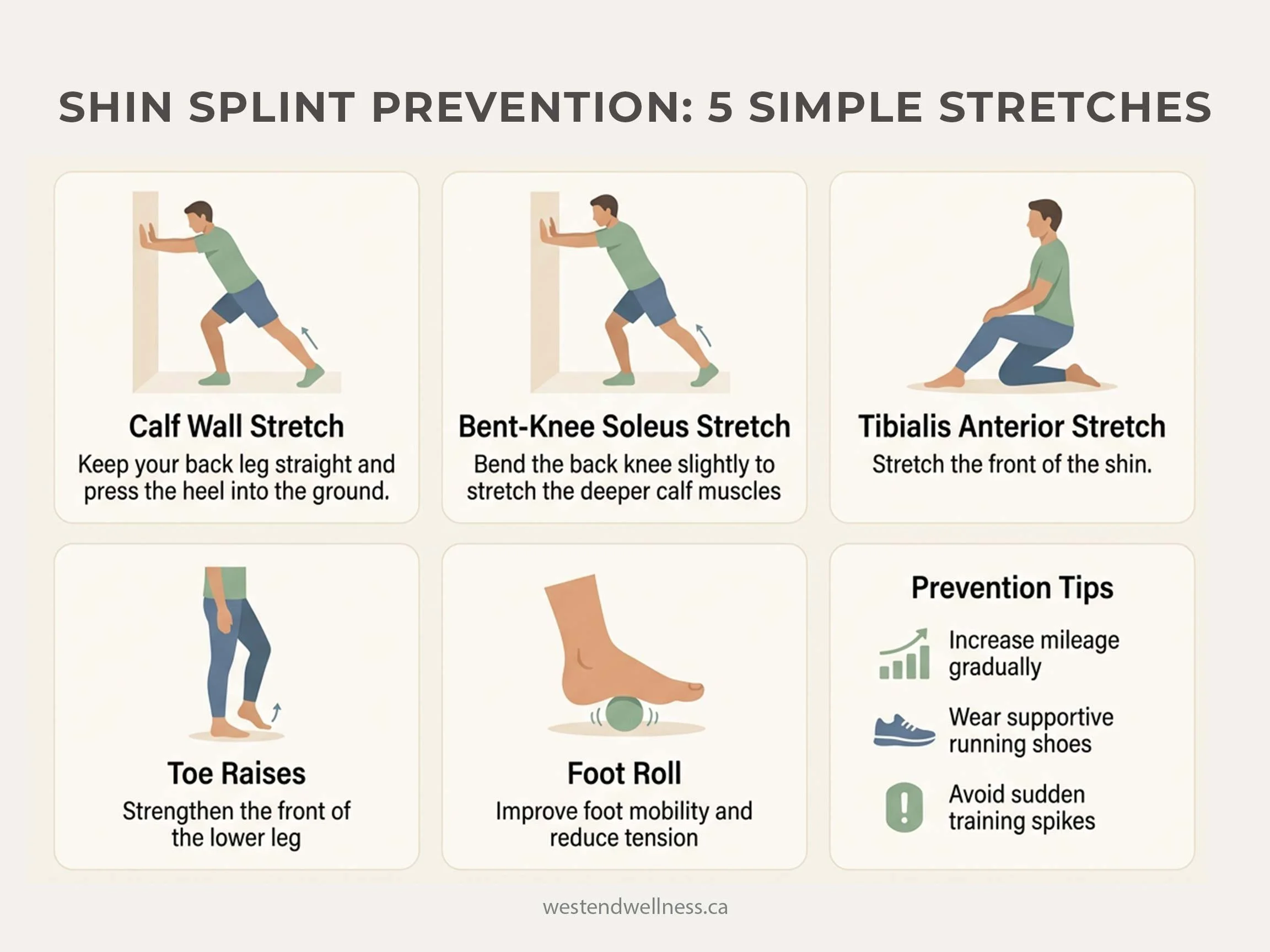
While professional treatment can play an important role in recovery, there are also a few simple habits runners can use at home to help keep their lower legs healthy during training.
These small steps can reduce muscle tension that contributes to shin splints and support better recovery between runs.
Self-Massage for the Calves
Tight calf muscles are one of the most common contributors to shin splints. Using a foam roller or a lacrosse ball can help release built-up tension after runs.
Start by sitting on the floor with the foam roller under your calves. Slowly roll the muscle up and down, pausing at any tight spots for a few seconds. This gentle pressure helps relax the muscle tissue and improve circulation.
Many runners find this especially helpful after long runs or harder training sessions.
The Ice Cup Method
If you notice early signs of shin discomfort, the ice cup method can help calm inflammation.
Fill a small paper cup with water and freeze it. After a run, peel away the top of the cup and gently massage the ice over the sore shin for about 5 to 10 minutes.
The cold temperature helps reduce inflammation, while the circular motion provides a light massage to the irritated tissue.
Check Your Running Shoes
Footwear plays a bigger role in shin splints than many runners realize.
Over time, the cushioning and support in running shoes break down, which can increase stress on the lower leg with each step. Most running shoes should be replaced roughly every 500–700 kilometres, depending on the model and your running style.
If shin pain starts appearing during training, it’s often worth checking the wear pattern on your shoes or visiting a running store for a quick gait assessment.

Dealing with an injury that just won’t heal? This article explains how massage therapy supports recovery by improving circulation, reducing inflammation, and breaking down scar tissue.
Frequently Asked Questions
Can you still run with shin splints?
It depends on the severity. Mild shin splints may allow light running if the pain decreases during activity and doesn’t worsen afterward. However, continuing to run through significant pain can worsen the injury and increase the risk of stress fractures.
Many runners benefit from temporarily reducing mileage while focusing on recovery strategies like stretching, massage therapy, and proper footwear.
How do I know if I have shin splints or something more serious?
Shin splints typically cause a dull, aching pain along the inner edge of the shin bone, especially during or after running. The area may feel tender to the touch.
If the pain becomes sharp, localized in one small spot, or continues even while resting, it may indicate a more serious condition, such as a stress fracture. In those cases, it’s best to consult a healthcare professional for proper evaluation.
How long do shin splints take to heal?
Recovery time varies depending on how early the condition is addressed. Mild shin splints may improve within a few days to a couple of weeks with rest, stretching, and reduced training load. More persistent cases may take several weeks to fully resolve.
Supporting recovery with proper training adjustments, mobility work, and therapies like Registered Massage Therapy (RMT) can help reduce muscle tension and support healing.
Can massage therapy help prevent shin splints?
Yes. Massage therapy can help reduce tightness in the calf muscles and surrounding connective tissues, which are common contributors to shin splints.
By improving muscle flexibility, circulation, and ankle mobility, regular massage can support healthier running mechanics and reduce the likelihood of overuse injuries during training.
Many runners use massage as part of their recovery routine during periods of increased mileage.
Stay Strong Through Your Sun Run Training
Training for the Vancouver Sun Run takes commitment. Early morning runs, weekend long distances, and gradually building mileage are all part of preparing for race day.
But the kilometres you run are only part of the process. Recovery plays just as important a role in keeping your body strong throughout the training season.
Shin splints are one of the most common injuries runners face, often appearing when the muscles of the lower leg become tight, fatigued, or overloaded. Paying attention to early warning signs and supporting your body with proper recovery can help prevent small aches from turning into something that interrupts your training.
You’ve already put in the effort to prepare for race day. Taking care of your muscles along the way can help ensure that work pays off when you reach the starting line.
If you’re experiencing early shin discomfort or simply want to keep your legs moving well during training, our team at West End Wellness offers Registered Massage Therapy and acupuncture treatments designed to support runners through their training cycle.
With the right balance of training and recovery, you can focus on what matters most on race day, enjoying the run and crossing the finish line feeling strong.
If you have any further doubts or questions regarding this subject or another treatment, contact one of our experienced Acupuncturists or Registered Massage Therapists here at West End Wellness Clinic. You can either give us a call or make an appointment.
Disclaimer: Please remember this article is for informational purposes only and should not replace professional medical advice. Please consult a healthcare provider or someone with the correct qualifications before starting any new exercise or treatment program.