
Mindful Movement
Practice good posture and take regular breaks

Table of Contents Show
Quick Summary
Sciatica can cause sharp, radiating pain, numbness, or tightness that travels from the lower back down through the leg, making everyday movement uncomfortable. This article explains the best types of massage for sciatica, including how techniques like deep tissue massage, trigger point therapy, and myofascial release help reduce pressure around the sciatic nerve.
You will learn why muscle tension in the lower back, glutes, and hips often contributes to sciatica symptoms and how targeted massage can support relief. If nerve pain has been disrupting your routine, this guide helps you understand how massage therapy can support recovery and improve mobility.
Sciatica pain often caused by tight hip and glute muscles.
Massage reduces muscle tension pressing on the sciatic nerve.
Deep tissue and trigger point therapy release stubborn glute knots.
Improved circulation and mobility help calm nerve irritation.
Combining massage with posture and stretching prevents flare-ups.
Massage therapy helps relieve sciatica by reducing tension in muscles around the sciatic nerve, especially the piriformis and surrounding hip structures, improving mobility and circulation so pressure on the nerve decreases.
If you’ve ever felt a sharp, electric pain run from your lower back down your leg, you know how disruptive sciatica can be. Sitting becomes uncomfortable. Standing too long feels risky. Even short walks can turn into a calculation.
When the pain flares up, most people reach for whatever promises fast relief. Medication may help in the short term, but it doesn’t always address why the pain is happening in the first place.
Sciatica is one of the most common causes of lower back and leg pain. It occurs when the sciatic nerve becomes irritated or compressed, causing symptoms such as sharp pain, tingling, numbness, or weakness that can travel from the lower back through the hip and down the leg.
Because muscle tension often contributes to that pressure, many people start wondering what the best type of massage for sciatica might be. Massage therapy can help relieve symptoms by relaxing tight muscles, improving circulation, and reducing pressure around the sciatic nerve.
As registered massage therapists at West End Wellness, we frequently see sciatica, especially among people who sit for long hours, commute daily, or experience ongoing tension in the hips and lower back. In many cases, the problem isn’t the nerve itself, but the muscles surrounding it that place pressure where they shouldn’t.
Massage therapy focuses on those surrounding structures. The goal isn’t to “fix” the nerve directly, but to reduce tension, restore movement, and create the conditions your body needs to calm the irritation and begin recovering.
If you’re dealing with recurring or stubborn sciatic pain, understanding how massage therapy fits into treatment can help you decide whether it’s the right next step.
Sciatica is a term used to describe pain that travels along the sciatic nerve. This nerve is the largest nerve in the body. It starts in the lower back, passes through the hips and buttocks, and runs down the back of each leg.
When this nerve becomes irritated or compressed, it can produce symptoms that differ markedly from typical muscle soreness. People often describe sciatica as a sharp or burning pain that radiates from the lower back into the hip and down the leg. Others notice tingling, numbness, or weakness in the affected leg.
Several conditions can lead to sciatic nerve irritation. A herniated disc in the lower spine is one of the most common causes. Tight muscles in the hips or buttocks can also play a role, particularly the piriformis muscle, which sits close to the sciatic nerve. When this muscle becomes tight or inflamed, it can place pressure on the nerve and trigger pain that travels down the leg.
Lifestyle factors often contribute as well. Long hours of sitting, limited movement during the day, and ongoing tension in the hips or lower back can all increase the likelihood of sciatic nerve irritation.
Because muscles and connective tissues around the hips and lower back can influence the amount of pressure the nerve experiences, treatments that focus on these areas are often helpful. This is where massage therapy can play an important role, especially when the goal is to reduce muscle tension and improve how the surrounding structures move and function.
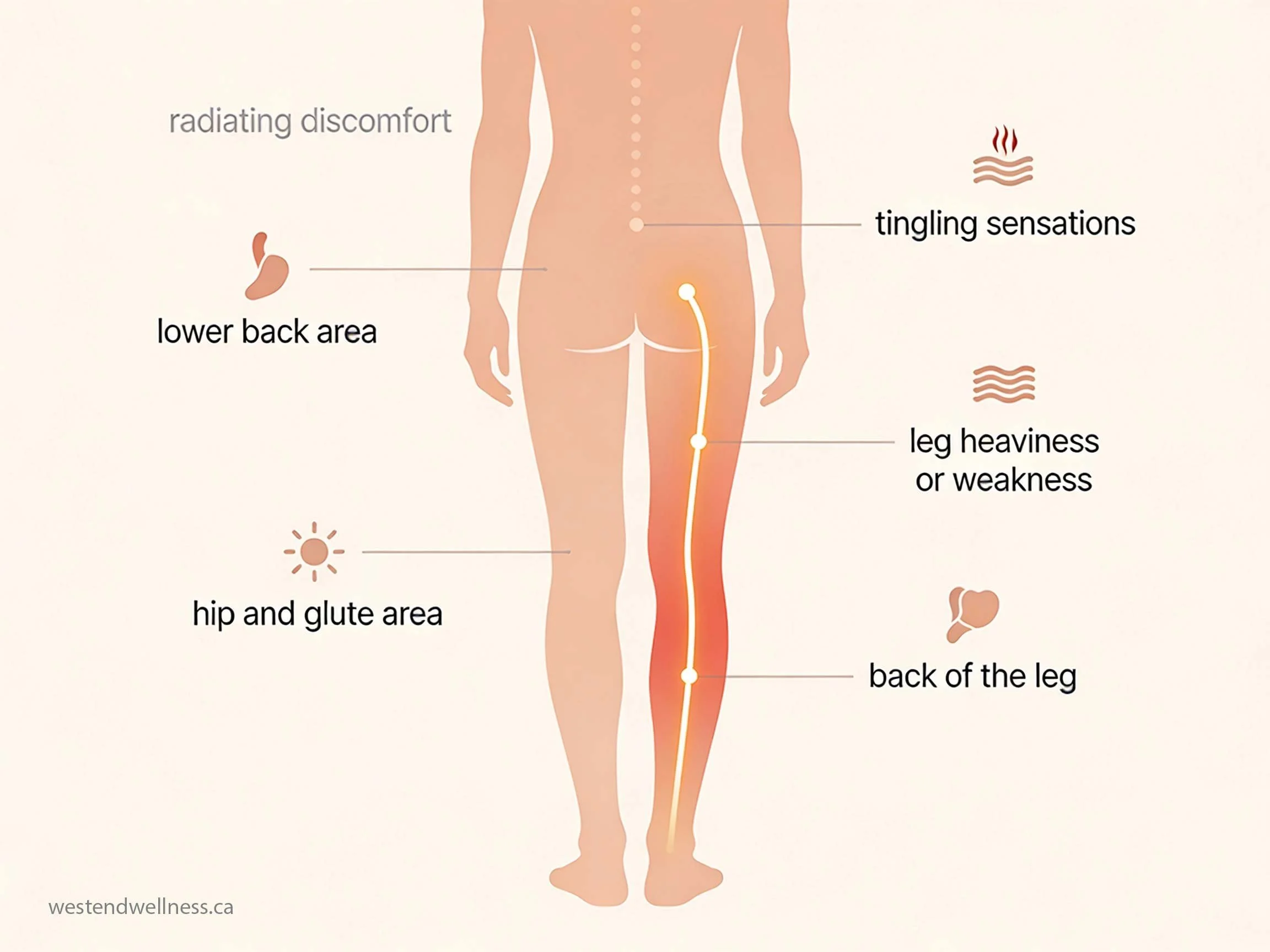
Sciatica symptoms can vary from mild irritation to severe pain that makes everyday movement difficult. In most cases, the symptoms affect only one side of the body and follow the path of the sciatic nerve from the lower back through the hip and down the leg.
The most common symptom is a sharp or burning pain that starts in the lower back or buttocks and travels down the back of the leg. Some people describe the sensation as electric or shooting, especially when standing up, bending forward, or moving suddenly.
Other common symptoms of sciatica include:
Pain that spreads from the lower back or hip down the thigh and sometimes into the calf or foot.
A prickling sensation that often appears in the leg or foot.
Some people notice reduced feeling or a sense that part of the leg feels dull or asleep.
The affected leg may feel weaker, especially when lifting the foot or standing for long periods.
Sciatic pain can also change throughout the day. Sitting for long periods, driving, or standing in one position for too long can often worsen symptoms. Gentle movement or stretching sometimes provides temporary relief.
Because several conditions can irritate the sciatic nerve, identifying the underlying cause is important for choosing the right treatment. When muscle tension around the hips or lower back contributes to nerve pressure, massage therapy can often help reduce that tension and relieve symptoms.
Sciatica is not actually a condition on its own. It is a symptom. The sharp, radiating pain people feel happens when the sciatic nerve becomes irritated or compressed somewhere along its path.
Many people assume the problem is always coming directly from the spine. In reality, the muscles around the nerve often play an important role.
One muscle we frequently discuss in the clinic is the piriformis. This small but powerful muscle sits deep in the hip, very close to where the sciatic nerve passes. When the piriformis becomes tight, overworked, or irritated, it can compress the nerve and trigger pain that travels down the leg. This is often referred to as piriformis-related sciatica.
Prolonged sitting, poor posture, uneven movement patterns, or guarding from lower back pain can all cause this muscle to tighten. Over time, that tension can reduce the space around the nerve and make symptoms flare up during everyday activities such as sitting, walking, or standing up from a chair.
This is where massage therapy for sciatica can be helpful. Instead of working directly on the nerve, massage focuses on reducing tension in the surrounding muscles, particularly in the hips, glutes, and lower back. As these areas begin to relax and move more freely, pressure on the nerve may decrease and symptoms can begin to settle.
Not all cases of sciatica are caused by muscle tension. However, when soft tissue restriction is part of the problem, addressing it directly often makes a noticeable difference in how the pain behaves.
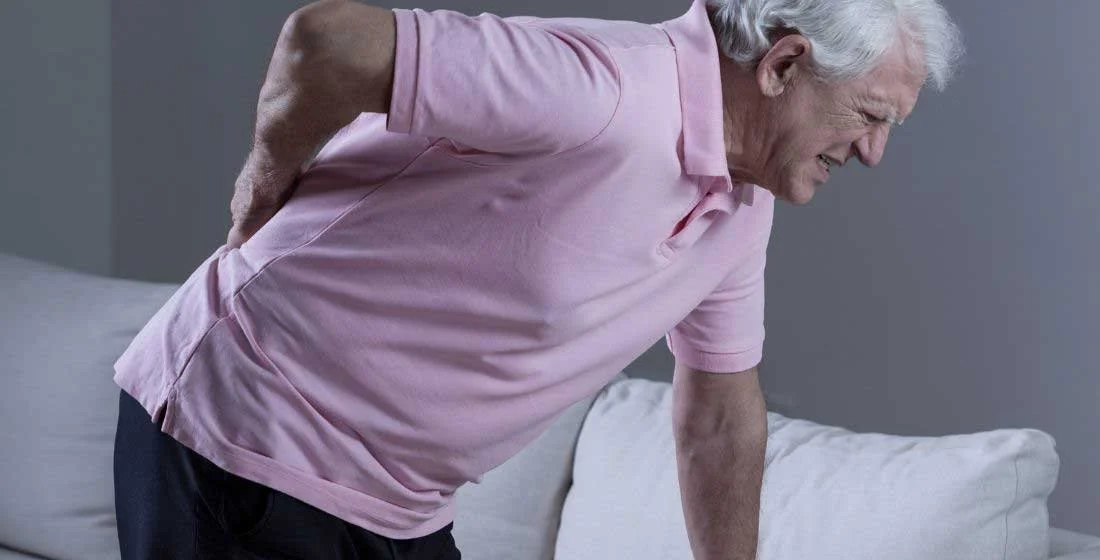
Preventing sciatica is about nurturing your body and creating an environment where your nervous system can thrive. While we can't always avoid every trigger, we can significantly reduce the risk and severity of sciatica flare-ups. Here are some holistic approaches to keep your sciatic nerve happy and healthy:
Practice good posture and take regular breaks
Build core strength and flexibility
Maintain a healthy weight to reduce stress on your spine
Drink plenty of water to maintain spinal disc health
Practice stress-reduction and mindfulness
Use supportive bedding for proper spinal alignment
Engage in low-impact activities to keep moving
Use correct lifting techniques to protect your back
Remember, prevention is a journey, not a destination. It's about creating daily habits that support your overall well-being. By incorporating these practices into your life, you're not just preventing sciatica; you're cultivating a foundation for holistic health that benefits your entire being.
We know that the work does not stop once you leave our clinic. While our hands-on sessions are designed to do the heavy lifting, your daily habits are what truly lock in those results. I always tell my clients that a few minutes of mindful movement each day can prevent that sharp pain from returning.
One of my favourite ways to find relief at home is the seated piriformis stretch because it is easy to do right at your desk. You can try this by crossing your ankle over your opposite knee and leaning forward until you feel a gentle pull in your glute. This movement creates much-needed space for the nerve to breathe. I also recommend a gentle hamstring release to keep the back of your leg from feeling tight and restricted.
If you ever feel stuck or unsure about how these movements should feel, just ask your therapist during your next sciatica massage therapy appointment. We are happy to walk you through a personalized routine that fits your lifestyle.
If you are looking for a guide, then check out this video by Tone and Tighten.
Living with sciatica can make even the simplest activities challenging. The pain can be relentless, whether it's walking, standing, or sitting. Yet the question we hear is, Can you massage out sciatica?
To answer that, we look at those individuals who have found solace in massage therapy, reporting significant improvements in pain management and overall comfort. While massage doesn't address the root cause of sciatica, it can provide much-needed relief and improve your quality of life.
Here's how massage therapy can help alleviate sciatica pain:
Muscle Relaxation: Massage helps relax tense muscles, particularly in your lower back, buttocks, and legs. This relaxation can reduce pressure on the sciatic nerve, potentially decreasing pain and discomfort.
Improved Circulation: Massage manipulates soft tissues, enhancing blood flow to the affected areas. Better circulation means more oxygen and nutrients reach your muscles and nerves, promoting healing and reducing inflammation.
Release of Endorphins: Massage stimulates the release of endorphins, your body's natural pain-relievers. These "feel-good" hormones can help reduce pain perception and promote a sense of well-being.
Increased Flexibility: Regular massage can help improve flexibility in your lower back and hips, potentially reducing strain on the sciatic nerve and surrounding tissues.
Stress Reduction: Chronic pain often leads to increased stress, which can, in turn, exacerbate the pain. Massage helps reduce stress levels, breaking this cycle and promoting overall relaxation.
When seeking massage for sciatica relief, consider these tips:
Communicate clearly with your massage therapist about your condition and areas of pain.
Start with gentle techniques and gradually increase intensity as your body responds positively.
Combine massage with other holistic approaches like stretching and proper posture for best results.
Stay hydrated before and after your massage sessions to help flush out toxins.
Listen to your body – if a particular technique causes increased pain, inform your therapist immediately.
At West End Wellness, registered massage therapists frequently treat sciatica by addressing tight muscles in the hips, glutes, and lower back. Treatment may include deep tissue massage, trigger point therapy, and movement-focused techniques designed to reduce pressure around the sciatic nerve.
The list is endless when it comes to finding the correct form of massage therapy to help reduce pain. However, since there isn’t much evidence that one type of massage is more beneficial than the other, it all comes down to your preference.
Let’s check out some of the most popular massage therapies:


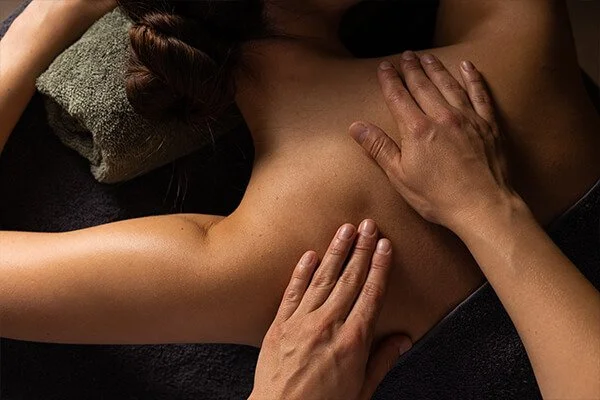

Deep Tissue Massage - A focused and profound massage that uses slow strokes and deep finger pressure to release tension from your muscles and connective tissues.
Swedish Massage—This massage therapy uses less pressure than deep tissue massage and more flowing and kneading movements to stimulate nerve endings.
Myofascial Release - Myofascial release is a technique used to relieve pain stemming from your myofascial tissues — the tough membrane surrounding and supporting your muscles.
Hot Stone Massage - Used to promote relaxation and ease your tense muscles by placing warm stones on your back and down the spine.
When you are dealing with that sharp shooting pain, you want to know exactly which treatment will actually make a difference. Not every massage is the same when it comes to nerve relief.
Our team often uses deep tissue massage to reach the stubborn muscle layers pressing on your sciatic nerve. We also find that Trigger Point Therapy is incredibly effective at releasing the specific knots in your glutes that cause referred pain.
By incorporating Registered Massage Therapy into your routine, we can focus on Myofascial Release to give those nerves breathing room. It is all about finding the right approach to sciatica massage therapy to restore your mobility.

When treating sciatica, massage therapy does not focus on the nerve itself. Instead, treatment targets the muscles and soft tissues surrounding and influencing the sciatic nerve. When these areas become tight or restricted, they can increase pressure on the nerve and contribute to pain that travels down the leg.
Several key muscle groups are commonly addressed during massage therapy for sciatica.
The piriformis is a small muscle located deep in the hip. It sits very close to the sciatic nerve, and in some people the nerve even passes through the muscle. When the piriformis becomes tight or irritated, it can compress the nerve and trigger pain that radiates through the buttock and down the leg.
The gluteal muscles help support the hips and stabilize the pelvis during movement. When these muscles become tight or develop trigger points, they can contribute to tension around the sciatic nerve and increase discomfort in the hip and leg.
Muscles in the lower back, including those that support the spine, can also contribute to sciatic pain when they become tense or overworked. Releasing tension in this area may help reduce strain on the surrounding structures and improve mobility.
Because the sciatic nerve travels down the back of the leg, tightness in the hamstrings can sometimes increase pulling forces along the nerve pathway. Massage therapy can help improve flexibility and circulation in this region, which may reduce irritation and improve overall movement.
By addressing these key areas, massage therapy helps reduce muscular tension, improve circulation, and create more space around the sciatic nerve. For many people, this combination helps ease symptoms and supports better movement during daily activities.
In the early stages of treatment, many people benefit from massage therapy once a week or every two weeks. This helps reduce muscle tension and calm the irritation around the sciatic nerve. As symptoms improve, sessions can usually be spaced further apart and used as part of a maintenance plan to help prevent flare-ups.
Massage therapy should always stay within your comfort level. While we sometimes work into deeper muscles to relieve tension, the goal is never to create more pain or muscle guarding. Communication is important during treatment. If anything feels too intense, your therapist can adjust the pressure or technique so the work remains effective and comfortable.
Massage therapy can be very helpful for managing sciatica symptoms, especially when muscle tension in the hips, glutes, or lower back is contributing to nerve irritation. However, sciatica can have several different causes. Massage is often one part of a broader treatment approach that may also include improving posture, movement habits, and strengthening the surrounding muscles to reduce the chances of the pain returning.
The best type of massage for sciatica often depends on what is causing the irritation around the sciatic nerve. Techniques such as deep tissue massage, trigger point therapy, and myofascial release are commonly used to reduce tension in the hips, glutes, and lower back. A registered massage therapist can assess which muscles are contributing to the problem and choose techniques that best support relief.
Massage therapy should not make sciatica worse when it is performed carefully and adjusted to your comfort level. In some cases, the surrounding muscles may feel slightly tender after treatment, especially if they were very tight before the session. However, the goal of massage is to reduce tension around the sciatic nerve, not increase irritation. An experienced therapist will adjust pressure and techniques based on how your body responds.

If you're wondering whether massage therapy can do more than just help you relax, this article is for you. Learn how massage supports recovery from common issues like back pain, stress, headaches, sports injuries, and poor posture.
Sciatica can make everyday activities uncomfortable, but the right treatment can often make a meaningful difference. As we have discussed, the pain is often related to irritation of the sciatic nerve, and in many cases, tight muscles in the hips, glutes, and lower back play a significant role.
This is why massage therapy is commonly used as part of a sciatica treatment plan. Techniques such as deep tissue massage, trigger point therapy, and myofascial release can help reduce tension in the muscles surrounding the nerve and improve the area's movement and function. When the pressure around the nerve decreases, symptoms often become easier to manage.
Because every case of sciatica is different, the best type of massage for sciatica will depend on the underlying cause of the irritation and how your body responds to treatment. A registered massage therapist can assess the surrounding muscles, identify areas of tension, and choose techniques that support recovery.
If you are dealing with ongoing sciatic pain, working with an experienced therapist can help you better understand the cause of your symptoms and explore treatment options that support long-term relief.
If you have any further doubts or questions regarding this subject or another treatment, contact one of our experienced Acupuncturists or Registered Massage Therapists here at West End Wellness Clinic. You can either give us a call or make an appointment.
Disclaimer: Please remember this article is for informational purposes only and should not replace professional medical advice. Please consult a healthcare provider or someone with the correct qualifications before starting any new exercise or treatment program.
Anny Kyun is a registered acupuncturist and the owner of West End Wellness in Vancouver. She specializes in the Kiiko Matsumoto Style (KMS) of Japanese acupuncture, a method she has practiced since 2011. KMS emphasizes diagnosis through palpation, primarily on the abdomen and limbs, allowing for immediate feedback and tailored treatments. This approach focuses on addressing the root causes of health issues rather than merely alleviating symptoms, utilizing shallow, painless needling techniques with the smallest gauge needles.
Anny's journey into acupuncture was inspired by her grandfather, a lifelong acupuncturist who passed down his knowledge to her. Her practical experience includes treating thousands of patients while working abroad on luxury cruise ships. She holds a Bachelor of Science degree in Cell Biology and Genetics from the University of British Columbia and studied Chinese Medicine at the International College of Traditional Chinese Medicine of Vancouver (ICTCMV). Anny is registered with the College of Traditional Chinese Medicine Practitioners and Acupuncturists of British Columbia.
At West End Wellness, Anny offers personalized care in a serene environment, aiming to improve patients' overall well-being through holistic health practices. The clinic provides direct billing to most health benefit plans, making treatments more accessible .