
What Is Whiplash and How Does It Affect Your Body?

Table of Contents Show
Quick Summary
This article explains what whiplash is, how it affects the neck, shoulders, and spine, and what you can do to recover safely and naturally. It covers common symptoms, a realistic healing timeline, and both self-care tips and professional treatments like massage therapy and acupuncture.
Readers will learn how ICBC coverage supports recovery and why early treatment is key to preventing long-term pain. The goal is to help Vancouver residents feel informed, supported, and confident in their healing journey.
TL;DR – What Is Whiplash?
Whiplash happens when your neck suddenly snaps back and forth.
Common after car accidents, especially rear-end collisions.
Symptoms include neck pain, stiffness, headaches, and dizziness.
Early massage or acupuncture helps prevent chronic pain.
ICBC coverage supports recovery with direct-billed treatments.
If you live in Vancouver, chances are you’ve either been in a fender bender yourself or know someone who has. The city’s mix of rainy days, tight streets, and constant stop-and-go traffic makes minor collisions almost inevitable. What often follows, sometimes hours or even days later, is that deep, nagging ache in your neck and shoulders.
That’s whiplash.
But here’s the thing: whiplash isn’t just “a sore neck.” It’s a real injury that can leave you dealing with headaches, stiffness, fatigue, and even trouble concentrating. And while it might not look serious from the outside, anyone who’s felt that lingering tightness knows how much it can interfere with sleep, work, and daily life.
At West End Wellness, we’ve seen how discouraging it can feel when pain lingers after an accident. The good news? With the right care, such as massage therapy, acupuncture, and other early treatments covered by ICBC & Direct Billing, you can help your body heal naturally and regain mobility more quickly.
This article explains what whiplash is, its effects on the body, and the most effective ways to recover from it. Whether your injury just happened or it’s been bothering you for weeks, you’ll find practical, local advice to help you feel better and move freely again.
What Does It Mean If You Get Whiplash?
Whiplash occurs when your neck moves back and forth rapidly, typically following a car accident or other sudden impact. Picture the way your head snaps forward and back when another car bumps yours from behind. That sudden motion strains the muscles, ligaments, and joints in your neck, leaving them tight and sore.
Most people feel it as stiffness or pain in the neck and shoulders, but symptoms can spread to the upper back, arms, and even the head. Headaches, dizziness, and fatigue are also common. Some people notice the pain right away, while others wake up the next morning wondering why everything hurts.
According to the Cleveland Clinic, whiplash can also cause sensitivity, limited mobility, and trouble concentrating, especially when inflammation develops. For many in Vancouver, these symptoms make simple things like checking a mirror while driving or sitting at a desk for hours uncomfortable.
That is where early care really matters. Gentle movement, rest, and professional treatments such as Registered Massage Therapy can help reduce tension before it turns into chronic pain. At West End Wellness, we often see how quick attention after a minor accident leads to faster healing and fewer long-term issues.
Common Symptoms of Whiplash
After a car accident or sudden impact, symptoms of whiplash don’t always show up right away. Some people feel fine at first, only to wake up the next morning with stiffness or pain that seems to spread throughout their body. Paying attention to how your body feels in the hours and days that follow can make a big difference in how quickly you recover. If you notice any of the following symptoms, it may be a sign that your neck and surrounding muscles need care and support.
-
The most common symptom. Often feels like deep aching or tightness that worsens with movement.
-
Limited range of motion caused by muscle tension or joint strain. Turning your head may feel restricted.
-
Usually start at the base of the skull and can spread to the forehead or temples.
-
Some people experience blurred vision, brain fog, irritability, or fatigue after impact. These symptoms often overlap with mild concussion effects.
-
Can result from muscle tension or inner ear disturbance related to the sudden head movement.
-
Pain may spread from the neck into the shoulders or upper back as muscles work to stabilize the area.
-
Even though the injury is in the neck, the sudden motion can also affect the spine and lower back muscles.
-
Caused by nerve irritation or compression from tight neck muscles.
What Does Whiplash Actually Do to Your Body?
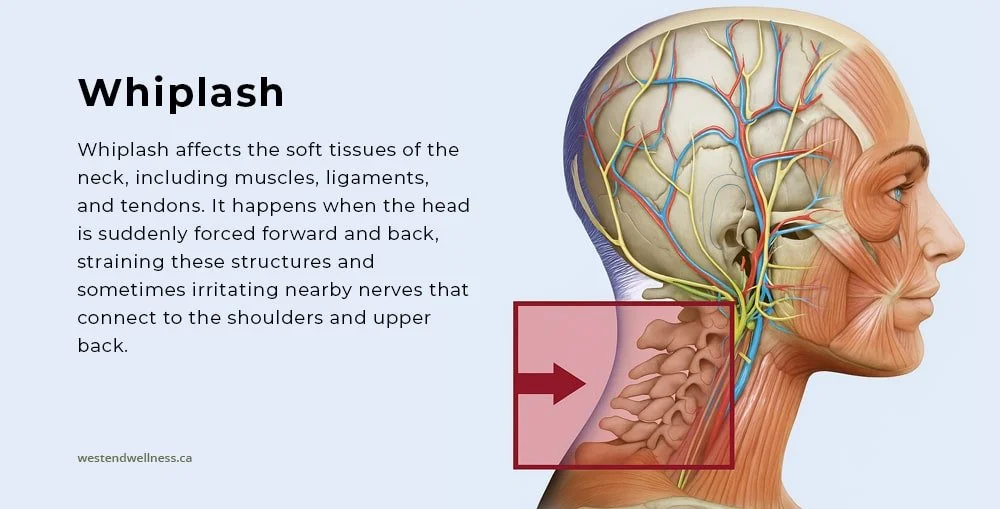
When you get whiplash, your body’s first reaction is to protect itself. Muscles around your neck and shoulders tighten up instantly, like a reflex. This built-in response helps prevent further injury, but it can also leave you feeling stiff, sore, and limited in how far you can turn your head.
Inside the neck, small tissues called ligaments and tendons can stretch or even tear from the sudden motion. Inflammation sets in as your body works to repair the damage, which can lead to that deep, aching pain that often feels worse at night or first thing in the morning. The Mayo Clinic notes that these symptoms can sometimes spread to the shoulders, arms, or upper back if nerves become irritated.
Over time, tight muscles can affect posture and even cause headaches. Many people describe it as a constant heaviness that wears them down both physically and mentally. It’s not just pain — it’s the way it slows you down in everyday life.
At West End Wellness, we’ve seen how targeted treatments can make a difference. One of our clients, Mark, came in with chronic back pain that made even sitting at his desk uncomfortable. After a few deep tissue sessions with our RMTs, he felt more movement and less strain each week. Within a month, he was back to playing with his kids on the floor again. That same approach, restoring motion, easing tension, and rebuilding confidence in your body, is exactly what helps our clients recover from whiplash, too.
How Long Will Whiplash Last?
Every case of whiplash is different, but recovery usually follows a general pattern. Some people bounce back within a few weeks, while others need more time and care. Here’s what a typical healing timeline might look like:
-
The neck feels sore and tight, and small movements like turning your head or looking down can trigger sharp pain. Ice, gentle rest, and light movement are key during this stage to keep the area from stiffening further.
-
Pain often begins to ease, though you might still feel tension around the shoulders and upper back. Many people notice headaches or fatigue at this point. This is a good time to start gentle treatments such as Acupuncture in Downtown Vancouver or light massage therapy to promote circulation and reduce inflammation.
-
Most people regain better movement and notice their energy returning. Any remaining soreness usually improves with consistent care, proper posture, and home exercises. Regular sessions with a Registered Massage Therapist or Acupuncturist can help prevent lingering stiffness from becoming chronic pain.
-
If discomfort continues or new symptoms appear, it’s a sign your body may need extra attention. Long-term tension or nerve irritation can develop if early pain was ignored. At this stage, deeper therapeutic work and follow-up assessments can help identify what’s keeping your body from fully recovering.
Whiplash can take longer to heal when stress, poor sleep, or daily habits like sitting at a desk all day add to the strain. That’s why early, consistent care makes such a difference. The goal is not just to feel better for a day but to restore lasting comfort and confidence in your body.
How Do You Fix Whiplash?
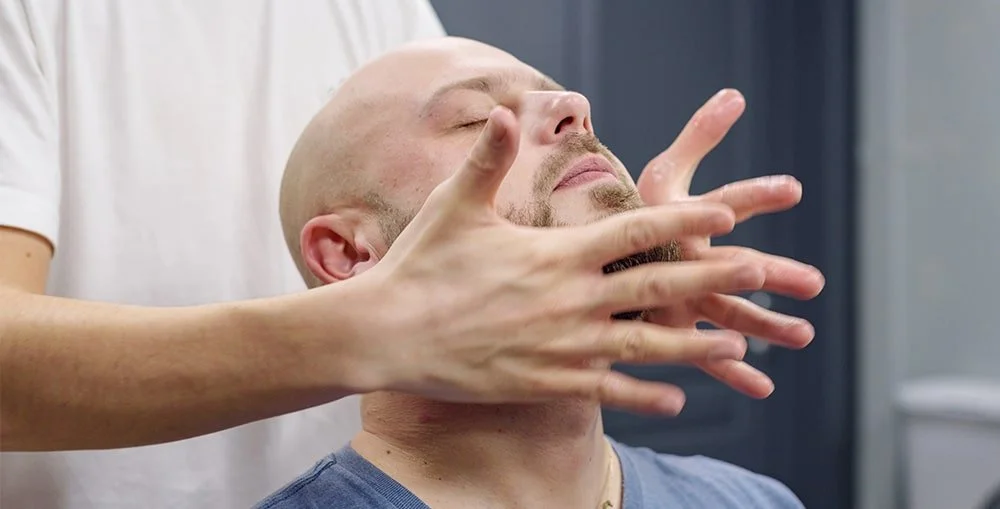
Recovering from whiplash takes time, patience, and the right kind of care. Your body already knows how to heal. The goal is to support that process through both professional treatments and small, consistent habits at home.
In-Clinic Care
Massage therapy helps relax tight muscles, improve circulation, and restore movement in the neck and shoulders. Our RMTs work gently but effectively, focusing on areas that hold the most tension. The result is less pain, more flexibility, and a sense of relief that often lasts beyond the session.
Acupuncture can help calm inflammation and encourage the body’s natural healing response. Many clients find it reduces headaches, nerve pain, and stress that often appear after an accident. Treatments are customized to your needs and comfort level so that you leave feeling grounded and balanced.
For deeper or more stubborn pain, techniques such as Neuromuscular Massage Therapy or Trigger Point Therapy can target the root cause of muscle tension. If your injury was from a car accident, these treatments may also be covered through ICBC.
Self-Care at Home
Keep moving gently. Light stretching and slow neck rotations help maintain flexibility.
Apply heat after the first few days. Warm compresses can ease lingering stiffness once swelling has gone down.
Stay mindful of posture. Support your neck while sitting or working at a desk. Adjust your screen height so you are not looking down for long periods.
Rest and hydrate. Quality sleep and water both help your muscles recover faster.
Track your progress. If pain or stiffness lasts longer than a few weeks, book an appointment with a professional for a proper assessment.
At West End Wellness, we often remind clients that whiplash recovery is not just about getting rid of pain but restoring confidence in movement. With steady care, both in the clinic and at home, the body can heal stronger than before.

Frequently Asked Questions
Does ICBC pay for whiplash?
Yes. If your whiplash injury resulted from a motor vehicle accident in British Columbia, ICBC will usually cover treatments such as registered massage therapy, acupuncture, physiotherapy, and chiropractic care. You do not need pre-approval to start treatment. Once you have a claim number, you can book directly, and our ICBC & Direct Billing process takes care of the paperwork for you.
What are the 4 stages of whiplash?
Whiplash often follows a predictable pattern:
Initial impact: The neck snaps forward and back, straining muscles and ligaments.
Inflammation: Soreness, swelling, and stiffness set in within the first few days.
Repair: The body begins to heal tissues, though tightness and limited motion may remain.
Recovery: With the right care, movement returns, and pain eases over several weeks.
Proper treatment at each stage helps prevent chronic pain and speeds up full recovery.
At what speed does whiplash occur?
Whiplash can happen at speeds as low as 8 to 12 km/h. Even a light rear-end bump can cause the neck to snap suddenly enough to strain soft tissues. The severity depends less on speed and more on factors like body position, seat height, and whether your headrest was adjusted properly.
How to get assessed for whiplash?
Start by booking an appointment with a healthcare provider such as an RMT, Acupuncturist, or physician. They will review your symptoms, range of motion, and pain patterns to determine the extent of your injury. If you have an ICBC claim, bring your claim number to your first visit so treatment can begin right away. You can contact West End Wellness to schedule an assessment or learn about coverage options.

Whether you’re managing whiplash, back pain, or lingering tension, early treatment helps you recover faster and feel stronger. Discover how to maximize your ICBC coverage and regain your sense of well-being with our latest article.
When to Seek Professional Care
Mild soreness after a small accident can sometimes fade on its own, but if your pain lingers or worsens, it’s time to get checked. Ignoring symptoms for too long can lead to stiffness, recurring headaches, or nerve irritation that takes longer to resolve.
You should consider booking an appointment if you notice:
Pain or tightness that lasts more than a few days
Numbness, tingling, or weakness in your arms or hands
Difficulty turning your head or looking over your shoulder
Headaches that start at the base of your skull
Dizziness, fatigue, or blurred vision
Seeking help early does not just prevent long-term issues. It also helps you recover faster and more comfortably. Our RMTs and Acupuncturists are trained to assess your symptoms, identify problem areas, and guide you toward the right care plan.
For those recovering from a car accident, you can access covered treatments through ICBC & Direct Billing. It’s one less thing to worry about while you focus on getting better.
If your pain has not improved within a couple of weeks, reach out to our team in Vancouver’s West End. We can help you understand what your body needs and design a recovery plan that fits your lifestyle and comfort level.
Final Thoughts
Whiplash can feel discouraging, especially when pain lingers longer than expected. The key takeaway is that early care makes all the difference. Simple steps like gentle movement, good posture, and staying mindful of how your body feels can help, but pairing these with professional treatments speeds recovery and prevents chronic tension from setting in.
At West End Wellness, we’ve seen how personalized massage therapy and acupuncture help people in Vancouver get back to their daily routines with less pain and more confidence. Whether your symptoms began after a recent fender bender or have been building over time, our team is here to support your healing every step of the way.
If you think you may have whiplash or are still feeling sore weeks after an accident, it’s worth getting checked. Book your appointment today through our online booking page or contact our team to learn more about ICBC-covered care and how we can help you move comfortably again.
If you have any further doubts or questions regarding this subject or another treatment, contact one of our experienced Acupuncturists or Registered Massage Therapists here at West End Wellness Clinic. You can either give us a call or make an appointment.
Disclaimer: Please remember this article is for informational purposes only and should not replace professional medical advice. Please consult a healthcare provider or someone with the correct qualifications before starting any new exercise or treatment program.