
How Acupuncture Helps You Thrive: Is It Right for You?
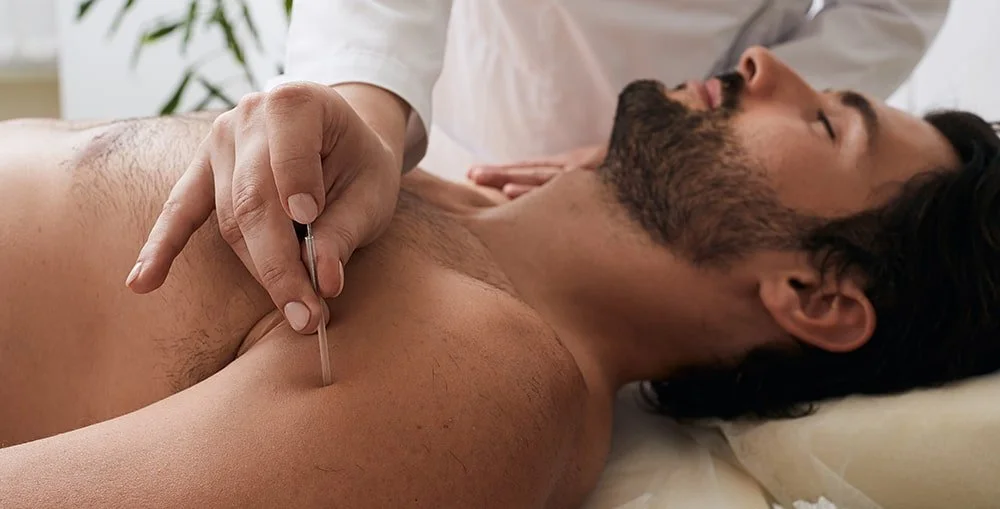
Table of Contents Show
Quick Summary
Feeling tense, worn out, or just not like yourself lately? You’re not alone. Many people in Vancouver reach a point where stress, poor sleep, or ongoing aches start to pull them away from their usual rhythm. This quick summary gives you a gentle snapshot of how acupuncture can help you feel more grounded, relaxed, and supported.
Let us help by sharing the benefits of acupuncture, how it works, and the common symptoms it can ease, including stress, headaches, muscle tension, and low energy. You’ll also hear what to expect before and after a session, so you can decide if acupuncture is the right next step for your wellbeing.
TL;DR – How Acupuncture Helps You Thrive: A Vancouver Approach to Feeling Better
Acupuncture helps you feel calmer, grounded, and more balanced.
Calms the nervous system, improves circulation, eases muscle tension and pain.
Supports stress, sleep issues, headaches, stiffness, low energy, and hormones.
Simple prep and aftercare: eat, hydrate, skip alcohol, and overexertion.
Gentle treatments, often deeply relaxing, complement other wellness therapies.
If you live in Vancouver, you probably know the feeling of being pulled in a dozen directions at once. Work, commuting, rain-filled weeks, trying to stay active, trying to sleep well. It adds up fast.
At some point, your body starts sending signals that something needs attention. Maybe it shows up as tension in your neck, trouble sleeping, a mood that feels off, or that tired sense that you’re running on empty.
That’s usually when people start looking for something that can help them feel grounded again. Acupuncture has become a trusted option for exactly that. It’s gentle, effective, and surprisingly calming, especially when the rest of life feels anything but calm.
Many of our clients come in not because something feels broken, but because they want to feel like themselves again. If you want a closer look at how treatment works here at the clinic, you can explore our page on acupuncture in downtown Vancouver for more details.
In this article, we’ll walk through how acupuncture works, what it can help with, and what you can expect before and after a session.
The goal is to make things clearer so you can decide if this natural, supportive therapy fits what your body needs right now.
What Is Acupuncture and How Does It Work?
A lot of people come to acupuncture with the same question: how does placing tiny needles help the body feel calmer, looser, and more balanced?
The short answer is that acupuncture works by encouraging the body to reset. It guides your nervous system out of that tense, alert state most of us live in and helps your muscles, circulation, and stress levels settle in a healthier direction.
At its core, acupuncture supports the way your body already tries to heal itself. The needles are placed with care, and your practitioner checks in with you the entire time so you always feel safe and comfortable.
If you want to see how we approach treatment right here in the neighbourhood, you can browse our page on Japanese acupuncture in Vancouver, which offers a gentler style many people love.
How Acupuncture Helps the Body Reset
Acupuncture tends to help in a few key ways:
It calms the nervous system, reducing tension and helping people breathe more easily.
It improves circulation, supporting healing and reducing stiffness.
It encourages tight muscles to let go, especially in the neck, shoulders, back, and jaw.
It helps regulate sleep and mood, which is why many people notice they feel lighter and clearer afterward.
If you prefer medical explanations, the Mayo Clinic has a simple overview of how acupuncture influences the body’s natural processes and pain pathways.
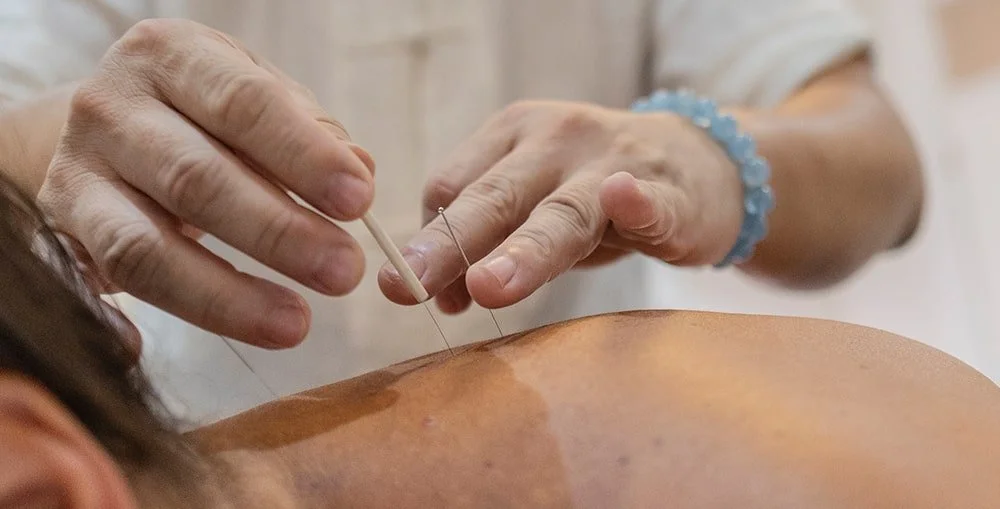
The Real Benefits of Acupuncture for Your Everyday Life.
Most people don’t book acupuncture because they want a long lecture on physiology. They book because something in their daily lives no longer feels right.
Maybe stress keeps building. Maybe sleep has slipped. Maybe their neck feels like it’s been in a knot for weeks. The beauty of acupuncture is that it helps with the real-life stuff that shows up quietly and then refuses to leave.
Below are the benefits clients most often talk about, especially those living and working in downtown Vancouver.
-
Stress is probably the number one reason people walk through our door. The pace of city life, the constant noise, the rain, the tight shoulders from screens. Acupuncture gives the nervous system a chance to slow down so your body can shift out of that wired, clenched state. Clients often describe it as finally being able to exhale.
If your stress shows up physically, you may also find relief with related treatments like trigger point therapy, which can complement acupuncture nicely.
-
Sleep changes everything. When people start sleeping well, they recover faster, think more clearly, and handle life with more ease. Many clients notice they fall asleep faster after their first few acupuncture sessions. Some also find that they wake less during the night.
Sarah, one of our clients, came to acupuncture after years of restless sleep. Within a couple weeks, she described it as feeling like her brain finally found the off switch. That experience is more common than you might think.
If sleep is a major concern for you, you can also explore our blog on acupuncture for insomnia.
-
Tight neck. Sore back. Tension headaches. Jaw gripping. These are some of the most common issues we see. Acupuncture encourages the muscles to soften and the circulation to improve, which often creates a noticeable drop in pain within a few sessions.
People dealing with jaw tension sometimes pair acupuncture with our TMJ focused massage for even stronger results.
-
This is the benefit clients mention quietly, usually after a few sessions. They’ll say they feel lighter, steadier, or more themselves. Acupuncture helps regulate the systems that influence mood and energy, so people often notice a slow but steady shift in how they feel day to day.
What You Should Know Before Your First Acupuncture Session
If you’ve never tried acupuncture before, it’s natural to wonder how to prepare. Most people walk in thinking there’s a long list of rules, but the truth is simple.
A little planning helps you feel more comfortable and gives your body the best chance to respond well.
What Shouldn’t You Do Before Acupuncture?
Here are the basics we share with first-time clients:
Avoid arriving on an empty stomach. A small snack helps keep your blood sugar stable so you don’t feel light-headed.
Skip intense workouts right before your appointment. Your body needs to settle, not be revved up.
Avoid alcohol or anything that overstimulates your system. Acupuncture works better when your body is clear and steady.
Don’t rush in stressed or out of breath. Give yourself a few minutes to land before your session.
Wear loose, comfortable clothing. It makes it easier for your practitioner to access common treatment areas like arms and legs.
People often tell us they feel unsure walking in, then surprised by how calm they feel walking out. The more relaxed you arrive, the easier it is for the treatment to do its job.

What Happens During an Acupuncture Session?
Your first session is usually calmer and simpler than people expect. You’ll start with a conversation about what you’re dealing with, how your body has been feeling, and what you hope to get out of treatment.
Your practitioner will explain everything step by step so there are no surprises. Many clients say this part alone helps them feel more at ease.
Once you’re on the table, the needles are placed gently and thoughtfully. Most people barely feel them. Some notice a soft, heavy sensation or a warm, relaxing wave moving through the area being treated. After the needles are in, you’ll rest quietly while your nervous system settles.
This is the part clients often describe as the highlight of their week.
-
Most treatments hold the needles in place for about fifteen to thirty minutes. The timing depends on what you’re coming in for, how your body responds, and the overall plan your practitioner creates. Some sessions involve shorter timing, others a bit longer. You’re checked on throughout so you always feel comfortable.
-
Yes, for many people it is. A focused twenty minute session can be very effective when the treatment plan is clear and intentional. Longer sessions are used when someone has deeper tension, sleep concerns, long term stress patterns, or multiple areas being treated. Your practitioner will guide the timing based on what your body needs that day.
What to Do After Acupuncture to Get the Most Out of It
Once your session is finished, your body often feels looser, calmer, and a little more open. This is a good sign. Acupuncture encourages your system to shift into a more balanced state, so what you do afterward can help keep that feeling going.
Think of the next few hours as a chance to support the work your body has already started.
What Not to Do After Getting Acupuncture
Here are a few things we recommend avoiding right after a session:
Skip intense workouts for the rest of the day. Your muscles need time to settle into the changes created during treatment.
Avoid alcohol. It can interfere with your body’s natural recovery process.
Don’t overload your schedule. Rushing from place to place can pull your nervous system right back into stress mode.
Avoid skipping meals or water. Your body needs fuel and hydration to integrate the session.
Most clients feel their best when they give themselves a calm evening or at least a little space afterward.
Why You May Hear People Say Not to Shower After Acupuncture
You can shower after acupuncture, but timing matters. A hot shower right away can sometimes reduce the calming effect of the session, especially for people who are more sensitive. Warm water is fine later on, but giving your body an hour or two before stepping into the heat helps the treatment settle more fully.
If your visit was injury-related or part of an ICBC recovery plan, you can read more about how direct billing works on our ICBC and direct billing page
Do You Tip an Acupuncturist?
This is a question people ask quietly at the end of a session because they want to be respectful. The answer is simple. You do not need to tip an acupuncturist. Registered practitioners are healthcare providers, and tipping isn’t expected or required.
If you ever want to show appreciation, a kind review or let a friend know about your experience, it goes much further. It supports your practitioner in a way that feels genuine and keeps care accessible for everyone.
If you’d like to get to know the team providing this care, you can visit our team page
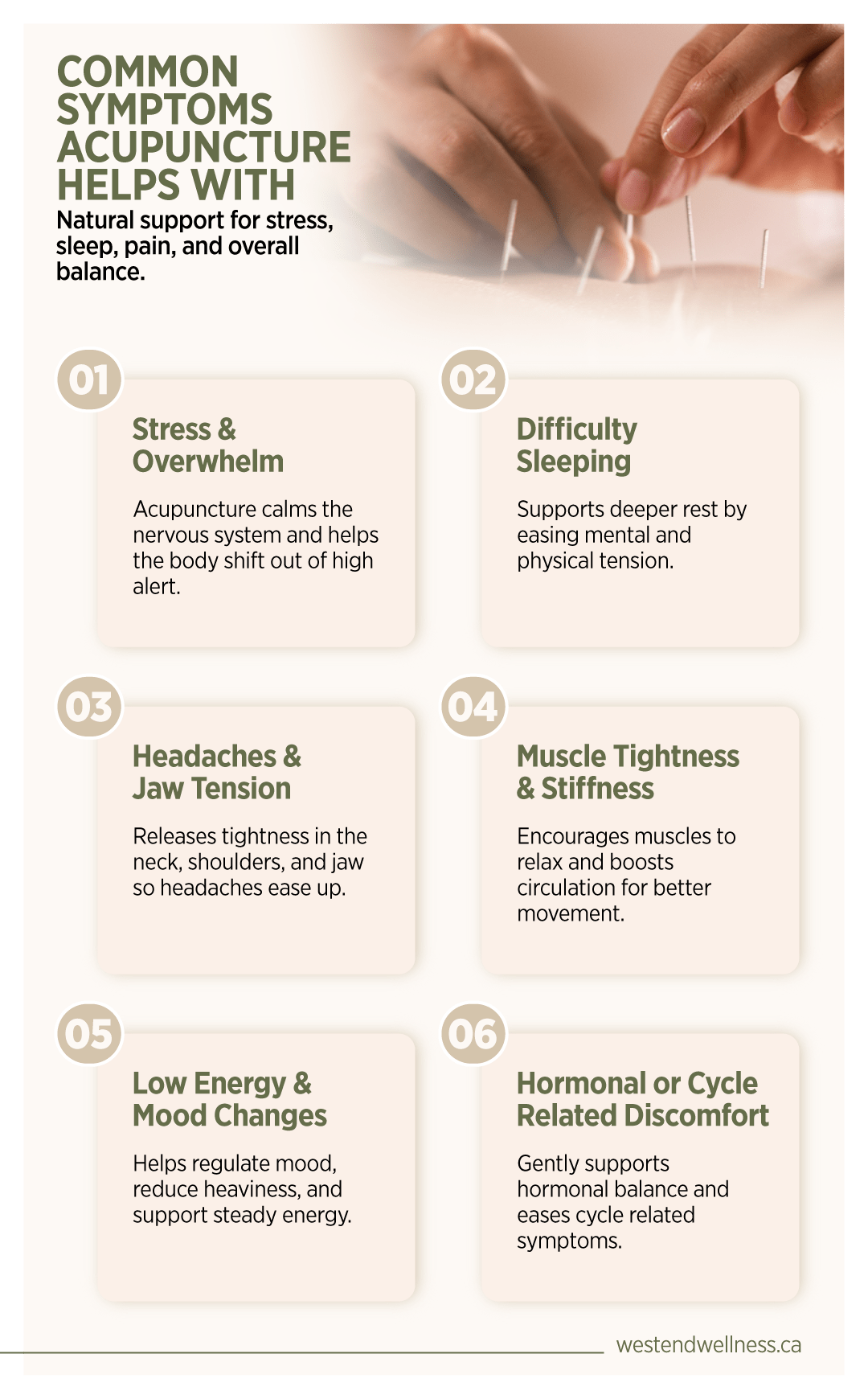
Common Symptoms Acupuncture Helps With
People often try acupuncture because they’re tired of feeling “off” but aren’t sure where to start. The good news is that acupuncture supports a wide range of everyday concerns. It works gently with your body’s natural systems, which is why the results can feel steady and real rather than overwhelming.
Here are some of the symptoms we see most often in the clinic.
-
Acupuncture helps shift the nervous system out of high alert so your body can finally settle. If stress has been keeping you on edge, our blog on natural treatment for anxiety without medicationmay also help you understand why people choose this path.
-
Many clients come in after weeks or months of broken sleep. Acupuncture helps calm racing thoughts and supports deeper rest. If sleep is a major concern, you can explore our article on acupuncture for insomnia for more insight.
-
Tension patterns often build up in the neck, shoulders, and jaw. Acupuncture encourages these areas to ease up so headaches become less frequent. If your jaw is the main issue, our TMJ focused massagecan work well alongside acupuncture.
-
Long hours at a desk, cycling around the city, or even stress can create tight muscles. Acupuncture improves circulation and helps the body release holding patterns. You can learn more about how treatment affects the body in our blog on what acupuncture does internally.
-
Clients often describe feeling lighter or clearer after a few sessions. Acupuncture supports the systems that influence mood, energy, and overall resilience.
-
Acupuncture can help regulate mood swings, cramps, period pains and other cycle-related symptoms by gently supporting hormonal balance.

This article explains how acupuncture enhances the immune system by reducing inflammation, boosting immune cells, and promoting relaxation.
FAQ
Does acupuncture hurt?
Most people are surprised by how gentle it feels. The needles are very thin, and you may notice a soft pressure, a warm wave, or no sensation at all.
What does acupuncture feel like?
People often describe a heavy, relaxing feeling in the area being treated, followed by a sense of calm moving through the body. Many clients feel deeply rested afterward.
How soon will I notice results?
Some people feel a shift right away. Others notice changes over a few sessions as their nervous system settles and tension patterns begin to fade.
How many sessions do most people need?
It depends on what you’re dealing with. Short-term concerns may improve quickly, while long-term stress or pain usually needs a few sessions to build momentum. Your practitioner will guide you based on your goals.
Can acupuncture help if I’m already seeing another healthcare provider?
Yes. Acupuncture often works well alongside massage therapy, physiotherapy, chiropractic care, and counselling. Many clients combine treatments to support their overall well-being.
Is acupuncture safe?
Yes. When performed by a trained and licensed practitioner, acupuncture is considered very safe. Your practitioner uses sterile, single-use needles and follows regulated healthcare standards.
Conclusion: A Calmer, Healthier You Is Completely Within Reach
Acupuncture is one of those therapies you understand best once you feel it for yourself. The calm, the clarity, the sense that your body is finally working with you again. For many people in Vancouver, it becomes a way to stay balanced in a city that never really slows down.
One of our clients, a young professional who had been dealing with tight shoulders and restless sleep for months, came to us feeling worn out and unfocused. After a few sessions, she said she finally felt like she could breathe again. Her tension eased, her sleep improved, and she felt more present in her day.
Stories like hers are common because acupuncture supports the parts of life that stress tends to pull apart.
If something in your body has been asking for attention or you’ve been searching for a natural way to feel better, acupuncture may be exactly what you need. You don’t have to wait for things to get worse before you take a step toward feeling more grounded.
If you’re ready to explore how acupuncture can support your wellbeing, you can book a session with one of our practitioners here: Book your appointment
We’re here to help you move toward a calmer, healthier version of yourself, one session at a time.
If you have any further doubts or questions regarding this subject or another treatment, contact one of our experienced Acupuncturists or Registered Massage Therapists here at West End Wellness Clinic. You can either give us a call or make an appointment.
Disclaimer: Please remember this article is for informational purposes only and should not replace professional medical advice. Please consult a healthcare provider or someone with the correct qualifications before starting any new exercise or treatment program.