
How Acupuncture Works: What Happens to Your Body During Treatment
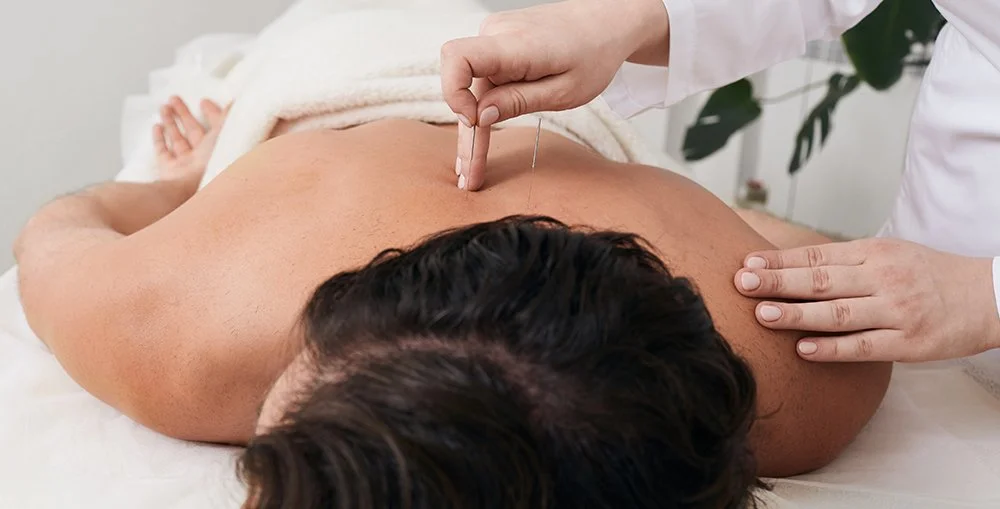
Table of Contents Show
Quick Summary
This article explains how acupuncture works and what happens in your body during treatment. You’ll learn how acupuncture affects the nervous system, improves circulation, supports pain relief, and helps your body shift out of stress.
The article also explains what you may feel during a session, how to recognize early signs of progress, and how soon results typically appear. Whether you’re new to acupuncture or looking for a clearer understanding of the science behind it, this guide offers straightforward explanations and practical insights to help you decide if acupuncture is right for your health.
TL;DR – How Acupuncture Works
Acupuncture helps the body shift out of stress and into a calmer, regulated state
Needles trigger natural pain-relief chemicals and improve local circulation
Sessions often create warmth, heaviness, or a quiet settling feeling
Early signs it’s working include better sleep, easier breathing, and reduced tension
Pain may ease right away or improve steadily over several sessions
The “secret” is not magic but the way acupuncture supports the nervous system
Your body continues adjusting after each treatment, especially in the first 24 hours
Most people notice meaningful progress within three to six sessions
If you live in Vancouver, you know how easy it is for stress to build without you even noticing.
Between long workdays, crowded transit, the constant grey of winter, and the pressure to keep up with everything, your body eventually starts speaking up. Maybe it shows up as tight shoulders, restless sleep, a mood that won’t settle, or pain that hangs around longer than it should.
That’s usually when people start looking for something that feels supportive rather than overwhelming. Acupuncture has become a popular choice for that reason. It’s gentle, grounded in both traditional practice and modern research, and it helps your body shift out of the tension cycle it has been stuck in.
If you’re new to acupuncture, the whole process can feel a bit mysterious. In reality, it’s simply a way of helping your nervous system calm down and your body function the way it’s meant to.
The National Center for Complementary and Integrative Health describes acupuncture as a therapy that influences nerves, connective tissue, and the brain to support pain relief and stress regulation.
And Johns Hopkins Medicine explains that these tiny needles encourage your body to release natural chemicals that help you relax, reduce pain, and restore balance.
In this article, we’ll walk through what acupuncture actually does inside your body, what you may feel during a session, and how you can tell when it’s working.
The goal is simple. Give you a clear, honest picture so you can decide whether this natural therapy fits what your body is asking for.
What Does Acupuncture Do for Your Body?
Acupuncture may look simple on the surface, but a lot is happening inside your body while you rest on the table. Here is a more precise breakdown of the main responses supported by research.
-
When a needle goes in, it gently stimulates nearby nerves. This sends a message to your brain that something needs attention. Johns Hopkins explains that acupuncture influences the areas of the brain involved in stress, pain, and emotional regulation.
This is often the moment people feel their body shift from alertness into a calmer state.
-
Your brain begins releasing natural chemicals like endorphins and serotonin. These help regulate mood, ease discomfort, and create a sense of calm. The National Center for Complementary and Integrative Health highlights these biochemical effects as one of acupuncture’s core benefits.
This is why many clients describe feeling lighter, clearer, or simply “more themselves” afterward.
-
Acupuncture encourages better circulation in the treated area. Fresh blood brings oxygen and nutrients while helping move out waste products that sit in tight or stressed muscles. Research published in Frontiers in Immunology shows that acupuncture can influence inflammatory pathways and immune responses.
This improved flow is often felt as warmth, heaviness, or a gradual release of tension.
-
When these processes work together, your body moves out of a constant stress response and into a more regulated state. Muscles soften. Breathing deepens. Your mind slows down.
Many people describe it as a sense of everything “settling.”

What Happens to Your Body When You Do Acupuncture?
Most people walk into their first session wondering what they’re supposed to feel. The truth is that your body goes through a series of gentle, predictable shifts.
None of them is dramatic, but together they create the therapeutic effect for which acupuncture is known. Here is what happens step by step.
Your Body Checks In With the Needle
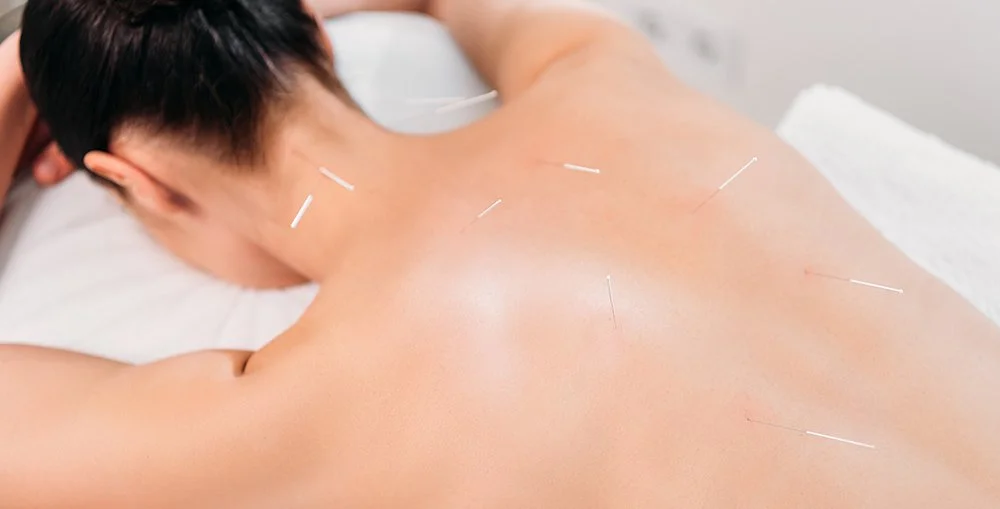
When the needle is inserted, your body sends a small signal through the local nerves. It’s quick and usually feels like a tiny pinch, a warm pulse, or nothing at all. This moment tells your nervous system to pay closer attention to the area being treated.
Your Brain Adjusts Its Stress Response
Once that signal reaches the brain, something important happens. Your system begins to move out of “fight or flight” and into what researchers call the parasympathetic state.
That is the part of the nervous system responsible for rest, digestion, and recovery. Many people notice their breathing soften or their shoulders drop without thinking about it.
Your Muscles Begin to Release Tension
As circulation improves, muscles that have been tight or guarding for weeks start to let go. This is often felt as heaviness, warmth, or a slow melting sensation across the area being treated. For some, this is the first time they’ve felt their body relax that deeply in a long time.
Your Internal Chemistry Starts Working in Your Favour
The brain begins to release endorphins and regulates neurotransmitters like serotonin and GABA. These chemicals affect mood, sleep, and how your body processes pain. This is one of the reasons people often feel calmer or clearer afterward.
Your Body Moves Into Repair Mode
With tension reduced and circulation improved, your body has space to do what it’s designed to do. Heal. Regulate. Reset. Acupuncture doesn’t override your system. It supports your body’s ability to correct itself.
You Sink Into a Resting State
Most clients settle into a peaceful, almost meditative state during the treatment. The room becomes quiet, the breath slows down, and the body shifts into a steady rhythm. It is common for people to fall asleep at this point.
Does Acupuncture Really Work?
This is the question almost everyone asks, and it’s a fair one. When you’re in pain, stressed, or worn down, you want to know that the time and energy you invest in treatment will actually help.
The short answer is yes.
Acupuncture has been shown to support the body in ways that are both measurable and meaningful, and many people report results they couldn’t achieve with other approaches.
-
Several respected medical organizations acknowledge acupuncture as a useful therapy for pain, stress, insomnia, nausea, and more. There has been research done to help explain how acupuncture can influence the nervous system, brain activity, and biochemical responses involved in pain and emotional regulation.
There is also research that highlights that acupuncture can help with conditions like back pain, anxiety, migraines, and tension-related symptoms by triggering natural healing responses.
These aren’t fringe opinions. They’re supported by controlled studies, brain imaging research, and clinical outcomes.
-
Research is important, but lived experience matters just as much. At West End Wellness, many clients arrive after trying everything else. Pain medication. Stretching routines. Changes in diet or sleep. Sometimes nothing makes a dent. Acupuncture often becomes the first thing that helps their body settle and function more easily again.
Some walk out feeling lighter or clearer right away. Others notice gradual improvements over a few sessions. Better sleep. Less pain. More energy. A calmer mind. These changes are subtle at first, but they build as the body gets used to the new level of balance.
-
There’s nothing mystical about it. Acupuncture works because it helps your nervous system regulate, improves circulation, and encourages the body to release chemicals that support healing and emotional steadiness. When these systems work together, your body shifts in ways you can feel.
Many people are surprised by how gentle the process is and how deeply their body responds to something so simple.
What are (if there are) the secrets of Acupuncture?
People often imagine acupuncture has some hidden trick behind it, but the real “secret” is much simpler. Your body is built to heal, regulate, and restore itself, and acupuncture gives that system the nudge it has been missing.
When you picture it that way, the process becomes far less mysterious and much more practical.
It Works Through Your Nervous System
Modern research shows that acupuncture communicates directly with your nervous system. A 2024 review from the National Institutes of Health describes how specific points on the body activate neural circuits that influence both pain pathways and emotional regulation.
This explains why people feel both physical and mental relief.
It Changes the Way Your Brain Processes Pain
Acupuncture encourages your brain to respond differently to discomfort. A systematic review published in PubMed found that acupuncture reduced pain intensity across several types of chronic pain by affecting peripheral nerves and central processing.
This is part of why people often feel warmth, heaviness, or a soft release during their session. Their body is adjusting in real time.
It Reduces Tension and Supports Natural Healing
Another study, published in Frontiers in Neuroscience, explains that acupuncture influences both local tissues and deeper brain regions connected to pain, stress, and inflammation.
Rather than masking symptoms, acupuncture helps your systems reorganize, making healing possible.
It Helps the Body Shift Out of Survival Mode
This is the part people feel most clearly. When your nervous system is stuck in a constant stress response, everything tightens. Muscles. Breathing. Digestion. Mood. Acupuncture interrupts that pattern and invites the body into a more regulated state.
Clients often describe it as a physical exhale they didn’t know they needed.
So the secret isn’t magic. It’s physiology. Acupuncture works by helping your body do what it is already designed to do, but cannot do easily when overwhelmed or exhausted.
What Are the Signs Acupuncture Is Working?
When someone comes in for their first few sessions, the signs of progress often show up in quiet, almost surprising ways. You might notice your shoulders dropping without trying, or that familiar tightness in your jaw softening while you’re still on the table.
For some people, the first sign is actually their breath. It slows down, becomes heavier, and feels more natural. That shift alone tells us the nervous system is responding.
Others don’t feel much during the session, but later that night, something is different. They fall asleep faster. They wake up less. They get out of bed with just a little more ease. These changes can feel small, but they’re important because they show your body is adjusting to a calmer rhythm.
Some clients notice emotional changes first. A shorter fuse eases. A foggy mind feels clearer. Tasks that felt overwhelming suddenly feel manageable again. These improvements can come before any changes in physical sensations.
Pain can change too. Sometimes it fades. Sometimes it moves or feels different. This is a normal response and usually means the body is reorganizing the tension that has been stuck in place for too long.
The most reassuring sign is consistency. When these small improvements start showing up more often, your body is telling you the treatment is taking hold and your system is settling into a healthier pattern.

How Soon Do You Feel Results From Acupuncture?
When people reach this point in their research, the next questions are usually the same. How long will it take to feel better? What should I expect after a session? Is there a timeline that applies to everyone?
These are entirely natural things to wonder, especially if you’re considering acupuncture for the first time or hoping for relief from something that has lingered for months.
To make things easier, we put together a short FAQ that answers the most common questions we hear in the clinic.
Do you feel anything right away?
Sometimes, yes. A lot of people notice their bodies soften during the session. Their shoulders drop, their breath deepens, or their mind feels quieter than it has in a long time. These are early signs that the nervous system is responding.
What about physical changes?
For some, pain eases after the first or second treatment. For others, improvement builds gradually as circulation improves and tension releases layer by layer. Both responses are entirely normal.
Can results show up later in the day?
Absolutely. Many clients tell us they sleep better the night of a session or wake up feeling more rested and clear-headed. That happens because acupuncture continues working long after the needles are removed.
What if you don’t feel much at all at first?
That’s also common. Acupuncture works through small, steady shifts in the nervous system. If your body has been tense or overwhelmed for a long time, it may take a few sessions before you notice the changes.
How many treatments do most people need?
There’s no single timeline. Some conditions respond quickly. Others need consistent care to unwind the stress patterns behind the symptoms. Most people feel meaningful progress within three to six sessions.
What matters most?
Progress that continues between sessions. Better sleep. Less tension. A calmer mood. A feeling of moving in the right direction. These small changes add up, and they’re often the clearest sign your body is responding the way it should.
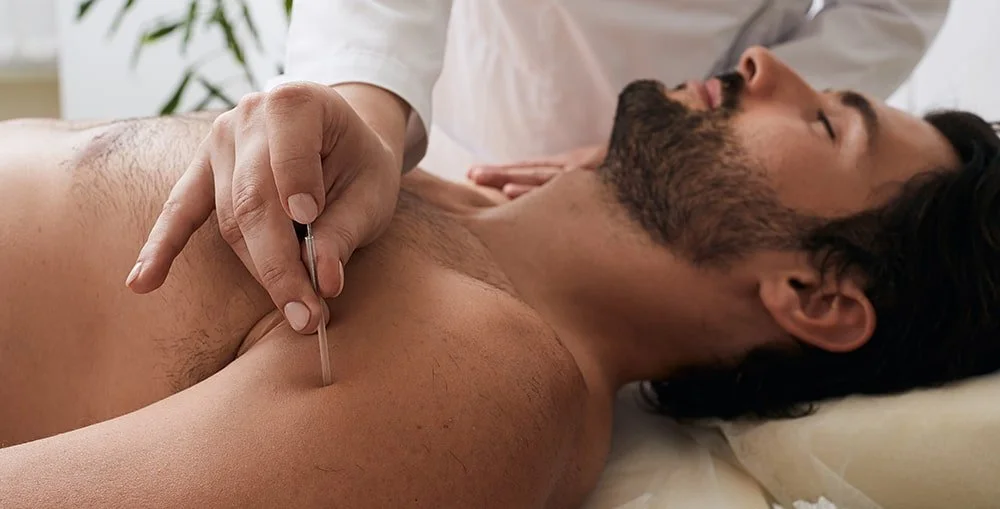
Let us help by sharing the benefits of acupuncture, how it works, and the common symptoms it can ease, including stress, headaches, muscle tension, and low energy.
Final Thoughts
Acupuncture works in a way that feels subtle at first, but the changes it creates can be genuinely life-shifting. When your body has been tense, overwhelmed, or running on empty, even small improvements in sleep, pain, or mood can feel like getting a piece of yourself back.
That’s the heart of this therapy. It doesn’t override your system or force anything unnatural. It helps your body do what it has been trying to do all along.
Whether you’re dealing with stress, chronic pain, or a sense that your body isn’t working the way it used to, acupuncture offers a gentle path forward. If you’re curious about how it might fit into your own health routine, our team at West End Wellness is here to give you a clear, supportive place to start.
You deserve care that feels grounding and human, and we’re ready when you are.
If you have any further doubts or questions regarding this subject or another treatment, contact one of our experienced Acupuncturists or Registered Massage Therapists here at West End Wellness Clinic. You can either give us a call or make an appointment.
Disclaimer: Please remember this article is for informational purposes only and should not replace professional medical advice. Please consult a healthcare provider or someone with the correct qualifications before starting any new exercise or treatment program.