
What to Book Next: What Is the Most Requested Massage?
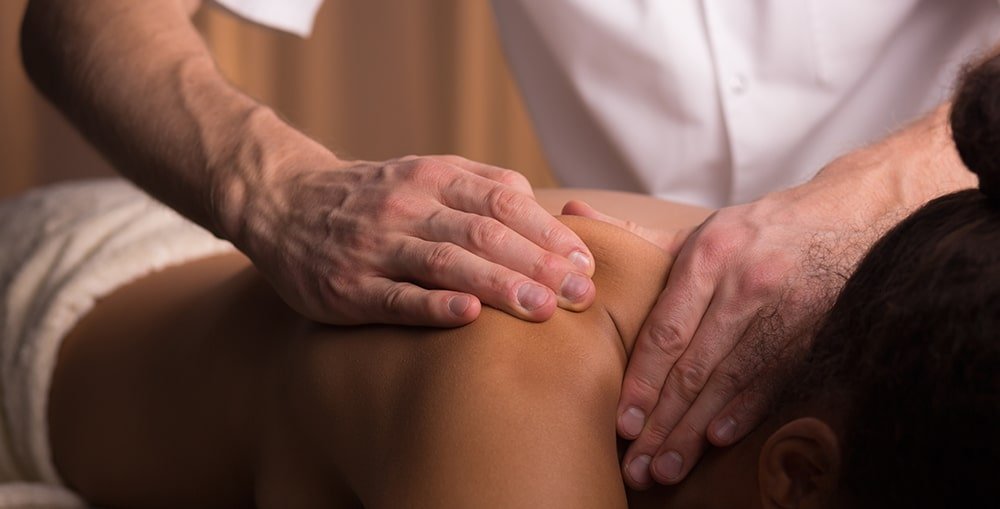
Table of Contents Show
Quick Summary
Wondering what the most requested massage really is? This article breaks it down with clarity and care. From the ever-popular Swedish massage to deep tissue, sports, and prenatal treatments, we explore what people are actually booking and why.
You’ll get answers to common questions, real examples, and a local Vancouver perspective. Whether you're new to massage or looking to try something new, this guide helps you make a confident, informed choice for your next RMT session.
TL;DR – How to Maximize Massage Therapy Benefits
Stay hydrated before and after your massage to help flush out toxins.
Communicate openly with your RMT about pressure, pain, and treatment goals.
Follow up with gentle movement or rest, depending on your body’s needs.
Schedule regular sessions for consistent relief and long-term wellness.
Combine massage with good posture, stretching, and stress management for best results.
You’ve probably heard someone say, “I just need a massage,” after a long week at work or a tough workout. In Vancouver, it’s more than just a luxury; it’s part of how many of us stay balanced, healthy, and sane.
Whether you’re at a desk all day, chasing toddlers, or recovering from your last half-marathon, massage therapy has become a go-to for both relaxation and recovery.
However, with so many styles available, such as Swedish, deep tissue, and sports massage, it’s natural to wonder: what’s actually the most requested massage?
And more importantly, which one’s right for you?
At West End Wellness, we frequently hear that question. As registered massage therapists working with clients across downtown Vancouver, we’ve noticed clear patterns in what people ask for and why.
Whether you’re new to massage or just curious what others are booking, this guide will walk you through the most popular massage types, what they’re best for, and how they show up in real life (not just on spa menus).
What Is the Most Common Massage?
Walk into almost any massage clinic in Canada, and chances are you’ll hear one request more than any other:
“I’d like a Swedish massage, please.”
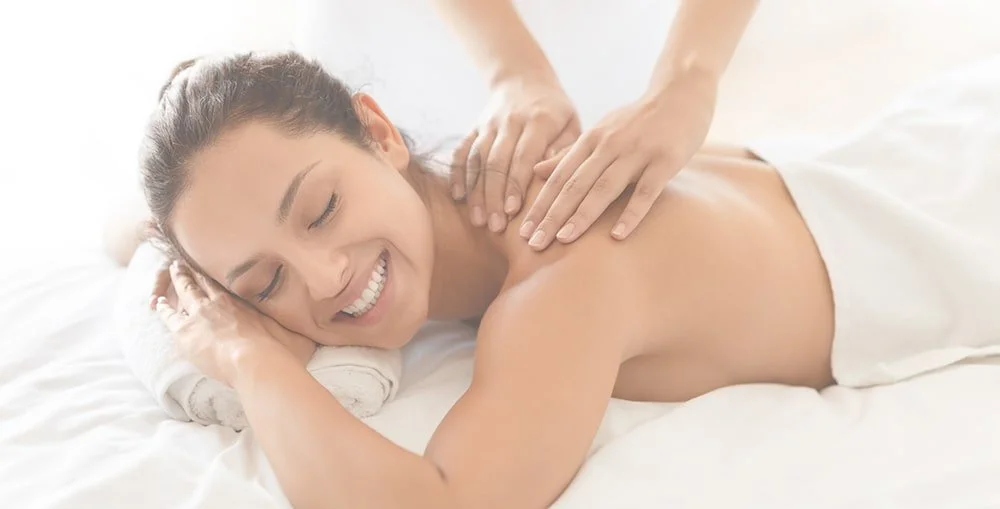
This isn’t just a polite choice for beginners. Swedish massage is the classic. It's the comfort food of bodywork, familiar, gentle, and almost universally loved.
-So, why is it so popular?
Why Swedish Massage Is Everyone’s First Pick
Here’s what makes Swedish massage such a go-to:
Gentle pressure that’s easy on the body (even if you’re feeling a little sore or run down)
Long, flowing strokes that help you fully relax, think of it as a nervous system reset
Great for beginners who aren’t sure what kind of pressure they like yet
Boosts circulation and encourages lymphatic drainage, leaving you feeling lighter
It’s especially great if:
You’re overwhelmed, overstimulated, or just flat-out tired
You want something calming, not intense
You’re coming in for your first-ever massage and want to ease in
Many of our clients here at West End Wellness start with Swedish massage, even if they eventually try something more targeted. It’s that reliable, easygoing friend you can always count on.
One client, a busy graphic designer, told us she books a Swedish massage on Friday afternoons just so she can breathe again after a packed workweek. For her, it's less about fixing a specific problem and more about pressing pause.
And we get it. That kind of massage isn’t just relaxing. It’s necessary.
Deep Tissue Massage – A Close Second
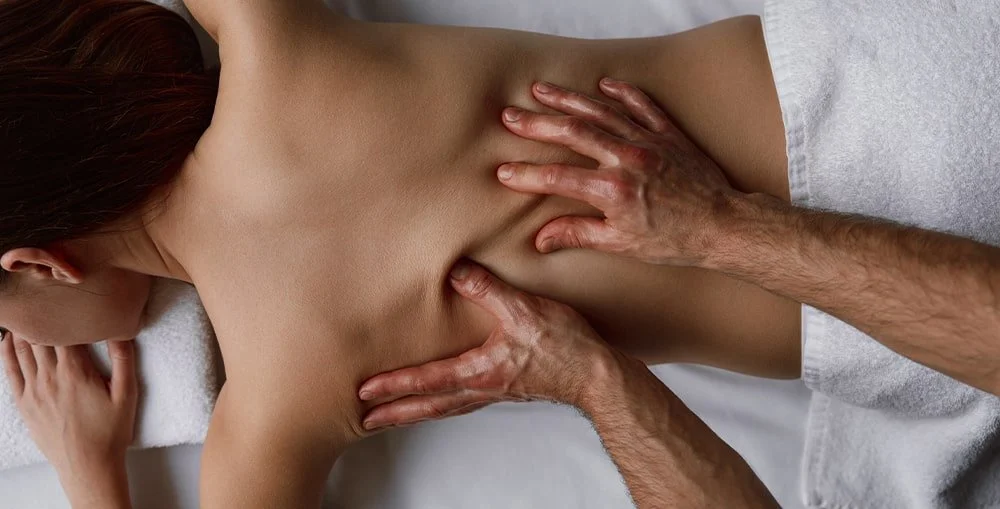
If Swedish massage is the soft, calming whisper, deep tissue is the steady, focused fix-it crew. It’s the second most requested massage, especially by individuals dealing with persistent pain, tight shoulders, or old sports injuries that just won’t go away.
This isn’t about a “harder version” of Swedish. It’s its own thing.
What Makes Deep Tissue So Popular?
People ask for deep tissue because they want results they can feel. Here's what it delivers:
Targets deeper layers of muscle and connective tissue
Breaks up knots (aka adhesions) that cause limited movement or pain
Eases chronic tension, especially in the back, shoulders, neck, and hips
Helps recovery from overuse injuries and physical stress
It’s ideal for:
People who sit a lot and feel locked up in their neck or lower back
Athletes or weekend warriors with tight quads, calves, or hamstrings
Anyone who says, “It’s not painful...but it’s always there.”
At West End Wellness, we often combine deep tissue work with other techniques tailored to your body's needs. It’s not about pressing hard to press hard it’s thoughtful, precise work aimed at making you feel better, not bruised.
One of our clients, Mark, a dad of two and full-time desk worker, came in barely able to bend over without discomfort. A few focused deep tissue sessions later, he was back to building LEGO castles and wrestling with his kids on the living room floor. He didn’t just feel looser he felt like himself again.
Other Massage Types People Ask For (But Not Quite as Much)
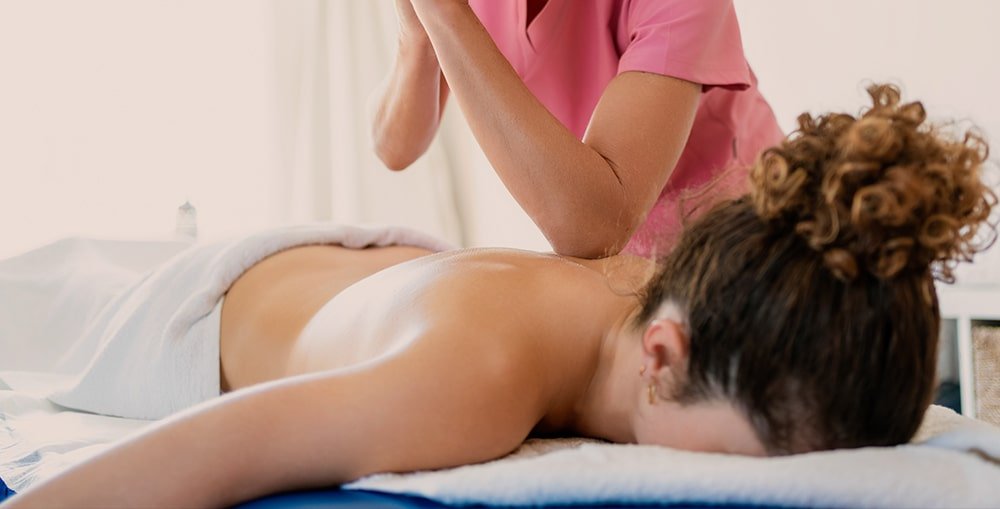
Swedish and deep tissue take the top spots, no question. Still, plenty of people come in asking for something a little different. Whether it's to help with a specific issue or just to try something new, here are a few more massage styles that pop up often in conversations at our front desk.
Sports Massage
Perfect for people who push their bodies, runners, cyclists, climbers, and even weekend soccer warriors. Sports massage helps prevent injury, improve mobility, and reduce post-exercise soreness.
Good if you:
Just finished a race and feel like your legs are made of bricks
Are you nursing a tight IT band or sore hamstrings
Want to stay active without grinding your joints into dust
Sports massage can enhance flexibility and aid in muscle recovery, which aligns with what our clients report after sessions. At West End Wellness, we frequently incorporate sports-style techniques into recovery-focused RMT treatments.
Prenatal Massage
Massage during pregnancy isn’t just safe, it’s deeply beneficial. According to the American Pregnancy Association, prenatal massage can reduce back and joint pain, improve circulation, and promote better sleep.
Helpful if you:
Are you in your second or third trimester
Feel like your hips and legs are carrying more than just the baby
Need one solid hour where your body isn’t aching
One client told us her weekly prenatal massage was “the only time I didn’t feel like a balloon on stilts.” If you’re expecting, check out our Prenatal Massage in Vancouver.
Trigger Point Therapy
Trigger points are those small, tight muscle knots that refer pain elsewhere, like when your neck triggers a headache. Targeting and releasing them can bring fast, targeted relief.
Great if you:
Get tension headaches or jaw pain from clenching
Feel sharp or radiating discomfort in specific areas
Have muscles that feel like they’re “grabbing” at random
We often use Trigger Point Therapy or TMJ Massage to relieve these patterns. Clients often notice a decrease in headaches and increased jaw mobility after just a few sessions.
Myofascial Release
This technique focuses on releasing fascia, the connective tissue that wraps around your muscles. It’s subtle and slow, but powerful for people dealing with long-term tension.
People choose this if they:
Have chronic pain with no clear diagnosis
Feel tight no matter how much they stretch
Want a more meditative, less “muscle mashing” approach
Many physical therapy professionals recognize it as a go-to for addressing chronic soft tissue issues without applying harsh pressure. If that resonates, you can learn more about our Myofascial Release Therapy in Vancouver.
Frequently Asked Questions
What's the hardest massage?
Deep tissue massage is usually the most intense. It focuses on breaking down tension deep within the muscles, which means more pressure and slower, targeted strokes. It’s great for people with chronic pain or tightness, but not ideal if you’re just looking to relax.
What is the best time of day for a massage?
Late afternoon or early evening is ideal for most people. That’s when your body has warmed up and you’re more likely to rest afterward. Morning can work too, especially if you’re using massage to start the day with less tension. The key is choosing a time when you won’t have to rush.
Is it OK to talk during a massage?
Absolutely. Some clients like to chat, others prefer silence. What matters is that you feel comfortable. Open communication helps your RMT adjust pressure or focus areas, but there’s no pressure to make small talk.
How long should you have between massages?
For general wellness, every 3 to 4 weeks works well. If you’re recovering from injury or dealing with stress or pain, weekly or biweekly sessions offer better results. Your body’s response and your schedule will help guide the timing.
What is a red flag in massage?
Biggest red flags include a therapist who ignores your feedback, makes you uncomfortable, or doesn't check in about pressure or consent. A good RMT should create a space that feels safe, professional, and respectful of your boundaries at all times.
Ever wondered what sets a Registered Massage Therapist (RMT) apart? This article breaks down the real benefits of seeing an RMT, including pain relief, stress reduction, improved posture, and better sleep.
What Is the Most Popular Massage in Canada (and Vancouver)?
Across Canada, when people think “massage,” their top two picks are usually the same: Swedish and deep tissue. That holds in Vancouver, too, but with a few local twists.
Let’s take a look at what the data and demand actually show.
-
A recent report shows how Canadians incorporate alternative healthcare, such as massage therapy, into their overall wellness routine. Among those, Swedish massage is typically seen as the gateway; it’s familiar, soothing, and easy to tailor.
Deep tissue, on the other hand, is commonly requested by people managing chronic pain or recovering from injuries. The Massage Therapy Association of Manitoba notes that deep tissue and treatments are among the most frequently requested in clinical settings because they address functional issues, not just stress.
So even though “Swedish” tops the popularity list in general, deep tissue isn’t far behind, especially among people who aren’t just looking to relax, but to feel better.
-
Here in Vancouver, we’re a little unique. People care deeply about wellness, but they’re also active. They hike, bike, do yoga, and then sit for hours at a desk job.
That mix means we get just as many requests for tension relief and performance recovery as we do for relaxation.
Swedish massage remains a top choice, particularly for individuals new to massage or seeking to unwind after a long week.
Deep tissue and neuromuscular therapy are highly requested for desk-related strain, sports injuries, and general aches.
Prenatal massage has become increasingly popular thanks to strong word-of-mouth among young families in the area.
There’s growing interest in trigger point therapy and TMJ-focused massage due to Vancouver’s high-stress, screen-heavy work culture.
And unlike spas where treatments are more standardized, clinics like West End Wellness offer customized care that blends techniques based on what your body needs most.
-
Here’s a quick peek into real requests we hear at our front desk every week:
“Do you do massage for running recovery?”
(Yes, and we use deep tissue, myofascial release, and neuromuscular work to support that. Learn more about Neuromuscular Massage Therapy.)“Can someone help with tension headaches and jaw pain?”
(Absolutely. TMJ Massage and Trigger Point Therapy are designed for that.)“I’m pregnant. Is massage safe?”
(Yes, and it helps. We offer Prenatal Massage in Vancouver that eases pain while keeping you comfortable and supported.)
Which Massage Is Best for Relaxation?
If your goal is to slow down, breathe deeper, and walk out feeling lighter than you walked in, there’s one massage that consistently delivers, you guessed it, Swedish massage.
It is a technique often regarded as the best massage for relaxation, and for good reason.
Why Swedish Massage Wins for Relaxation
Long, flowing strokes calm the nervous system
Gentle pressure soothes muscles without overwhelming the body
Promotes the “rest and digest” state (hello, deep exhale)
Helps regulate stress hormones like cortisol
We see it every day in the clinic. Whether it’s a client who hasn’t taken a proper break in weeks or someone who’s feeling anxious and overwhelmed, this style of massage almost always gets the same response: “I didn’t realize how much tension I was holding until it was gone.”
Is Swedish the Only Way to Relax?
Not at all. People unwind in different ways. Some find deep comfort in heat or aromatherapy, while others actually relax better with firmer pressure.
Here’s how it breaks down:
Deep Tissue Massage
Yes, it’s known for its pain-relieving properties, but for some people, finally releasing a stuck muscle is the ultimate sigh of relief. If a gentle touch makes you more tense, this could be your path to relaxing.Aromatherapy Massage
Add essential oils like lavender or eucalyptus, and suddenly your brain gets a second layer of calm. It’s a sensory experience that many people find grounding. While we don’t offer essential oil blends by default, you’re welcome to bring your own and ask your RMT to incorporate them.Hot Stone Massage
Some clients love the warmth and weight of heated stones. The warmth helps muscles loosen up more easily, and it feels deeply soothing. While West End Wellness focuses on hands-on therapeutic techniques, hot stone massage is a popular option at many spas in Vancouver.Myofascial Release
If your version of relaxing means slowing way down, this one’s worth exploring. It’s a quiet, meditative treatment that helps with deep, long-term tension. Consider Myofascial Release Therapy in Vancouver if this sounds like your ideal way to recharge.
Finding What Works for You
The most relaxing massage is the one that makes you feel the most at ease. If you’re not sure, we often recommend starting with Swedish. It’s a gentle introduction, and your RMT can always adjust based on what your body tells us during the session.
That’s the beauty of working with a registered massage therapist: we listen, we adapt, and we make sure you leave feeling better than when you walked in.
Final Thoughts: What Massage Do People Really Want?
Let’s recap the big takeaways:
Swedish massage is the most requested overall for good reason. It’s gentle, relaxing, and great for both first-timers and those looking to decompress.
Deep tissue massage comes in a close second. It’s popular among people dealing with chronic pain, muscle tension, or recovery from physical strain.
Other types, such as sports massage, prenatal massage, and trigger point therapy, are also gaining attention, especially in active cities like Vancouver.
The best massage really depends on your needs. Relaxation, relief, recovery, they all point to different styles.
Here at West End Wellness, we don’t believe in one-size-fits-all. Our RMTs are trained to listen, adapt, and create a treatment that works for you. Whether you’re chasing calm or chasing your kids around the house, there’s a massage that can help you feel more like yourself again.
There’s no wrong way to start your massage journey.
But if you’re wondering what everyone else is asking for? It’s Swedish for stress relief. Deep tissue for tight muscles. And thoughtful care that meets you where you’re at.
If that sounds like what you’re looking for, we’re here when you’re ready.
If you have any further doubts or questions regarding this subject or another treatment, contact one of our experienced Acupuncturists or Registered Massage Therapists here at West End Wellness Clinic. You can either give us a call or make an appointment.
Disclaimer: Please remember this article is for informational purposes only and should not replace professional medical advice. Please consult a healthcare provider or someone with the correct qualifications before starting any new exercise or treatment program.