
Registered Massage Therapist in BC: What You Need to Know
Table of Contents Show
Quick Summary
If you’re thinking about becoming a Registered Massage Therapist in BC, this guide gives you a clear picture of what the journey actually looks like. You’ll learn how long the training takes, what the education and licensing process involves, and what kind of career opportunities new RMTs can expect in Vancouver. We walk through program requirements, exam preparation, real-world challenges, and the rewards that make this profession meaningful for so many people.
You’ll also find honest insights about earning potential, the realities of daily practice, and the skills that help students thrive. By the end, you’ll know exactly what steps to take and whether this path feels right for you.
TL;DR – Registered Massage Therapist in BC
Becoming a Registered Massage Therapist in BC takes about 2 to 3 years from start to finish.
You’ll complete full-time schooling, clinical hours, and provincial registration exams.
This article explains the training process, program requirements, and licensing steps.
You’ll learn the real pros and cons of the career and what RMT work looks like in Vancouver.
We cover earning potential, daily expectations, and whether the profession fits your goals.
If you’ve ever walked out of a great massage thinking “I’d love to do this for people,” you’re not alone.
A lot of future RMTs start with the same thought. Others come from office jobs, trades, hospitality, or healthcare and feel pulled toward work that’s more hands-on and meaningful. Here in Vancouver, where wellness is part of the culture, becoming a Registered Massage Therapist feels like a natural fit for many people looking for a change.
The path to becoming an RMT in BC is clear, but it’s not always easy to understand how long it takes, what the schooling is like, or what the career actually looks like once you’re licensed.
BC has some of the highest training standards in Canada, which means you’ll get a solid education and enter a field with strong demand for skilled therapists. But it also means you’re committing to real schooling, real clinical practice, and a thoughtful move into a profession that plays a big part in people’s health.
At West End Wellness, we meet people every day who depend on the support RMTs provide. Whether they’re dealing with stress, pain, injury, or simply trying to feel more at home in their bodies, RMTs make a noticeable impact.
If you’re curious about entering this profession, this guide will walk you through what the journey looks like, how long it takes, and what you can expect along the way.
When you’re ready, you can take a look at our Registered Massage Therapy page to get a sense of the kind of care RMTs offer in a real clinical setting.
How Long Does It Take to Become a Registered Massage Therapist in BC?
Most people are surprised to learn that becoming an RMT in British Columbia takes about two to three years from start to finish. BC has one of the most rigorous training standards in Canada, which is a big reason why RMTs here are trusted to work with everything from stress and tension to injuries and long-term pain patterns.
The exact timeline depends on the school you choose and how quickly you want to move through the material. Programs approved by the College of Massage Therapists of BC typically run full time, Monday to Friday, with a mix of classroom learning, anatomy labs, and supervised clinical practice.
It’s a serious commitment, but you come out with a strong foundation that prepares you for real clients and real health concerns.
Once you finish your coursework and required clinical hours, you’ll write the CMTBC board exams, which include both a written component and a hands-on practical exam. Most students take a few months after graduation to study, schedule their exam, and then complete the registration process. After that, you’re cleared to begin practicing as a licensed RMT in BC.
If you’re starting from scratch and planning your timeline, it’s realistic to expect the whole process to take between 28 and 36 months. Some programs move a little quicker, some a little slower, but nearly all fall in that window.
When you’re thinking about becoming an RMT, it helps to remember that this timeline sets you up well. BC’s high standards mean you’re entering a profession with strong credibility, solid employment opportunities, and clients who genuinely appreciate the level of training RMTs bring to the table.
What Is the Process to Become an RMT in BC?
| Stage | What You Do | Typical Timing |
|---|---|---|
| 1. Explore the profession | Research the RMT field, visit clinics and schools | 1–3 months |
| 2. Get accepted into an approved program | Submit applications, interviews, funding, enrolment | 1–3 months |
| 3. Complete your diploma | Full-time classes, labs, and supervised clinic shifts | About 2 years |
| 4. Write the registration exams | Study and complete the written and practical CCHPBC exams | 3–6 months |
| 5. Register and begin practice | Finalize registration, obtain insurance, start your first role | 1–2 months |
-
Your first real step is picking a school that is recognized for RMT training in BC. Programs that prepare you for registration focus heavily on:
Anatomy and physiology
Pathology and clinical sciences
Assessment skills
Treatment planning
Hands-on massage techniques in a supervised clinic setting
The Registered Massage Therapists Association of BC explains that students complete a rigorous two year education in health sciences and massage therapy at an approved institution.
This is also the point where you look at location, schedule, and culture. For example, some colleges in BC offer an 88 week program with weekday classes and clinical shifts, designed specifically to prepare you for the provincial registration exams.When you’re comparing schools, it helps to ask:
How many hours of supervised clinic experience will I get?
How strong are their exam pass rates?
What kind of support is available if I struggle with the material?
You can explore options through resources like the RMTBC “Become an RMT” page, then visit individual colleges such as Vancouver Career College’s Registered Massage Therapy program to see how they structure the training.
-
Once you are in, the program is intense but rewarding. A typical week might include:
Anatomy, physiology, neurology, and pathology lectures
Massage theory and technique labs
Practice assessments with classmates
Supervised treatments in a student clinic
Many programs run five days a week with full days of study, plus occasional evening or weekend clinic shifts.
This is where you start to feel like a health professional in training. You learn how to:Take a health history
Assess joints and soft tissue
Decide if massage is safe for a particular client
Choose techniques that match their condition and goals
By the time you finish your diploma, you will have treated a wide range of people under supervision, which makes the jump into real practice feel much more manageable.
-
After graduation, your focus shifts to the registration exams run by the College of Complementary Health Professionals of BC (CCHPBC). Graduates of recognized programs can apply through the applicant portal to sit these exams.
The exam process usually includes:
A written exam that tests your knowledge of clinical sciences, ethics, and professional standards
A practical exam where you assess and treat a mock client while an examiner observes your reasoning, safety, and technique CDI College
Many schools build exam prep into the final part of the program, offering review courses and practice scenarios to help you feel ready. Langara College.
A realistic window for exam prep and scheduling is three to six months, depending on how quickly you like to move and when exam dates are available. -
Once you pass the exams, you submit your documents to the college, arrange your professional liability insurance, and finalize your registration as an RMT in BC.
This is also when you:
Decide what kind of work environment you want
Apply to clinics, wellness centres, and multidisciplinary practices
Think about schedule, mentorship, and the client population you feel drawn to
If you are keen to work in a calm, professional clinic that values long term client relationships, you can explore opportunities through our Join Our Team page. West End Wellness often welcomes applications from both experienced RMTs and thoughtful new grads who care deeply about client care.
Is Becoming an RMT Worth It?
If you are thinking about becoming an RMT, you are probably asking two big questions at the same time:
Will I enjoy this work day to day?
Will it support me financially in Vancouver?
From what current RMTs report, the answer is often “yes, if it matches your personality and values.” Massage therapy is consistently described as a rewarding career where you help people feel better, move better, and cope with stress in a very real way.
| What many RMTs love | What to keep in mind |
|---|---|
| Helping people with pain, stress, and injuries in a hands-on way | You are “on” with people most of the day, which can be tiring |
| Flexible schedules and options to work part time or full time | Income depends on how many clients you see |
| Working in calm, wellness-focused spaces instead of offices | You spend a lot of time standing, leaning, and using your body |
| Seeing clear progress in your clients over time | There is emotional weight in hearing about people’s pain and stress |
Career sites and massage industry reports describe massage therapy as a growing and fulfilling career, with strong demand as more people look for natural support for pain and stress.
Income varies, but guides for BC and Vancouver suggest that newly registered RMTs often start in the mid-30,000 to low-40,000 dollar range per year, with experienced therapists earning significantly more depending on schedule, clinic split, and client base.
A Real Example: Why This Work Matters
At West End Wellness, we see the impact of RMT work every week.
Emily, a university student juggling school and a part-time job, came in with tension headaches that were showing up almost every day. She had already tried more water, less screen time, and over-the-counter medication, but nothing seemed to stick.
Our RMT focused on her neck, shoulders, and jaw, finding tight spots Emily did not even realize were there. After a few sessions, her headaches dropped from “almost daily” to “once a week,” and each visit felt like a reset for her nervous system.
For many future RMTs, stories like this are the reason they choose the profession. You are not just “doing massages.” You are helping real people function better at work, sleep more deeply, study with less pain, and actually enjoy their lives more.
If you want to see the kinds of conditions RMTs at our clinic support, you can look at our main Registered Massage Therapy page and our individual Team profiles to get a feel for how different therapists shape their practices over time.
Are RMT massages better than regular massage?
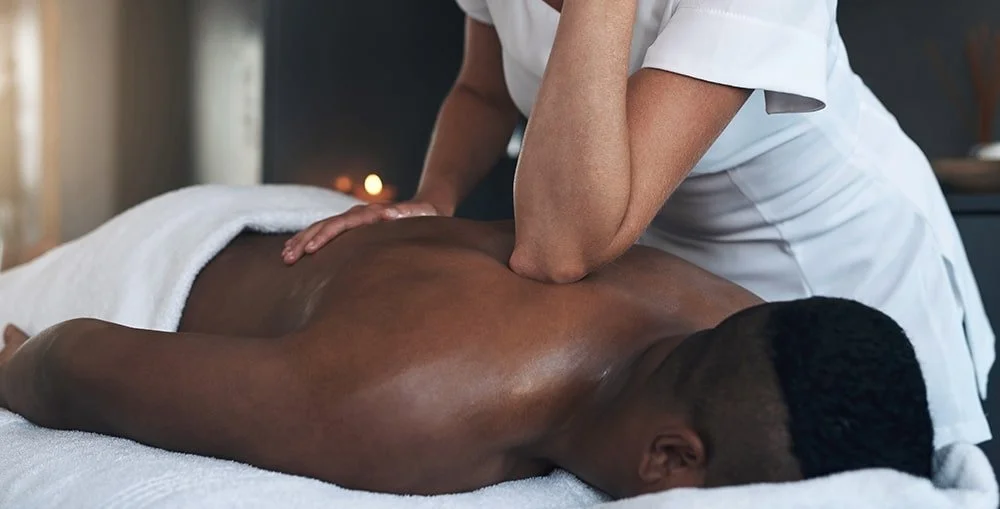
People in Vancouver often wonder if seeing an RMT actually makes a difference compared to getting a relaxation massage. The truth is that they’re both valuable, but they serve different purposes.
| RMT Massage | Regular / Non-RMT Massage |
|---|---|
| College-regulated health treatment | General relaxation service |
| Trained in clinical assessment and treatment planning | Trained in comfort, flow, and relaxation techniques |
| Used for pain, injuries, headaches, TMJ, stress, and mobility issues | Best for calming the nervous system and reducing muscle tension |
| May be covered by extended health plans | Typically paid out of pocket |
Here in BC, RMTs go through extensive training that covers anatomy, pathology, orthopedic assessment, and evidence informed massage techniques. That training allows them to safely treat injuries, help with chronic conditions, and work with people who have more complex health needs.
A lot of clients appreciate this level of care because it blends relaxation with real therapeutic change.
For people who simply want to unwind, non-RMT massage is still beneficial. Relaxation massage can help regulate the nervous system and release general tension. But if you have neck pain, lower back issues, headaches, or a specific concern, an RMT is usually the right choice.
If you want to see the types of treatments RMTs commonly use, the Trigger Point Therapy, TMJ Massage, and Neuromuscular Massage Therapy pages on our site give you a good sense of how clinical techniques show up in real sessions.
Is RMT a Good Career in BC?
If you ask most practicing RMTs in Vancouver whether they’d choose this path again, a large number say yes. The combination of meaningful work, strong demand, and flexible schedules makes massage therapy an appealing career for many people who want to be part of the wellness world without spending four to six years in school.
Why So Many People Choose RMT as a Career in BC
| Reason | Why It Matters |
|---|---|
| High demand in Vancouver | Most clinics stay busy year round and often have waitlists |
| Strong earning potential | Experienced RMTs in Vancouver often earn well above the provincial average |
| Work-life flexibility | You can build a schedule that fits your life, not the other way around |
| Meaningful client relationships | You see real change in people over weeks and months |
| Career variety | Sports, prenatal, relaxation, injury rehabilitation, ICBC care, and more |
Career data for Vancouver consistently shows that RMTs have one of the better earning potentials among two-year healthcare programs. Some new grads start modestly, but as they build their client base, income typically rises. Reports from local training programs and career surveys highlight that RMTs in Vancouver can reach $60,000 to $80,000+ per year, depending on schedule, clinic split, location, and specialty work.
Why BC Is Especially Strong for RMTs
The Vancouver lifestyle plays a big part. People here walk a lot, cycle, run, work long hours, and value wellness. That combination means:
A steady flow of new clients
Long term, consistent care for chronic pain
A strong appreciation for regulated healthcare treatments
Plus, BC has one of the highest education standards in North America, so clients feel confident choosing RMT care for both injuries and stress related tension. This credibility helps new grads build trust quickly.
What It Feels Like to Work as an RMT
RMTs often describe the work as physical but genuinely rewarding. You spend your days helping people function better, understand their bodies, and feel more at ease. The job blends hands on skill with problem solving, client communication, and a calm environment that appeals to many people who want meaningful work without the pressure of a high intensity setting. Many RMTs say they enjoy:
The calm environment
The one to one connection with clients
The meaningful progress they see over time
Most RMTs say the best part is seeing progress over time. Someone who walks in with chronic tension, headaches, or limited movement slowly starts feeling more like themselves. You get to be part of that process, which can make the career feel purposeful in a way that desk jobs or customer facing work often don’t.
What Qualifications Do You Need to Become a Massage Therapist in BC?
One of the reassuring things about pursuing a career as an RMT is that the entry requirements are straightforward. You don’t need a previous healthcare background. You don’t need years of university. What matters most is that you’re motivated, prepared for full time study, and genuinely interested in working with people.
Here’s what you need at different stages of the journey.
-
Most approved massage therapy colleges in BC ask for:
A high school diploma or equivalent
English proficiency (reading and writing)
A clear criminal record check
A general understanding of what the RMT profession involves
A short admissions interview
Some schools may also ask for a basic anatomy pretest or written questionnaire, but nothing is designed to weed you out. They mainly want to see that you can manage the academic load and that you’re entering the program for the right reasons.
-
To progress through your program, you’ll need to complete:
Classroom coursework in anatomy, physiology, pathology, and assessment
Hands on technique labs
Supervised clinical treatments
Professional communication and ethics training
Competency based practical evaluations
BC programs are known for being thorough, which is why graduates feel confident treating a wide range of conditions by the time they finish.
-
Once you graduate from an approved program, the final requirements include:
Passing the written and practical registration exams
Applying through the provincial regulatory college
Providing your program transcripts
Securing professional liability insurance
Maintaining current CPR training
Once you meet these steps, you’re officially recognized as a Registered Massage Therapist in British Columbia, which allows you to work in clinics, wellness centres, multidisciplinary teams, and even entrepreneurial setups once you gain experience.
Can You Give Massages Without a License in Canada?
This is a common point of confusion, especially for people who are just beginning to explore the profession. The short answer is: yes and no, depending on the type of massage you are offering and the province you’re in.
Here’s the simplest way to understand it.
-
In most provinces, including BC, you can offer relaxation or spa style massage without being registered. This usually includes:
Swedish style relaxation massage
General stress relief
Light to moderate pressure techniques
Non therapeutic bodywork
People working in this area often work in spas, hotels, or wellness settings where the goal is comfort and relaxation, not injury assessment or treatment.
-
Anything that involves clinical decision making or therapeutic treatment requires proper education and licensing in BC. This includes:
Treating injuries or pain
Assessing joint or soft tissue function
Using techniques intended to resolve specific conditions
Advertising yourself as an RMT or healthcare provider
Charging insurance or offering receipts for extended benefits
BC protects the title Registered Massage Therapist, which means only licensed practitioners can use it. This is one of the reasons RMTs in BC have strong credibility and trust from clients and other healthcare providers.
-
The difference isn’t just about the title. RMTs complete thousands of hours of training in anatomy, pathology, clinical assessment, and safety. That education prepares them to work with people who may have:
Injuries
Chronic pain
Medical conditions
Mobility limitations
Postural concerns
Stress related symptoms
If your goal is to help people with these types of issues, proper licensing is essential.
What Are the Downsides of Being a Massage Therapist?
Every career has challenges, and massage therapy is no different. If you’re thinking seriously about becoming an RMT in BC, it helps to understand the parts of the job that can be tough so you can plan for them early.
-
Massage therapy is hands on, and your body is part of the work. New RMTs often notice:
Wrist and thumb fatigue
Soreness in the low back or neck
The need for strong body mechanics
The importance of regular stretching and strength training
Most therapists adapt well once they understand pacing, technique variation, and how to protect their bodies during sessions.
-
You hear a lot of people’s stories. Some are uplifting. Others are heavy. Clients may share things about pain, stress, family struggles, or burnout.
You aren’t expected to fix their lives, but being present for people requires emotional steadiness and good boundaries. -
Your energy matters. If you’re tired, sore, or mentally scattered, you feel it while treating.
Common challenges include:
Seeing too many clients in a row
Working late evenings or weekends when clinics are busiest
Managing cancellations or no shows
Balancing your own life around peak booking times
Many RMTs eventually find a rhythm that feels sustainable, but it takes some experimenting.
-
BC’s education standards are high, and staying registered means ongoing professional development. Most therapists appreciate this because it keeps their skills sharp, but it’s still an ongoing commitment.
Understanding these challenges early helps you avoid burnout. RMTs who take care of their bodies, communicate boundaries, manage their schedules intentionally, and work in supportive clinic environments tend to enjoy long, healthy careers.
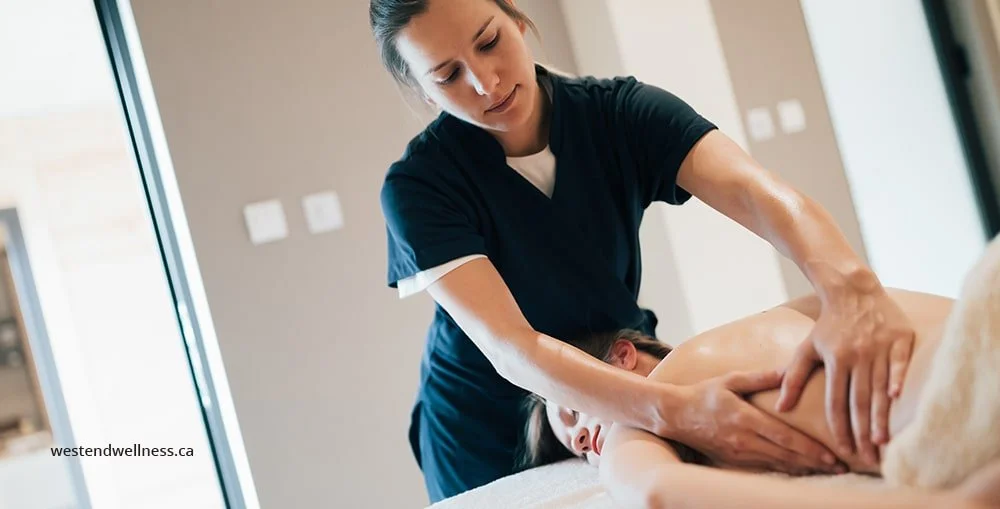
Whether you're exploring treatment options or considering a healthcare career, this guide helps you understand BC's unique approach to massage therapy, insurance coverage, and how to choose the proper care for your specific needs.
FAQ: Becoming a Registered Massage Therapist in BC
How long does it take to become an RMT in BC?
Most students complete their program in about two years, then spend a few months preparing for and writing the provincial registration exams. From start to finish, the full journey usually takes between 28 and 36 months.
Can you give massages without a license in Canada?
Yes, but only relaxation or spa-style massage. Anything clinical, such as pain treatment, injury work, or assessment, requires proper licensing in BC. Only registered practitioners can call themselves RMTs or provide insurance receipts.
Do RMT programs accept mature students?
Yes. Many students enter the profession in their 30s, 40s, and even 50s. Schools care far more about your motivation and ability to handle the workload than your age.
How much do RMTs earn in Vancouver?
Income varies based on schedule, clinic split, and demand, but career surveys and training programs often report ranges from $60,000 to $80,000+ per year once established. New grads may start lower, then build steadily as their client base grows.
Do RMTs need insurance?
Yes. Professional liability insurance is required for registration and must be kept active while practicing.
Does it take long to feel confident as a new RMT?
Most therapists say confidence builds gradually over the first few months. The combination of clinical experience, mentorship, and working with a variety of clients helps things click sooner than most students expect.
Final Thoughts: What Helps You Thrive as an RMT Student in BC
If you’re feeling excited about becoming an RMT, you’re in good company. Many people in Vancouver choose this path because they want work that feels real, steady, and meaningful. It’s a career where you can see the difference you make, one client at a time. BC’s training is demanding, but it shapes therapists who are confident, capable, and trusted in clinical settings.
Before you step into the classroom, it helps to know a few things that make the journey easier.
Tips for Succeeding as an RMT Student in BC
Stay organized early: RMT programs move fast. A simple weekly study schedule and consistent review of your anatomy notes will take you far.
Take care of your own body: Strength training, stretching, and mindful technique will save your wrists, thumbs, and back. Good habits now pay off later.
Ask questions whenever something doesn’t click: Instructors and clinical supervisors actually want you to ask. The more curious you are, the faster your skills develop.
Practice communication as much as technique: A big part of being an effective RMT is learning how to listen, explain your reasoning, and help clients feel safe.
Build connections with classmates: You’ll lean on each other more than you expect. Study groups, practice sessions, and shared support make the whole experience smoother.
Give yourself permission to be new: No one enters this field polished. You learn by doing, treating, reviewing, adjusting, and trying again.
If you feel drawn to this profession, trust that instinct. Becoming an RMT in BC takes effort, but it’s a path that supports long-term growth, balance, and the chance to make a meaningful impact on people’s lives.
And suppose you eventually want a clinic environment where you’ll feel supported, respected, and part of a team that genuinely cares about client wellness. In that case, you’re welcome to explore opportunities on our Join Our Team page at West End Wellness.
If you’d like any refinements or an expanded version of this final section, just let me know.
If you have any further doubts or questions regarding this subject or another treatment, contact one of our experienced Acupuncturists or Registered Massage Therapists here at West End Wellness Clinic. You can either give us a call or make an appointment.
Disclaimer: Please remember this article is for informational purposes only and should not replace professional medical advice. Please consult a healthcare provider or someone with the correct qualifications before starting any new exercise or treatment program.