
The Magnesium Ritual: Why Your Nervous System Craves a Soak

Table of Contents Show
Quick Summary
Modern life is a constant drain on your body’s magnesium reserves, leaving you with "locked" muscles and a frayed nervous system. An Epsom salt ritual is the most direct way to recalibrate your physiology through transdermal absorption. By dissolving magnesium sulphate in warm water, you create a therapeutic window that reduces systemic inflammation and bypasses the digestive tract for immediate relief.
This article explores the biological science behind the soak, the precise 20-minute window for optimal mineral uptake, and how to elevate a simple bath into a sophisticated recovery tool that complements your clinical treatments at West End Wellness.
TL;DR – Why Your Nervous System Craves a Soak
The Ritual: More than just a bath, an Epsom soak is a targeted delivery system for magnesium sulphate, designed to bypass the digestive tract for immediate muscular relief.
The Biological Cost: Chronic stress and physical activity deplete your magnesium levels, leading to "locked" muscles, restless sleep, and a heightened state of physical tension.
The Sensory Reset: By controlling the temperature and duration, you create a 20-minute window of transdermal absorption that recalibrates the nervous system and softens the connective tissue.
Clinical Synergy: While rituals at home provide maintenance, they work best when paired with professional manual therapy to address the deep-seated structural patterns that magnesium alone cannot reach.
Most of us think of recovery as something we schedule.
An appointment.
A supplement.
Another thing added to an already full week. But some of the most meaningful shifts in the nervous system occur in quiet, repetitive, and intentional moments.
Living in Vancouver, it is easy to stay in motion. Long workdays, packed transit, constant screen time, and the subtle pressure to always be productive keep the body slightly tense, even when nothing feels “wrong.”
Over time, the nervous system learns to stay on guard. Muscles brace. Breathing shortens. Rest starts to feel shallow.
This is where the magnesium soak comes in.
An Epsom salt bath is not just an old habit passed down through generations. It is a simple, functional ritual that gives the body a clear signal to soften.
Magnesium sulphate works through the skin, supporting muscle relaxation and helping the nervous system shift out of a state of constant alertness. The warmth, the stillness, and the minerals work together.
When you understand what is happening beneath the surface, a bath becomes more than a way to unwind. It becomes a deliberate reset. A way to ease joint tension, calm the mind, and remind your body that it is safe to let go, even in the middle of a busy city.
Understanding the Science Behind Epsom Salt Soaks
Magnesium is often called the "master mineral" because it is responsible for over 300 biochemical reactions in your body. However, during periods of high stress or intense physical activity, our magnesium levels are the first to be depleted. This depletion is a primary driver of persistent muscle tightness and that "wired-but-tired" feeling.
How the "Soak" Works: When you dissolve Epsom salt in warm water, it dissociates into Magnesium and Sulphate. Through transdermal absorption, these minerals move through the skin's barrier to provide:
Neuromuscular Calm: Magnesium helps regulate muscle contractions by blocking calcium, the mineral that causes muscles to tighten.
Systemic Detoxification: Sulphates are essential for the body's natural detoxification pathways and help support the production of Glutathione, your body's most powerful antioxidant.
Circulatory Support: The warmth of the water combined with the minerals improves blood flow, helping to flush out the metabolic byproducts of exercise and daily stress.
The 20-Minute Window: Finding Your Saturation Point
One of the most common questions we hear at the clinic is: "How long is too long?" People often think that if 20 minutes is good, an hour must be better. In reality, your skin has a specific "uptake" rate.
Think of a client we'll call Sarah—a dedicated runner here in Vancouver who was soaking in a bath for 45 minutes every night to relieve calf tightness. She couldn't figure out why her skin was becoming itchy and parchment-dry. Once we dialled her routine back to 25 minutes, her skin health returned, and her muscles actually felt more resilient.
To help you find your "Goldilocks" zone, here is a breakdown of what is actually happening to your physiology while you soak:
The Warming Phase
Mineral Absorption
The Sweet Spot
Reverse Osmosis
Why Temperature Matters
The heat of the water is the "key" that unlocks the door for the minerals. If the water is too cold, your pores remain tight, and the "ritual" feels more like a chore than a reset.
However, if the water is scalding, you actually trigger a sympathetic "fight or flight" stress response, which is the exact opposite of the relaxation we are aiming for.
We recommend aiming for a sweet spot between 32°C and 38°C. This range is warm enough to soothe tired muscles and increase blood flow, but gentle enough to allow your nervous system to downregulate.
If you’re curious about the mechanics of how warm water immersion actually impacts your body’s ability to recover, this clinical review on hydrotherapy breaks down how temperature helps manage pain and improve tissue healing.
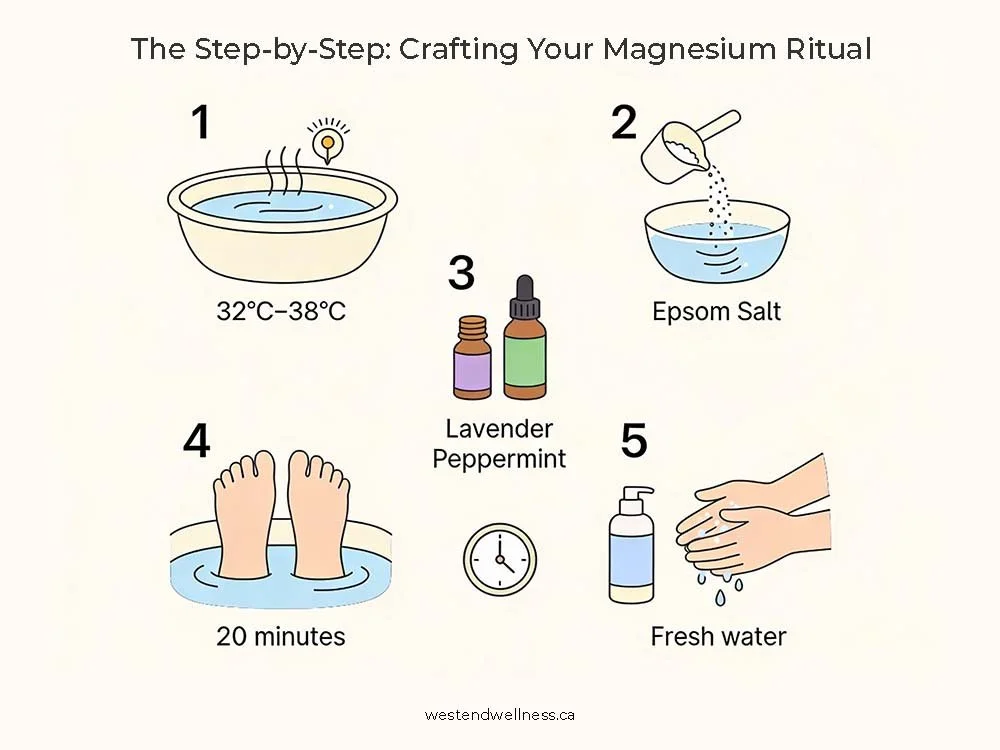
The Step-by-Step: Crafting Your Magnesium Ritual
Think of your soaking time as a conversation with your body. Some days, your body is shouting for relief; other days, it just needs a quiet whisper. While the 20 to 30 minute rule is our baseline, we often adjust this based on the "loudness" of your symptoms.
Creating the perfect soak is simple, but the intentionality behind it transforms it from a "bath" into a "ritual."
1. Set the Foundation. Start with a clean basin or tub. You want enough warm water to comfortably submerge the area of concern—usually the feet or the full lower body. Aim for that "sweet spot" temperature we discussed (32°C to 38°C).
2. The Mineral Measurement: Add approximately half a cup of Epsom salt (magnesium sulphate) to the water. Stir gently until the crystals are fully dissolved. This ensures the minerals are bioavailable and ready for your skin to absorb.
3. Sensory Enhancement: To elevate the experience, consider adding a few drops of high-quality essential oil.
Lavender is excellent for downregulating the nervous system and preparing for sleep.
Peppermint provides a refreshing, cooling sensation that is perfect after a long day of walking Downtown.
4. The 20-Minute Immersion: Submerge and settle in. This is the time to put away the phone and focus on deep, diaphragmatic breathing. If you’re soaking your feet, use this time to gently massage the arches to stimulate circulation.
5. The Cleanse & Hydrate: After your 20 to 30 minutes are up, rinse with fresh, warm water to remove any excess salt residue. While your skin is still slightly damp, apply a rich moisturizer to lock in the hydration.
Elevating the Results: When to Call in the Experts
A home ritual is the ultimate support tool, but it works best when the underlying "roadblocks" in your tissue are cleared. Think of the soak as the softener and professional therapy as the reset.
For Deep Tissue Patterns: If your muscles feel "tight" again just hours after your soak, a session with a Registered Massage Therapist (RMT) can help physically release the deep-seated adhesions that minerals alone can't reach.
For Nervous System Balance: If you are using the ritual to manage stress-induced tension, Acupuncture provides a powerful way to regulate your body's energy flow and promote long-term systemic healing.
Common Ritual Mistakes: What to Watch For
While a warm soak is a fantastic tool, it is just one part of a larger conversation about foot and body health. Depending on what you are feeling, you might find that alternating your routine provides better results.
The Power of Cold: For sudden tweaks or acute swelling, an ice bath or cold compress can be more effective than heat. This type of "cold therapy" helps to numb pain and limit inflammation by constricting blood vessels. You can read more about when to choose heat versus cold in this guide on Therapeutic Temperature.
Movement as Medicine: Sometimes, the best way to release tension is to move through it. Simple foot massages or using a tennis ball to roll out your arches can physically break up tightness.
Support from the Ground Up: Your daily footwear plays a massive role in how much strain your back and legs carry. Investing in shoes with proper arch support or looking into custom orthotics can prevent the very pain you're trying to soak away. For those curious about how footwear affects the whole body, the American Podiatric Medical Association offers great tips on selecting the right support.
Frequency: How Often Should You Practice the Ritual?
Finding the right rhythm for your soaks depends entirely on your lifestyle and your current physical goals.
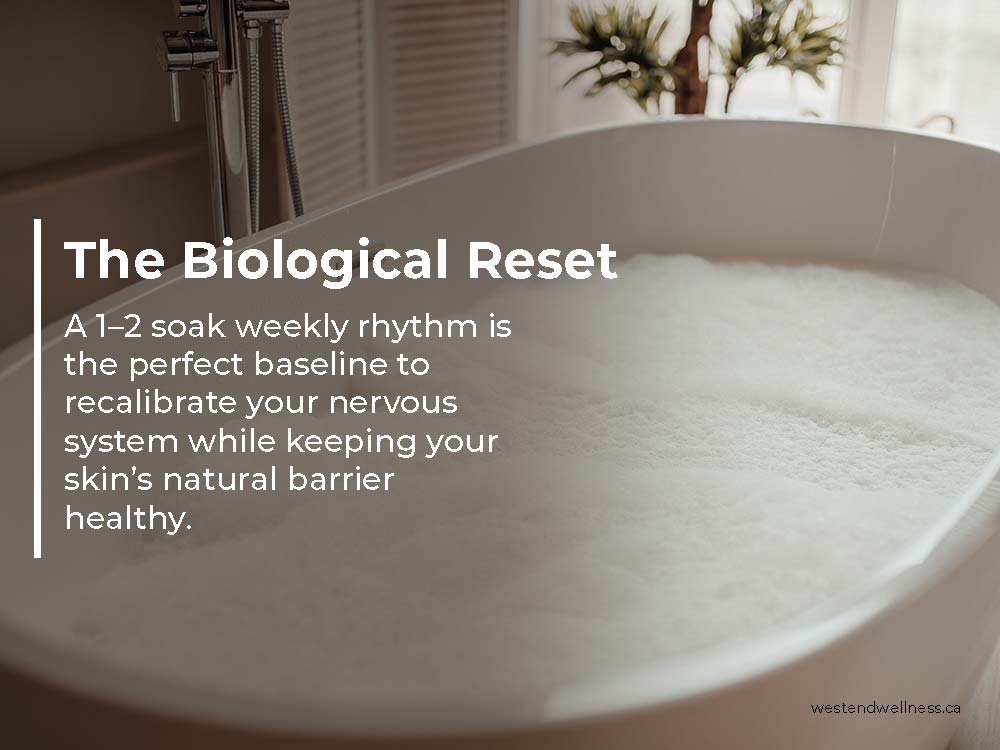
For general maintenance and stress management, once or twice a week is usually the sweet spot. This allows you to enjoy the benefits of the magnesium sulphate without over-sensitizing your skin.
However, if you are dealing with a specific "flare-up" or chronic inflammation, you might find more relief by soaking for a short period every other day. For athletes or those with high physical demands, incorporating a soak into your post-workout routine can be a game-changer for reducing muscle soreness and speeding recovery.
As always, the key is to be mindful of how your body responds. If you notice any signs of dryness, simply dial back the frequency.
Alternative Remedies for Foot Pain and Discomfort
While magnesium sulphate is a heavy hitter for relaxation, it is not the only tool in the shed. Sometimes your feet need a different type of attention, especially if you are dealing with a fresh injury or a structural issue that a bath cannot reach.
To help you decide which path to take, here is a quick look at how different remedies stack up against the soak:
Acute Sprains & Strains
General Tension
Flat Feet / Plantar Fasciitis
When to Choose Ice Over Heat
If you have just "tweaked" your ankle or noticed sudden swelling after a run, put the Epsom salts away for a moment. Cold therapy is the gold standard for acute injuries because it helps constrict blood vessels to keep inflammation under control.
You can use a simple cold compress for 10 to 15 minutes to help manage the initial discomfort. For a deeper dive into the "ice vs heat" debate, this guide on temperature therapy is a great resource.
Manual Release and Massage
Foot massages are an excellent way to relieve discomfort trapped deep in the arches. Whether you are using your own hands, a specialized foot massager, or even a tennis ball, the goal is to physically break up tension. If you want to elevate this, incorporating essential oils or recovery creams can add a therapeutic "boost" to the massage.
Structural Support: Thinking Long-Term
Sometimes, foot pain isn't about the muscles; it is about the mechanics. If you find that your pain returns every time you go for a walk, the issue might be your footwear.
High-quality shoes with proper arch support can prevent pain before it even starts. In more specific cases, such as dealing with persistent plantar fasciitis, custom orthotics can provide the targeted alignment your feet need to heal properly.
The American Podiatric Medical Association provides excellent advice on how to choose shoes that actually support your health.
Additional Ingredients to Enhance Your Soak
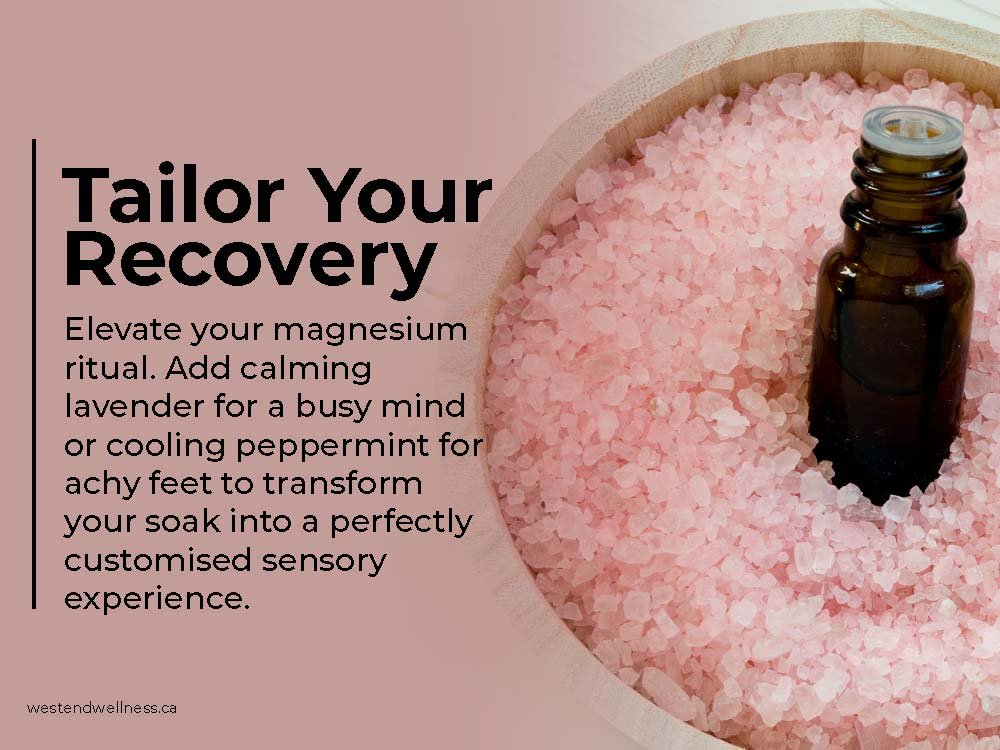
While the magnesium sulphate provides the foundation for muscle relief, adding a few botanical extras can turn your recovery time into a full sensory experience. Think of these as the supporting cast that helps the minerals do their job even better.
Botanical Boosts: Customizing Your Experience
Whether you are looking to quiet a busy mind or refresh tired feet after a long walk in Stanley Park, these additions can help tailor the soak to exactly what you need.
To help you choose the right "boost," here is a quick breakdown of some clinic favourites:
Calming and sedative
Cooling and invigorating
Antifungal support
Anti-inflammatory
Circulatory stimulant
A Touch of Luxury: Milk and Honey
If you want to move beyond minerals and oils, look to your pantry for skin-softening secrets.
Milk: It contains lactic acid, which acts as a gentle, natural exfoliant. Adding a cup to your soak helps soften rough patches and calluses without harsh scrubbing.
Honey: Known for its antibacterial and moisturizing properties, honey helps lock hydration into the skin. It’s a perfect addition if your feet feel particularly dry or weathered.
A Note on Safety: Always remember that essential oils are highly concentrated. It is best to mix them with a "carrier," such as a little coconut oil or the milk mentioned above, before adding them to the water.
This ensures they disperse evenly rather than floating on top. You can find more details on safe essential oil usage to ensure your soak remains a restorative experience.
Understanding the Risks: When to Exercise Caution
While magnesium sulphate is a cornerstone of home recovery, it is not a "one-size-fits-all" solution.
Because the skin is an active organ that absorbs what we put on it, there are specific scenarios where you should pause or consult a professional.
Skin Integrity and Sensitivity
The most common risk is simple skin irritation. If you have open wounds, severe rashes, or broken skin, the high salt concentration can cause significant stinging and potentially delay tissue healing.
Additionally, those with extremely sensitive skin or conditions like eczema might find that the minerals strip away natural oils too quickly, leading to "parchment-dry" skin or redness.
Circulatory and Blood Pressure Considerations
Because warm water immersion naturally dilates your blood vessels (vasodilation), it can cause a temporary drop in blood pressure. If you already struggle with low blood pressure or frequently feel lightheaded when standing up quickly, a long, hot soak could make these symptoms worse.
Pre-existing Medical Conditions
There are certain health profiles where magnesium absorption needs to be managed carefully:
Kidney Health: Since the kidneys are responsible for processing and excreting magnesium, individuals with chronic kidney disease should consult their doctor before regular use to avoid magnesium buildup.
Diabetes: People with diabetes should be particularly careful with water temperature. Nerve damage (neuropathy) can sometimes make it difficult to feel if the water is scalding, leading to accidental burns.
Pregnancy: As we mentioned earlier, the risk here is primarily related to overheating. Keeping the water warm rather than hot is the safest approach.
Practitioner's Advice: If you are unsure how a soak will interact with your current health status, the best resource is a conversation with a qualified professional. Whether you are seeing us for Acupuncture or Registered Massage Therapy, we can help you tailor your home care to support your clinical goals without unnecessary risk.

Uncover the potential benefits of Epsom salt baths for relaxation, muscle soreness, and stress relief. From the science behind Epsom salts to the common misconceptions and practical tips for the perfect soak.
Frequently Asked Questions
Do magnesium soaks actually work?
Yes. While it might feel like a simple home remedy, the process of transdermal absorption is quite real. When you soak, the magnesium sulphate moves through the skin barrier to help regulate muscle contractions and calm the nervous system. Most people notice an immediate reduction in muscle "noise" and a general sense of relaxation.
You can explore the clinical effects of hydrotherapy to see how warm water and minerals work together to manage pain.
Can you use magnesium sulphate while pregnant?
Generally, yes. Many people find that a warm soak is a lifesaver for the swollen ankles and back aches that come with pregnancy. However, the most important factor is the water temperature; you want to ensure it is not too hot to avoid raising your core body temperature.
It is always a good idea to have a quick chat with your healthcare provider or midwife before starting a new routine while pregnant to ensure it fits your specific health needs.
Is magnesium sulphate the same as Epsom salt?
Exactly the same. Magnesium sulphate is simply the chemical name for Epsom salt. It was named after a saline spring in Epsom, England, where the mineral was first distilled. Whether the bag in your cupboard says "Epsom Salt" or "Magnesium Sulphate," the biological benefits for your muscles and nerves are identical.
What is better, Epsom or magnesium?
This is a common point of confusion because Epsom salt is a form of magnesium. However, you might also see "Magnesium Flakes" (which are magnesium chloride) on the shelf.
While both are excellent for soaking, some practitioners believe that magnesium chloride flakes are slightly more bioavailable, meaning the body may absorb them more easily. That said, Epsom salt remains the gold standard for most recovery rituals due to its high sulphate content, which supports detoxification.
Final Thoughts: Finding Your Flow
Incorporating magnesium sulphate soaks into your self-care routine is a simple, effective way to support your body's natural healing processes.
By understanding the science of how these minerals interact with your nervous system, you can make informed choices about your recovery without it feeling like another "to-do" list item.
The most important thing is to remain mindful.
Pay attention to how your body responds to the temperature, the duration, and the frequency of your soaks. Whether you are looking to soothe the physical toll of a Vancouver commute or seeking a quiet moment to reset after a heavy workout, these small adjustments can lead to lasting changes in how you feel.
Consistency is key, but so is listening to your body’s unique signals. Take the time to indulge in this practice and experience the rejuvenating effects of magnesium for yourself.
If you have any further doubts or questions regarding this subject or another treatment, contact one of our experienced Acupuncturists or Registered Massage Therapists here at West End Wellness Clinic. You can either give us a call or make an appointment.
Disclaimer: Please remember this article is for informational purposes only and should not replace professional medical advice. Please consult a healthcare provider or someone with the correct qualifications before starting any new exercise or treatment program.