
7 Key Qualities of A Successful RMT in Vancouver

Table of Contents Show
Quick Summary
Finding the right practitioner is about more than just a good massage; it’s about a professional partnership. While technical skill is the baseline, the key qualities of a successful registered massage therapist include active listening, clinical curiosity, and the ability to explain complex anatomy simply.
A true massage expert in Vancouver creates a safe environment where your boundaries are respected, and your progress is tracked over time. From recognizing their professional scope to adjusting pressure based on your body’s real-time feedback, these traits ensure your care is personalized. If you are seeking registered massage therapy (RMT) in downtown Vancouver, prioritizing these qualities will help you find a therapist who supports your long-term wellness goals.
TL;DR – Benefits of Therapeutic Massage You Might Not Know
A great registered massage therapist goes beyond technique and focuses on how your body responds over time
Feeling listened to, safe, and comfortable is just as important as pressure or skill
The best RMTs understand anatomy but explain it in a way that actually makes sense
Professional integrity matters. Great therapists know when something is outside their scope
Consistent care and follow-up lead to better, longer-lasting results
Skill shows up as a balance of strength, awareness, and adaptability
When you regularly leave feeling more comfortable, calmer, and supported, you’ve likely found the right fit
We’ve already talked about how to find the best RMT in downtown Vancouver by looking at clinics and reviews.
But once you’re actually on the table, how do you know if you’ve found 'the one'?
Beyond just the technique, there are specific key qualities of a successful registered massage therapist that turn a standard appointment into life-changing care. Let us agree that finding a registered massage therapist isn’t just about credentials or technique. It’s about how you feel before, during, and after each session, and whether the care actually fits into your life.
Most people don’t realize what makes a great RMT until they’ve had a few sessions that missed the mark. Maybe the pressure felt rushed. Maybe the treatment didn’t change from visit to visit. Or maybe you left feeling worked on, but not really cared for.
A great registered massage therapist stands out in quieter ways. They listen. They adapt. They remember. Over time, the work feels less like a one-off appointment and more like part of your overall care.
If you’re trying to figure out whether you’ve found the right fit, these signs can help you trust what your body and instincts are already telling you.
The Key Qualities That Make an RMT Successful
Most people assume finding a great registered massage therapist comes down to pressure, credentials, or how sore they feel the next day. Those things matter, but they’re only part of the picture.
The difference between an okay massage and truly good care usually shows up in smaller, quieter ways. How the therapist listens. How they adjust. How they respond when something changes. How the work evolves over time instead of repeating the same routine.
These seven signs aren’t about judging skill from the outside. They’re about noticing how your body and nervous system respond during and after treatment. They’re the things clients often recognize only after they’ve experienced them firsthand.
If you’ve ever wondered why one therapist feels right while another doesn’t, even when both are qualified, these signs help explain why.
You don’t need to check every box. But when several of these show up consistently, it’s usually a sign you’ve found someone worth sticking with.
1. They Actually Listen to You
A great registered massage therapist doesn’t just ask, “What brings you in today?” They actually pay attention to the answer.
Maybe you’re dealing with a tight lower back after weekend hikes, or that familiar shoulder tension that builds up after long days at a desk. A skilled RMT takes the time to understand your body’s patterns, your pain points, and what your day-to-day life looks like. Not just on the first visit, but every time you come in.
That kind of listening matters whether you’re booking Registered Massage Therapy for ongoing stress, injury recovery, or general maintenance. Care should evolve as your body does.
And here’s the part people often don’t expect. Great RMTs don’t just listen with their ears. They listen with their hands. You feel it in how pressure changes, how pace slows or deepens, and how techniques are adjusted based on your body’s response in real time.
When a therapist is truly paying attention, the session feels less like a routine and more like care that’s tailored to you.
2. They Know Their Anatomy (But Don’t Make You Feel Like You’re in a Science Class)
Registered massage therapists go through extensive training, but the best ones know that rattling off anatomy terms doesn’t help anyone relax.
Instead, they explain what’s going on in a way that makes sense. Maybe they point out how tight hips are contributing to your lower back discomfort, or why neck tension can be linked to posture and long hours at a desk. You leave the session understanding your body a bit better, without feeling like you just sat through a lecture.
This kind of explanation builds trust. It shows the therapist knows what they’re doing and knows how to communicate it clearly. Over time, that understanding can also help you make small changes between sessions, whether that’s adjusting how you sit, move, or recover. It’s one of the reasons many clients find value in combining massage with broader conversations around posture and movement patterns, especially if those habits are contributing to ongoing tension.
3. They Make You Feel Safe and Comfortable
Massage is personal. You’re trusting someone with your body, your boundaries, and often a fair amount of vulnerability. Feeling safe isn’t a bonus. It’s essential.
Great RMTs understand that comfort goes beyond technique. It shows up in small but important ways. A clear intake conversation. A warm table on a cold Vancouver day. Pressure that’s adjusted the moment your body tenses. A simple check-in that makes it clear your comfort matters.
You should never feel rushed, judged, or unsure about what’s happening during a session. A good therapist creates an environment where you can relax fully, ask questions, and speak up if something doesn’t feel right.
When safety and comfort are there, your nervous system settles. And when that happens, the work tends to be more effective. Your body isn’t bracing. It’s responding.
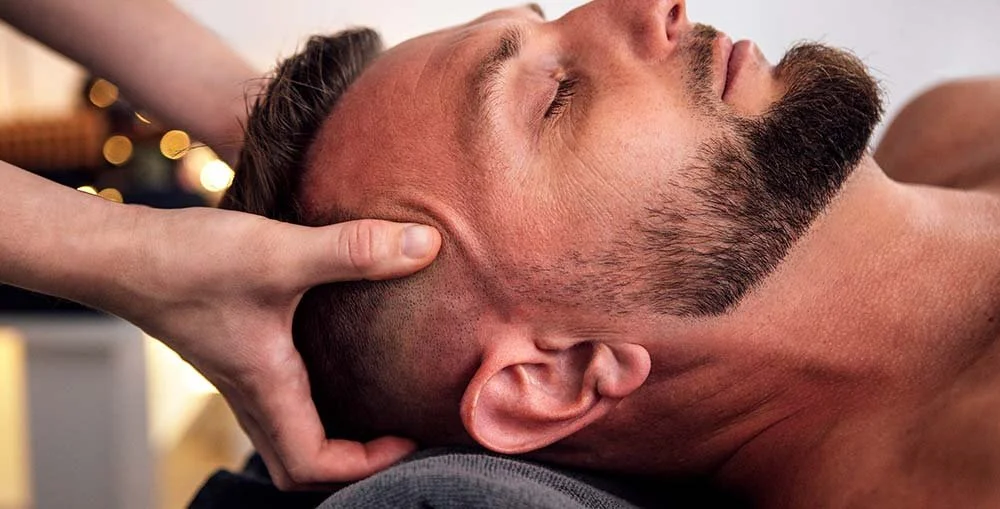
4. They’re Not Afraid to Say “That’s Out of My Scope”
There’s a quiet confidence in a therapist who knows their limits.
A great registered massage therapist understands when massage is helpful and when something else might be needed. If a symptom doesn’t respond as expected, feels unusual, or falls outside what massage can safely address, they’ll tell you. That honesty matters.
Sometimes that means suggesting you speak with your doctor. Other times it means referring you to a physiotherapist, chiropractor, or another practitioner. Far from being a weakness, this kind of collaboration shows professionalism and respect for your overall well-being.
The best RMTs don’t work in isolation. They see your care as part of a bigger picture, and they’re comfortable guiding you toward the right support when massage isn’t the only answer.
5. They Care About Your Progress (Not Just Your Appointment Time)
There’s a noticeable difference between someone who treats you as a time slot and someone who remembers your story.
A great RMT checks in. They ask how your shoulder felt after the last session. They remember the stretch that helped or the area that flared up after a long week. Over time, treatment isn’t repeated out of habit. It evolves based on how your body responds.
That kind of follow-through builds trust. It also leads to better outcomes, especially for ongoing concerns like stress-related tension or chronic discomfort.
In a city where schedules are tight and everything moves quickly, finding a therapist who slows down and pays attention can make care feel personal again. And for many people, that’s what keeps them coming back.
6. They Have a Magic Mix of Strength + Intuition
This one can be hard to describe, but you know it when you experience it.
Great registered massage therapists have the strength to work deeply when it’s appropriate, but they also know when to ease off. It’s not just about pressure. It’s about timing, responsiveness, and reading what your body is doing in the moment.
They notice when tissue softens, when your breathing changes, or when your body starts to guard. Technique shifts accordingly. Sometimes the most effective work isn’t the deepest, but the most thoughtful.
That balance comes from training, experience, and paying close attention session after session. When it’s there, the work feels intentional rather than forceful, and your body responds more easily.
7. You Feel Better After Seeing Them
This is often the clearest sign of all.
Feeling better doesn’t always mean every ache disappears instantly. It might show up as moving more freely, breathing a little deeper, or feeling less tense in your shoulders and jaw. Sometimes it’s a sense of calm that carries into the rest of your day.
Over time, the changes become more noticeable. Flare-ups are easier to manage. Recovery feels quicker. You trust that your body is being supported, not pushed.
When you consistently leave a session feeling more comfortable, more grounded, and more at ease, that’s usually a sign you’ve found the right fit. And that’s what keeps care sustainable.
Bonus: They Demonstrate "Clinical Curiosity" and Expertise
A true massage expert in Vancouver doesn't just rely on what they learned in school years ago; they are "clinically curious." This means they stay updated on the latest in pain science, postural health, and therapeutic techniques.
You’ll notice this quality when they explain the why behind a certain treatment, like how desk-based "tech neck" might actually be rooted in mid-back immobility. They aren't just following a routine; they are applying expert-level clinical reasoning to your specific case. This commitment to ongoing learning is one of the key qualities of a successful registered massage therapist because it ensures your care is always evolving with the best available evidence.

Finding the best RMT in downtown Vancouver isn’t about chasing a perfect name or the deepest pressure. It’s about finding someone who understands how your body actually moves through city life. Long workdays, tight commutes, too much sitting, not enough recovery.
Frequently Asked Questions
How do I know if a massage therapist is a "registered" expert in BC?
In British Columbia, a true expert must be a Registered Massage Therapist (RMT). This means they have completed over 2,200 hours of accredited training and are regulated by the College of Complementary Health Professionals of BC (CCHPBC). You can verify their status on the official provincial registry to ensure you are receiving evidence-based, professional care.
Should a great RMT check in about pressure during the session?
Yes. While a successful RMT has the intuition to read tissue response, they should always verbally check in—especially during your first few visits. Expert-level care is a partnership; your therapist should ensure the pressure is therapeutic without crossing into "guarding" or sharp pain, adjusting their technique based on your real-time feedback.
What should I ask to find a massage expert for my specific injury?
When looking for an expert RMT in downtown Vancouver, don't be afraid to ask about their experience with your specific condition, whether it’s TMJ, sports recovery, or chronic "tech neck." A successful therapist will be able to explain their clinical approach and, if it's outside their scope, refer you confidently to the right specialist.
Is it better to book a longer session for my first RMT visit?
For a first-time appointment at a Vancouver RMT clinic, a 60-minute session is usually recommended. This allows enough time for a thorough initial assessment, one of the key qualities of a successful therapist, without rushing the actual treatment. This ensures your therapist understands your health history before they begin.
Final Thoughts
Finding a great registered massage therapist isn’t about chasing the deepest pressure or the longest list of techniques. It’s about how the care fits into your life and how your body responds over time.
When you feel listened to, supported, and comfortable, the work tends to be more effective. Progress feels steady rather than forced. Appointments feel purposeful instead of rushed.
These signs aren’t meant to pressure you into a decision. They’re simply a way to help you notice what good care looks and feels like, especially if you’ve had mixed experiences in the past.
If you’re paying attention to how your body feels during and after each session, you’re already doing the most important part. The right fit often becomes clear when care feels consistent, respectful, and supportive, not just once, but over the long term.
If you have any further doubts or questions regarding this subject or another treatment, contact one of our experienced Acupuncturists or Registered Massage Therapists here at West End Wellness Clinic. You can either give us a call or make an appointment.
Disclaimer: Please remember this article is for informational purposes only and should not replace professional medical advice. Please consult a healthcare provider or someone with the correct qualifications before starting any new exercise or treatment program.