
The Benefits of Massage Therapy for Post-Workout Recovery
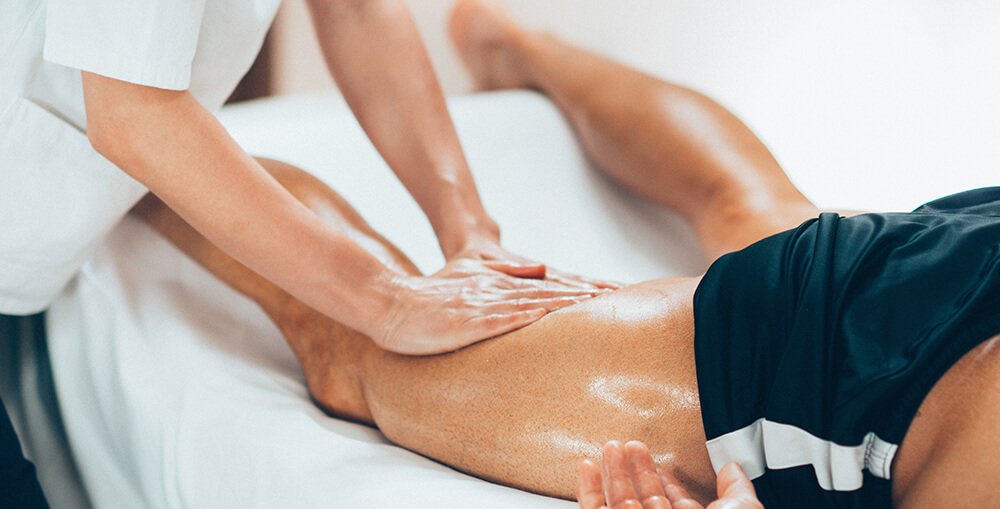
Table of Contents Show
Quick Summary
We’ve all experienced that morning-after sensation, where your muscles feel like lead and even simple movements are a challenge. While many treat this soreness as a badge of honor, it is actually your body’s signal that your tissues are in a high-intensity repair cycle.
This article explores the physiology of post-workout recovery, moving beyond the idea of 'relaxation' to look at massage as a clinical necessity. We’ll break down how manual therapy interrupts the Ischemic Cycle, flushes out metabolic waste, and restores the tissue elasticity required for your next session. Instead of just waiting for the ache to fade, learn how a targeted clinical reset can speed up your recovery and keep your training on track.
TL;DR: The Recovery Reset Brief
The Goal: Transitioning the body from a 'stressed' sympathetic state to a parasympathetic repair state to accelerate muscle healing.
The Science: Professional massage increases local circulation and breaks down fascial adhesions that contribute to Delayed Onset Muscle Soreness (DOMS).
The Clinical Edge: Unlike passive rest, an RMT identifies specific trigger points and mechanical restrictions that home tools often miss.
The Timing: For maximum benefit, the 'sweet spot' for a post-workout treatment is typically 24 to 48 hours after your most intense training session.
Exercising not only revs up those endorphins, leaving you with that unbeatable "feel-good" sensation, but it's also a cornerstone of maintaining a healthy lifestyle.
However, anyone who's amped up their workout routine or dusted off their gym membership after a hiatus knows the familiar, often daunting anticipation of muscle soreness.
Yes, we stretch to ease some of that discomfort, hoping to glide through the rest of our day without the telltale workout wince.
But what if there was another key to unlocking a more effective recovery? Enter the realm of post-workout massage.
Nikki Liang, a seasoned massage therapist at West End Wellness, was asked to share his thoughts about post-workout massages: "Massage after a workout goes beyond soothing tired muscles; it's about enhancing your body's recovery process."
"By stimulating blood and lymph flow, reducing inflammation, and easing muscle stiffness, massage therapy plays a pivotal role in not just recovery but also in improving overall flexibility and addressing pain points."
Nikki adds, "Integrating massage therapy into your wellness regimen complements other good practices too, like staying well-hydrated, incorporating gentle movement and stretching into your cooldown, and balancing your workouts with both cardio and resistance training."
Incorporating these insights and practices, our clinic aims to bridge the gap between hard work and holistic well-being, ensuring your path to fitness is as rewarding as healthy.
Common Post-Workout Injuries & Symptoms
Engaging in physical activities, especially intense or new exercises, can sometimes lead to injuries or discomfort.
There is no way around it: a workout injury can happen to anyone at any time. Even a top athlete can find themselves on the sidelines for a length of time. Some may think they are safe because they are young or have a good balance that prevents injury, but everyone is at risk of a sports injury.
Recognizing symptoms common with post-workout injuries is crucial for timely and effective management. Here's a list of symptoms that might indicate you've sustained an injury during your workout:
Muscle Soreness: While some soreness is normal, intense or prolonged soreness beyond 48 hours might indicate an injury.
Swelling: Any unusual swelling in the muscles or joints post-exercise.
Redness or Bruising: Visible signs of redness or bruising on the skin surface.
Reduced Range of Motion: Difficulty moving the affected area through its full range of motion.
Sharp or Shooting Pain: Sudden, sharp pains during or after exercise, different from typical muscle fatigue.
Stiffness: Excessive stiffness in the muscles or joints that doesn't ease with gentle stretching or movement.
Weakness: A noticeable lack of strength in the affected area makes performing usual activities difficult.
Numbness or Tingling: A sensation of numbness or "pins and needles" in any part of the body.
Joint Instability: A feeling of instability or "giving way" in the joints, particularly the knee or ankle.
Recognizing these symptoms early can help address them promptly with appropriate massage techniques, significantly reducing recovery time. If you experience any of these symptoms in a manner that concerns you or affects your ability to function normally, consulting with a healthcare professional is strongly advised.
Active vs. Passive Recovery: Why Your Couch Isn't Enough
When we are exhausted after a heavy training session, our natural instinct is passive recovery, simply sitting still and letting time do the work. While sleep is the ultimate recovery tool, static rest during the day can actually stiffen the body.
Without movement, blood flow slows, and the metabolic byproducts of exercise (like hydrogen ions and lactic acid) can linger in the muscle tissue, prolonging the sensation of soreness.
Active Recovery: On the other hand, involves low-intensity movement and clinical manual therapy to keep the body’s 'pump' working. This is where the mechanical advantage of massage therapy comes in.
Passive Recovery (Resting): Relies on your body’s baseline circulation to slowly filter out waste and repair micro-tears. This process is slow and often leads to the 'stiff' feeling of Delayed Onset Muscle Soreness (DOMS).
Active Recovery (Clinical Massage): Actively 'pushes' fresh, oxygenated blood into the ischemic (tight) tissues. By using techniques like Myofascial Release, an RMT can manually move fluid through the lymphatic system faster than your body can do on its own.
The Clinical Difference: While a light walk is a great form of active recovery, it is a general tool. Clinical massage is a targeted tool. We can identify the specific muscle groups that took the most abuse during your workout and ensure those specific areas receive the circulation they need to repair.
You aren't just waiting to feel better; you are manually accelerating the healing process.
The Physiological Benefits of Post-Workout Massage
Post-workout massage isn't just a luxury; it's also a gentle reminder of the importance of nurturing ourselves, honouring our bodies' hard work, and committing to practices that support our overall well-being.
Understanding the multitude of ways massage can positively influence our post-workout recovery opens the door to more efficient, enjoyable, and sustainable fitness routines.
Here are six key benefits that highlight the powerful role massage therapy plays in our wellness journey:
Reduces Soreness
Alleviates post-training discomfort by interrupting pain signals and calming the nervous system.
Improves Circulation
Enhances blood flow to ensure oxygen and vital nutrients reach recovering muscle tissues.
Increases Flexibility
Targets fascial restrictions to restore range of motion and prevent adaptive shortening.
Reduces Inflammation
Aids the body’s natural inflammatory response by facilitating the clearance of metabolic waste.
Promotes Relaxation
Transitions the body into a parasympathetic state, the essential "rest and digest" mode for repair.
Accelerates Recovery
Reduces downtime between sessions, allowing for a more consistent and effective training schedule.
These benefits collectively ensure that each workout brings you closer to your goals through enhanced performance, quicker recovery, and fostering a deeper connection between mind, body, and spirit.
Remember that for those who strive for health and vitality, incorporating massage into your recovery rituals is more than a luxury, it's a fundamental component of a balanced and sustainable approach to wellness.
Choosing Your Recovery: Types of Massage for Post-Workout
Several massage techniques can be beneficial after a workout, and so we will explore a few:
Relaxation Massage (Swedish Massage): This gentle form of massage is perfect for overall relaxation and muscle recovery. It involves long, flowing strokes, kneading, and circular movements on the top layers of your muscles, promoting circulation and muscle relaxation.
Deep Tissue Massage: For those dealing with chronic muscle tension or injury recovery, deep tissue massage can be particularly effective. This technique focuses on the deeper layers of muscle tissue, aiming to release persistent muscle knots or adhesions.
Sports Massage Therapy: A massage therapist will target sore areas, loosen tightness, and boost circulation. This speeds up recovery, leaving you limber and ready for your next fitness challenge.
Self-Message: Don't have time to visit a professional? Self-massage techniques, such as using foam rollers or tennis balls, can be a convenient alternative. They allow you to focus on specific areas that need attention, helping to relieve tightness and improve mobility.
Massage Guns: A modern and efficient way to soothe muscle soreness and improve recovery. These devices use percussive therapy to deeply massage the muscles, promoting blood flow and reducing pain. They're handy for athletes and anyone looking to accelerate recovery.
Each massage type offers unique benefits that can significantly aid post-workout recovery. They can help alleviate soreness, improve flexibility, and prepare the body for its next physical challenge.
Choosing the right type or combination of massages can be based on personal preference, specific fitness goals, and the nature of any muscle discomfort or injuries you're experiencing.

There are different types of muscle soreness, and knowing the difference is essential. Here we discuss those, and ways to treat them.
Safety First: Precautions for Post-Workout Treatment
When adding massage to your post-workout recovery, paying attention to safety and how your body feels is crucial. Remember, massage is usually safe, but sometimes it might not be a good idea.
If you have a new or sensitive injury, it’s smart to wait until it’s a bit better before getting a massage to avoid making it worse.
If you have any health issues, especially ones that affect your skin or blood flow or if you’re at risk for blood clots, make sure to tell your massage therapist. They know how to work with different health conditions, but they need to know about yours to adjust their method.
It’s also important to speak up during your massage. If anything feels too strong or you’re uncomfortable, say something. The point is to help you recover, not to cause more pain or discomfort.
Choosing an experienced massage therapist who knows about recovery after sports or workouts will not only help improve your body's mechanics, but they can also help you avoid and understand areas that you may need to focus on so you can prevent injuries.
Adding massage to your routine doesn’t mean you should stop doing other healthy things. Keep drinking water, sleeping well, and eating right. Massage is great alongside these practices, not instead of them. It’s about making a full plan for recovery that looks after all parts of your body’s needs.
How to Include Massage Into Your Post-Workout Routine
Integrating massage into your post-workout routine is really about listening to your body and finding what works best for you.
Think about treating yourself to a professional massage a couple of times a month, especially after those workouts that push you harder than usual.
It's a great way to tackle deep muscle soreness and keep your body limber and ready for what’s next.
On the days in between, don't overlook the power of self-massage or the help of a foam roller or massage gun. These tools are fantastic for zeroing in on any tight spots and keeping things loose.
Consider how often you work out and how your body feels to decide how frequently to massage. It's like adding another layer to your recovery process, alongside staying hydrated and getting enough rest.
When you do go for that massage, chatting with your professional therapist about your workout routine and any specific sore spots can make all the difference.
They can tailor the session to exactly what you need, helping you bounce back faster and stronger. Remember, it's all about what feels right for you and keeps you moving towards your fitness goals.

Post-Workout Massage: helps clear muscle soreness faster by boosting circulation.
Frequently Asked Questions
How soon after a workout can I get a massage?
For most training sessions, waiting 24 to 48 hours is the "sweet spot." This allows the initial phase of acute inflammation and microscopic tissue repair to settle, making the treatment more effective and comfortable. However, if you've completed an endurance event like a marathon, a light "flush" massage can be beneficial sooner to aid lymphatic drainage.
Can massage help with muscle growth?
While massage doesn't build muscle directly, it creates the optimal environment for hypertrophy. By breaking down fascial adhesions and improving local circulation, massage ensures that oxygen and nutrients are efficiently delivered to the muscles. This accelerates the repair of micro-tears, allowing you to return to high-intensity training sooner.
Is it normal to feel sore after a massage?
Yes, mild "post-treatment soreness" is common, especially after Deep Tissue Massage or Trigger Point Therapy. This is a result of the mechanical pressure used to release chronic tension. It typically subsides within 24 to 48 hours as fresh blood flushes the area. We always recommend staying hydrated after the session to support this metabolic clearance.
Final Thoughts: Making Recovery Your Competitive Advantage
In closing, we've explored the significant role massage therapy plays in optimizing your post-workout routine.
Remember, massage goes beyond a momentary indulgence; it's a strategic investment in your long-term well-being and a key to unlocking your full fitness potential.
Regular massage therapy, coupled with healthy habits like staying hydrated, getting enough sleep, and maintaining a balanced workout regimen, creates a powerful synergy. This holistic approach fosters a smoother recovery process, reduces the risk of injury, and keeps you motivated and energized to achieve your fitness goals.
So, take a moment to listen to your body's needs.
Explore the various massage options we've discussed, and discover what works best for you.
Remember, a commitment to self-care paves the way for a more rewarding and sustainable journey towards a healthier you. Take charge of your recovery, embrace the power of massage, and watch your fitness journey flourish!
If you have any further doubts or questions regarding this subject or another treatment, contact one of our experienced Acupuncturists or Registered Massage Therapists here at West End Wellness Clinic. You can either give us a call or make an appointment.
Disclaimer: Please remember this article is for informational purposes only and should not replace professional medical advice. Please consult a healthcare provider or someone with the correct qualifications before starting any new exercise or treatment program.