
Beyond Relaxation: The Clinical Case for Stress-Relieving Massage

Table of Contents Show
Quick Summary
In a city that rarely slows down, your nervous system can become trapped in a "bracing" cycle, where the body remains physically tight long after the stressor has passed. A stress relieving massage at West End Wellness is more than a moment of quiet; it is a clinical intervention designed to engage the Cortisol Brake.
By applying targeted manual pressure, we signal the brain to shift from a high-alert sympathetic state into a restorative parasympathetic mode. This article explores the biological mechanics of stress, why chronic tension leads to physical "lock-in," and how a sophisticated, professional approach to massage therapy can recalibrate your physiology and restore systemic balance.
TL;DR – The Clinical Case for Stress-Relieving Massage
The Stress Loop: Chronic stress causes the body to enter a state of "constant bracing," where muscles stay partially contracted even while you sleep.
The Performance Cost: This sustained tension leads to shallow breathing, restricted blood flow, and a "wired-but-tired" feeling that affects your mental clarity.
The Physiological Reset: A targeted stress relieving massage isn't just a luxury; it is a clinical intervention that signals the parasympathetic nervous system to take over.
Clinical Synergy: By combining RMT with Acupuncture, you address stress from both a mechanical and an energetic standpoint, creating a deeper, more lasting sense of calm.
What is the "Cortisol Brake"?
Let’s start with the basics.
Cortisol is a hormone your body releases when it feels under pressure. It is part of your stress response system and plays an important role in helping you stay alert, focused, and ready to act. In short bursts, cortisol is helpful. The problem is that many people now live with stress that never really shuts off.
When stress becomes constant, your nervous system stays locked in a state known as the sympathetic response, often called fight-or-flight. This means cortisol remains elevated longer than it should, keeping muscles tense and the body on high alert. Over time, this makes recovery harder, sleep lighter, and tension more persistent.
The idea of the cortisol brake refers to your body’s ability to shift out of that high-stress state and into the parasympathetic nervous system, which supports rest, digestion, and tissue repair. This shift allows cortisol levels to settle and gives your body a chance to soften and reset.
Stress-relieving massage can support this transition. Research shows that massage therapy can stimulate pressure receptors in the skin and muscles that communicate with the nervous system, helping reduce stress signals and lower cortisol levels after treatment. A well-known review published in the Journal of Alternative and Complementary Medicine found that massage was associated with decreases in cortisol alongside increases in serotonin and dopamine, which are linked to relaxation and mood regulation.
This does not mean massage “turns off” stress completely. What it does is create the conditions your body needs to move out of constant alert mode and into a state where recovery is possible. For people dealing with chronic stress, that shift alone can be meaningful.
In practical terms, the cortisol brake is not a physical switch. It is a physiological response that allows your nervous system to slow down, your muscles to release, and your body to stop bracing for the next demand.
The Bracing Cycle
The Cortisol Brake
Clinical Insight
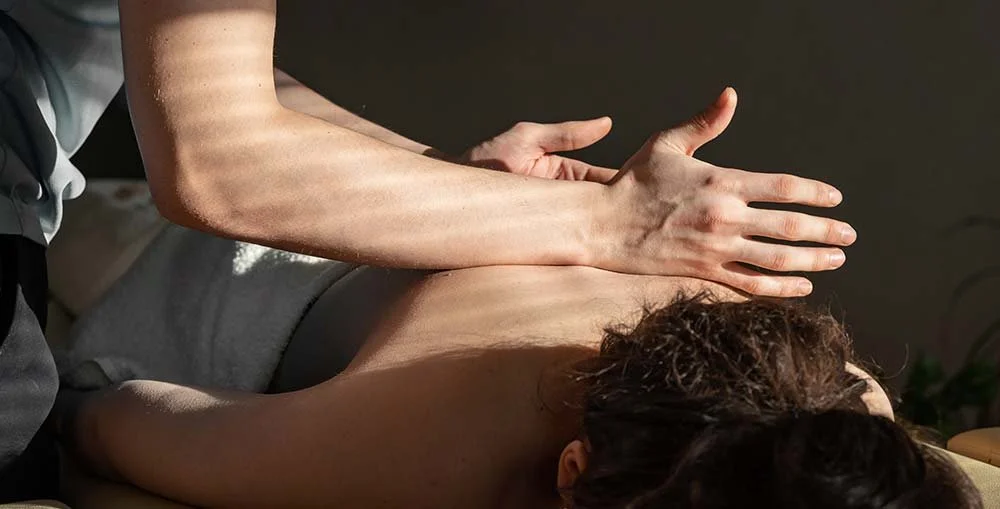
Think of a client we'll call "Mark," a high-level executive who came to us with "permanent" shoulder tension. Mark wasn't injured, he was just bracing. His brain had forgotten how to turn the muscles off. It wasn't until we applied the slow, rhythmic pressure of an RMT session that his nervous system felt "safe" enough to release the hold.
Common Mistakes in Stress Management
When we feel overwhelmed, our instinct is to try to "fix" the stress by doing more. However, many of the ways we try to relax actually keep our nervous system on high alert. To let the cortisol brake do its work, we have to avoid these common traps:
The "Productive" Relaxation Trap: We often try to relax while multitasking, listening to an intense podcast or planning tomorrow's schedule, while in the bath. This keeps the brain in an active, "solving" mode. True stress relief requires "non-sleep deep rest," where your brain isn't required to process new information.
Waiting for the "Breaking Point": Most people wait until they have a tension headache or can't sleep before booking a stress-relieving massage. By then, the bracing pattern is deeply ingrained. Think of your sessions as "oil changes" for your nervous system. It's much easier to maintain a calm baseline than it is to recover from a total burnout.
The Stimulant Cycle: Using caffeine to power through the day and then expecting your body to "drop" into relaxation the moment you get home is a tall order. Stimulants keep your cortisol artificially high, which can act like a foot on the gas pedal even while you're trying to hit the brakes.
Extending the Brake: Home Care
A professional session provides the "reset," but what you do between visits determines how long that feeling lasts. You can help your body stay out of the "bracing" cycle with a few simple, human-focused habits:
-
Stress makes our breathing shallow and trapped in the chest. When you feel your shoulders creeping up toward your ears, focus on making your exhale longer than your inhale. This physically triggers the vagus nerve, which is the "master switch" for your body's relaxation response.
-
You don't need a 60-minute workout to find relief. Simple, slow movements—like gentle neck rolls or opening up your chest with a doorway stretch—can help remind your muscles that they aren't stuck in one position.
-
Your brain needs a signal that the "work day" is over. This could be as simple as changing your clothes the moment you walk in the door, or a five-minute Epsom salt foot soak. These small physical cues tell your nervous system that it no longer needs to stand guard.
The Full Reset: When One Path Isn't Enough
Sometimes, your body is so used to being "on" that a single approach isn't quite enough to break the cycle. Imagine your stress is like a complex knot: massage therapy works on the outside of the knot, softening the strands, while acupuncture works from the inside out to release the core tension.
When we combine these two, we aren't just giving you a "treatment", we are creating a systemic shift.
How Massage and Acupuncture Speak to Your Brain
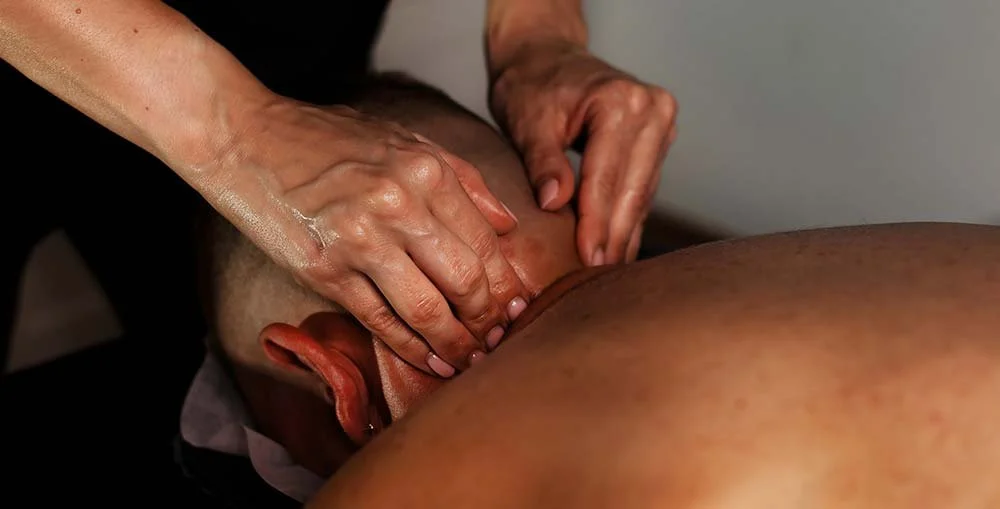
Think of a registered massage therapist (RMT) as the person who manually "unclenches" your muscles. By using slow, intentional pressure, they are physically showing your nervous system that it is safe to let go of the bracing pattern. It's a very tactile, grounded way to find relief.
Acupuncture, on the other hand, speaks to your body’s internal electrical system. By placing tiny, painless needles at specific points, we can "nudge" your brain into producing its own natural painkillers and feel-good chemicals. It’s like hitting a reset button on your internal thermostat, helping your body find its way back to a cool, calm baseline.
Real-World Relief: The "Wired-but-Tired" Fix
We see this often with clients who feel "wired but tired." You’re exhausted, but your mind is racing, and your shoulders are up to your ears. One client we worked with found that while massage helped her sleep better that night, it was the addition of acupuncture that finally stopped her from waking up with a clenched jaw.
By addressing both the physical tightness in the muscles and the "static" in the nervous system, you get a deeper level of rest that actually lasts until your next session. It’s about moving from just "getting through the day" to actually feeling like you’re back in the driver’s seat of your own body.
The 60-Second Manual Override: How to Release Stress Immediately
While a professional session offers the deepest reset, you can trigger a "mini-break" for your nervous system at home or even at your desk. This isn't about clearing your mind; it’s about using your biology to force your muscles to un-brace.
The Physiological Sigh
This is the fastest way to offload carbon dioxide and signal the brain to lower your heart rate. It’s a biological hack that humans (and dogs) do naturally when they’re stressed, but doing it intentionally is a game-changer.
Inhale deeply through your nose.
At the very top, inhale one more tiny "sip" of air to fully inflate the lungs.
Exhale slowly through your mouth until your lungs are completely empty. Repeat this just 2 or 3 times to feel an immediate shift in your chest and shoulders.
The Vagus Nerve "Ear Pull"
The Vagus nerve is the "highway" of your parasympathetic nervous system, and it has branches that sit very close to the surface of the skin in your ears.
Gently take hold of the inner ridge of your ear (the concha) with your thumb and index finger.
Lightly pull outward and slightly downward.
Massage in slow, tiny circles while breathing deeply. This subtle stimulation can help "shush" the fight-or-flight response when you’re feeling overwhelmed in a meeting or in traffic.
While these home techniques provide a quick reset, you can explore a more profound biological shift by seeing how Acupuncture directly targets the Vagus nerve to move your body from a state of 'alert' to deep, systemic healing.
The Peripheral Vision Shift
Stress causes "tunnel vision", we physically lock our eyes on the problem (or the screen). By widening your gaze, you tell your brain that there are no immediate threats.
Soften your gaze and look straight ahead.
Without moving your eyes, try to notice the space to your far left and far right at the same time.
Maintain this "panoramic" view for 30 seconds. This simple act of expanding your field of vision can break the "high-alert" signal your brain is sending to your neck and jaw.

Feeling constantly on edge or overwhelmed? This article explores how acupuncture can reduce stress by helping your body rebalance, relax, and reset. You’ll learn how tiny needles can make a big difference by calming the nervous system, improving sleep, and easing both mental and physical tension.
Frequently Asked Questions
How often do I need a massage to actually lower my stress?
It depends on how "loud" your stress is. For most people, a monthly session is a great way to maintain a baseline. However, if you are currently in a high-pressure season, such as a big project at work or a major life change, coming in every two weeks for a short period can help prevent the "bracing" pattern from becoming your permanent state. Think of it as a series of resets until your body remembers how to relax on its own.
Will I feel tired after a stress-relieving massage?
It is very common to feel a bit "heavy" or sleepy afterward. This is actually a sign that the cortisol brake worked. Your body is finally dropping out of that "wired" state and moving into "rest and digest" mode. We usually recommend clearing your schedule for an hour after your session so you don't have to jump right back into a high-stress environment.
Can acupuncture really help with mental stress?
Yes, but perhaps not in the way you’d expect. Acupuncture doesn't "fix" the source of your stress (like your workload), but it changes how your nervous system reacts to it. By stimulating specific points, we can lower your heart rate and encourage the release of endorphins. It’s like turning down the volume on a loud radio; the music is still playing, but it’s no longer overwhelming your senses.
What is the difference between a relaxation massage and an RMT session?
A relaxation massage (like at a spa) is designed to feel good in the moment. An RMT session at a clinical level is focused on your long-term physiology. We look at why your shoulders are tight and work to change the muscle memory and nervous system signals that are keeping them that way. One is a temporary escape; the other is a structural reset.
Final Thoughts
At the end of the day, managing stress isn't about escaping your life; it's about giving your body the tools to handle it without breaking. Whether it’s through the manual release of a registered massage or the systemic calm of acupuncture, the goal is the same: to engage that "cortisol brake" and remind your nervous system that it is safe to let go.
By moving from a state of constant bracing to a state of ease, you don't just feel better, you function better. You sleep more deeply, move more freely, and approach your day with a clearer mind. If you’re ready to hit the reset button on your tension, we’re here to help you navigate that shift, so when you are ready, book our specialized Stress Relieving Massage today.
If you have any further doubts or questions regarding this subject or another treatment, contact one of our experienced Acupuncturists or Registered Massage Therapists here at West End Wellness Clinic. You can either give us a call or make an appointment.
Disclaimer: Please remember this article is for informational purposes only and should not replace professional medical advice. Please consult a healthcare provider or someone with the correct qualifications before starting any new exercise or treatment program.