Back Pain Relief in Vancouver: Expert Solutions for Comfort

Table of Contents Show
Quick Summary
Relieving lower back pain in a high-pressure environment like the downtown core is a process of structural restoration, not just temporary comfort. Whether your discomfort stems from the static loading of a sedentary career or the acute strain of a physical injury, the human frame requires an intentional reset to return to its neutral center.
By addressing the mechanical imbalances of the lumbar region and utilizing professional intervention to release soft tissue memory, you can break the cycle of chronic tension. Lasting health is found at the intersection of expert clinical care, such as Registered Massage Therapy and Acupuncture, and a dedicated commitment to postural integrity.
TL;DR – The Clinical Case for Integrated Back Care
The Mechanical Root: Most back pain is a biological adaptation to the "constant bracing" and structural demands of a modern Vancouver lifestyle.
The Structural Barrier: Chronic slouching shortens the deep spinal stabilizers, creating a "memory" in the soft tissues that resists simple stretches.
The Multimodal Reset: Professional RMT provides the manual realignment needed for the muscles, while Acupuncture delivers the neurological decompression required for the nervous system.
The Sustainable Path: Recovery is maintained by optimizing your 90-90-90 workstation and finding your neutral spine position to prevent future metabolic waste buildup.
Do you suffer from lower back pain? Back pain has a way of creeping in quietly.
It might start as a stiff lower back after a long day at your desk. Or that dull ache between your shoulders after hours of emails and screen time. At first, it feels manageable. You stretch a little. Adjust your chair. Promise yourself you’ll move more tomorrow.
Then one morning you wake up, and it’s not just tight. It’s limiting.
You notice it when you bend to tie your shoes. When you turn to check traffic. When you try to relax on the couch but can’t quite get comfortable. That’s usually when people start searching for real back pain relief in Vancouver.
The truth is, most back pain isn’t random. It builds from posture patterns, stress, repetitive movement, or long periods of sitting. And while it can feel frustrating, it’s often very responsive to the right kind of support.
In this article, we’ll walk through why back pain develops, what actually helps, and how hands-on care like massage therapy can support recovery in a practical, realistic way.
Understanding the Lumbar Profile: What is Lower Back Pain?
Lower back pain often develops in the lumbar region, the five vertebrae in your lower spine that carry most of your body weight. While it can sometimes follow a sudden injury, for many people working in downtown offices, it builds gradually from long periods of sitting.
When we sit for hours at a time, the deeper muscles that support the spine stop engaging as they should. Over time, they lose strength and coordination. The surrounding muscles tighten to compensate, creating that familiar dull ache across the lower back or a deeper pressure that feels closer to the spine.
In most cases, this type of back pain isn’t caused by severe structural damage. It’s mechanical. It responds well to conservative care that focuses on restoring movement and reducing tension.
Hands-on therapies, targeted exercise, and nervous system support remain the most effective first-line approaches for long-term spinal health. The key is understanding what’s driving your pain. Is it tight, overworked tissue? Postural strain? Ongoing muscle guarding?
Once you understand the pattern, recovery becomes far more manageable.
Causes Of Lower Back Pain.
Lower back pain doesn’t usually come from one dramatic moment. Most of the time, it builds from repeated stress on the spine.
For some people, that stress comes from lifting, twisting, or physical labour. Sudden movements or overreaching can strain the muscles and ligaments that support the lower back.
For others, especially those working long hours at a desk, the strain is quieter. Prolonged sitting places steady pressure on the lumbar spine. Over time, the deep stabilizing muscles become less responsive, and surrounding tissues tighten to compensate. That tension can turn into stiffness, aching, or sharp discomfort.
There are also structural causes that may contribute to lower back pain. Below is a simple breakdown of some common sources.
| Cause | What It Means | Common Signs |
|---|---|---|
| 💪 Muscle Strain | Overstretching or sudden movement that stresses the muscles or ligaments. | Localized soreness, stiffness, and pain that improves with rest and gentle movement. |
| 🧱 Herniated Disc | A spinal disc bulges or ruptures and irritates nearby nerves. | Sharp pain, tingling, or weakness that may travel down the leg. |
| ⚡ Sciatica | Irritation of the sciatic nerve, often due to disc pressure. | Pain radiating down one leg with a burning or shooting sensation. |
| 📏 Spinal Curvature | Conditions such as scoliosis that alter spinal alignment. | Ongoing discomfort, posture imbalance, and muscle fatigue. |
These are a few culprits for lower back pain. Everyday activities such as working out, sports, or even carrying in groceries can make individuals susceptible to possible lower back pain injuries.

Who Can Get Lower Back Pain?
While the human spine is a masterpiece of biological engineering, it is not designed for the static demands of a modern sedentary career. Lower back pain is a universal experience that transcends age and fitness levels, often rooted in the cumulative strain of mechanical loading. In an environment like Vancouver, where professional lives are increasingly desk-bound, the primary risk factor is not a singular event, but the gradual adaptation of the soft tissues to a seated posture.
Beyond lifestyle, certain biological factors—such as degenerative disc changes, scoliosis, or previous structural injuries can increase an individual's susceptibility to discomfort. However, susceptibility is not a destiny. By utilizing Registered Massage Therapy to release established soft tissue memory and adopting a neutral spine protocol, you can significantly mitigate these risks.
Protecting your spinal health is a proactive process of restoring mobility and ensuring your internal support system remains resilient against the pressures of your workday.
Types Of Symptoms You May Be Experiencing
Contrary to popular belief, people who experience back pain can often experience more than just discomfort in the back area.
Symptoms that can be associated with back pain include:
Dull aching pain can be outside the lower back region.
The numb or tingling sensation can be felt in the legs and feet.
Muscle spasms
Restrictive movement or range
Other symptoms can result from lower back pain, such as pain associated with a specific posture or position. They can only be alleviated by moving into a different position that removes the pressure or stress on the back.
Home Remedies For Lower Back Pain
When lower back pain shows up, most people want to fix it quickly. Before booking an appointment, it’s reasonable to try a few simple things at home.
That said, if your pain is severe, causing numbness or weakness, or making you feel faint, it’s important to seek medical attention right away.
For milder lower back discomfort, here are practical steps that can help.
-
Heat helps relax tight muscles and improve circulation. Cold can reduce swelling and calm irritated tissue.
Many people find relief by using cold during the first 24 hours if the pain feels inflamed, then switching to gentle heat to ease stiffness. Keep applications short and always protect your skin.
-
Complete stillness often makes lower back pain worse.
Light walking or gentle movement can help prevent stiffness from setting in. The key is moderation. If you recently started a new workout or sport, your body may simply be adjusting. Keep moving in ways that feel tolerable, but avoid pushing through sharp or worsening pain.
Sometimes the goal isn’t to “fix” the pain immediately. It’s to prevent it from tightening further.
-
Posture plays a larger role in lower back pain than most people realize. If you’re unsure what healthy alignment feels like, it helps to understand your neutral spine position.
We explain this more fully in our article on finding your neutral spine position, which walks you through how to identify and maintain a more supportive posture during daily activities.
Even small adjustments at your desk or while standing can reduce strain over time.
-
Low-impact movement like yoga, Pilates, or tai chi can help ease tension and improve flexibility around the lower back.
The goal isn’t intensity. It’s slow, controlled motion that helps the muscles feel safe moving again. When surrounding muscles are stiff, they can pull on the lower back and increase discomfort.
Moving gradually helps restore balance.
-
Rest can be helpful, especially if you’ve aggravated your back.
But extended bed rest often slows recovery. Instead of staying in bed for days, aim for short rest periods combined with gentle movement throughout the day. Your body heals best when circulation continues.
-
Over-the-counter anti-inflammatory medications may reduce discomfort in the short term. They are not meant to be a long-term solution. If pain persists beyond a few days or keeps returning, it’s worth getting professional input.
Home remedies can help with mild flare-ups. However, if your pain is intense, radiates down the leg, causes numbness, or limits normal movement, professional assessment is important.
Hands-on care such as massage therapy or acupuncture can support recovery, especially when muscle tension and stress patterns are contributing factors.
Lower back pain is common, especially for people who sit long hours or carry stress physically. Addressing it early often prevents it from becoming something that lingers.

When To Seek Medical Care
Most lower back pain improves with time, movement, and supportive care. However, some symptoms need medical attention right away.
If you experience any of the following, it’s important to seek urgent care:
Sudden numbness or loss of feeling in your legs or feet
A weakness that makes walking difficult
Loss of bowel or bladder control
Severe pain that comes with difficulty breathing
Feeling faint or unstable
These symptoms can signal something more serious than muscle strain. It’s always better to rule out underlying issues early. Lower back pain is common. Neurological changes are not something to ignore.
Structural Realignment (Registered Massage Therapy)
When we look at back pain in the clinic, we often see a pattern.
Long hours of sitting. A slightly slumped posture. Hips that stay tight. A lower back that feels like it’s constantly holding tension.
Over time, certain muscles adapt to that position. The hip flexors and deep lower back muscles can shorten. Areas around the spine become guarded. What people often call “knots” are actually spots where the tissue has stayed contracted for too long.
Registered Massage Therapy works directly with those patterns. Through targeted pressure and myofascial techniques, we help those shortened tissues gradually lengthen and soften. As tension reduces, the spine has a better chance of settling back toward a more neutral position.
It’s not about forcing alignment. It’s about removing the muscular pull that keeps the back from moving freely.
When the muscles around the spine relax, pressure on the joints and discs often decreases as well.
Internal Decompression (Acupuncture)
Massage works with the structure of the muscles. Acupuncture works with the system that controls them.
Chronic back pain often keeps the body in a subtle protective state. The brain senses discomfort and keeps certain muscles partially contracted as a form of guarding. Even when you’re resting, that bracing response can stay active.
Acupuncture uses fine, sterile needles to stimulate specific points that communicate with the nervous system. This helps shift the body out of that protective mode and into a more restorative state.
People often describe this as a deep sense of release.
As the nervous system settles, muscle guarding decreases. Circulation improves. Inflammation may be reduced. The body has more internal space to recover.
It’s less about “fixing” the back and more about allowing it to stop defending itself.
The Clinical Synergy
Back pain is rarely just mechanical, and it’s rarely just neurological. Most of the time, it’s both working together.
You might have tight muscles pulling on the spine from hours of sitting or repetitive movement. At the same time, your nervous system may be holding those muscles in a subtle state of guarding, especially if the pain has been lingering for weeks or months.
Massage therapy focuses on the structural side of that equation. It works directly with shortened tissues, tension patterns, and areas of restricted movement. As those tissues soften, the spine often feels less compressed, and movement becomes easier.
Acupuncture supports the neurological side. It helps calm the protective bracing response and encourages the body to shift into a more restorative state. When the nervous system settles, muscles are less likely to re-tighten immediately after treatment.
Together, these approaches reinforce each other. The hands-on work improves mobility, and the nervous system support helps those improvements last.
For many people looking for back pain relief in Vancouver, that combined approach offers something steady. Not a quick fix, but a practical way to reduce flare-ups and support longer-term recovery.
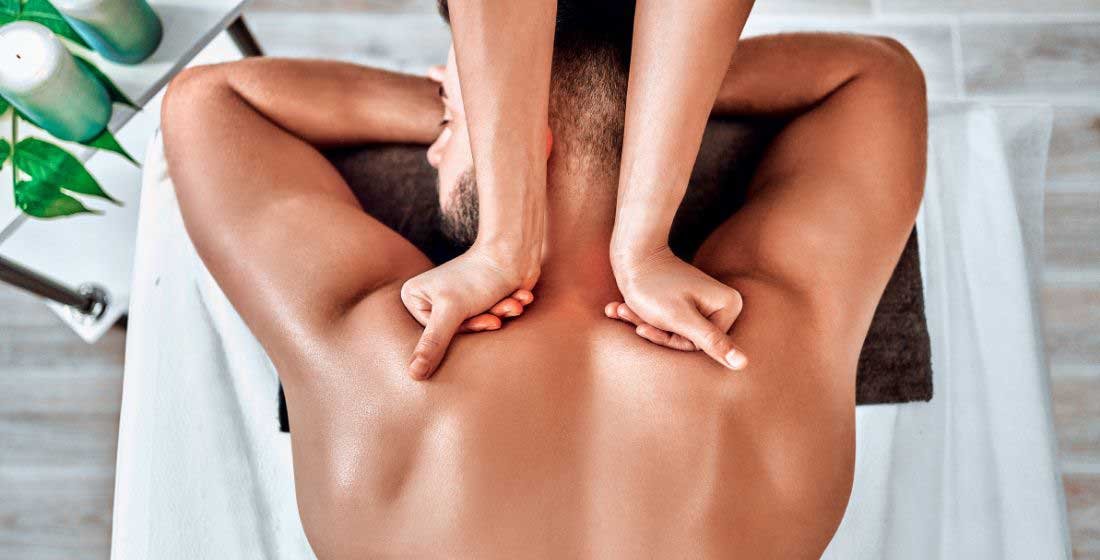
Relieve Muscle Tension: Deep Tissue Massage Benefits
Deep tissue massage, often misunderstood, is a therapy that extends far beyond the surface, reaching the deep layers of muscle and connective tissue to address the root causes of pain and discomfort.
Listen To Your Body
Lower back pain doesn’t usually appear out of nowhere. It builds. It whispers before it shouts.
Maybe it starts as stiffness after work. A pull when you bend forward. A tightness that lingers longer than it used to. Those early signals matter.
Listening to your body doesn’t mean overreacting to every ache. It means paying attention to patterns. Noticing what makes the discomfort better or worse. Being aware of how long symptoms last and whether they’re improving.
If you’re using heat, cold, or short-term medication, it’s helpful to keep track of what actually provides relief. That information becomes valuable if you decide to seek professional care later. It gives context. It helps guide the next steps.
Lower back pain is common. It can happen to anyone, whether you sit at a desk all day, stay active, or fall somewhere in between.
The encouraging part is this: when addressed early and thoughtfully, most back pain responds well. Small adjustments, steady support, and timely care often prevent it from becoming something that lingers longer than it should.
Your body usually tells you what it needs. The key is giving it the space to be heard.
If you have any further doubts or questions regarding this subject or another treatment, contact one of our experienced Acupuncturists or Registered Massage Therapists here at West End Wellness Clinic. You can either give us a call or make an appointment.
Disclaimer: Please remember this article is for informational purposes only and should not replace professional medical advice. Please consult a healthcare provider or someone with the correct qualifications before starting any new exercise or treatment program.