
Stay in the Game: The Role of Massage Therapy in Injury Prevention
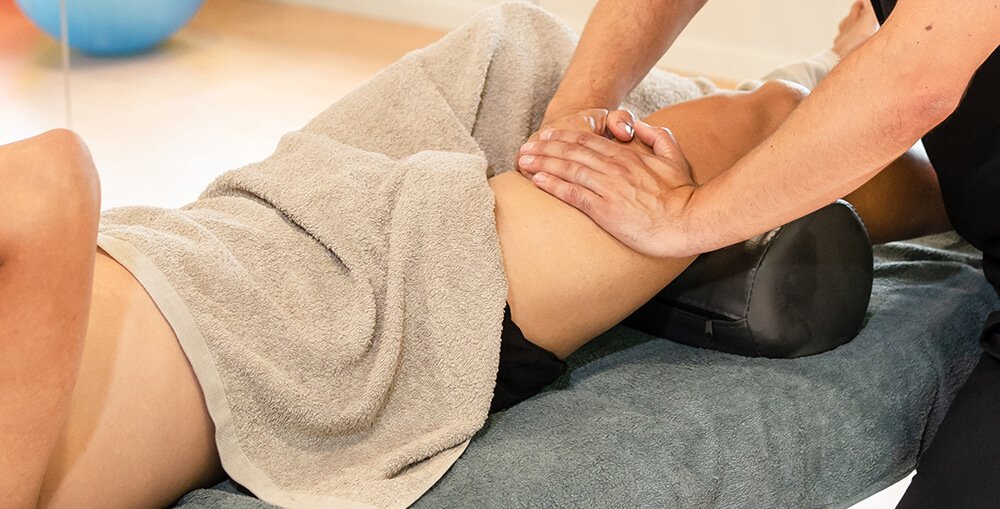
Table of Contents Show
Quick Summary
Most people view an injury as a sudden 'oops' moment—a snap or a strain that brings everything to a halt. But usually, your body has been whispering for weeks before it finally shouts. This article explores the role of massage therapy in injury prevention, shifting the focus from fixing problems to stopping them before they start.
We dive into the biomechanics of movement, identifying the hidden signals of asymmetrical strain and the science of keeping your muscles resilient. Whether you are a weekend warrior or a competitive athlete, understanding how to maintain tissue elasticity is the key to athletic longevity. Instead of waiting for a setback to sideline you, learn how to stay ahead of the curve so your next adventure is never cut short.
TL;DR: The Role of Massage Therapy in Injury Prevention
Identify the 'Hidden' Tightness: Massage detects "micro-tensions" before they become full-blown tears or strains.
Improve Biomechanics: By releasing fascial restrictions, we ensure your joints move through their full range of motion, reducing "wear and tear."
The Nervous System Reset: Regular sessions lower cortisol and move you into a "repair state," which is essential for long-term tissue health.
Proactive vs. Reactive: Monthly maintenance is 10x more effective (and less expensive) than rehabilitating a chronic injury.
Come rain or shine, there are dedicated Vancouverites who will be out enjoying a vibrant lifestyle, whether challenging themselves to hike the Grouse Grind, kayaking around False Creek, or just keeping fit with a trip to their local gym!
All that does is invite both adventure and the risk of sports-related injuries.
We will help encourage and highlight the critical role of sports massage in injury prevention and rehabilitation, offering valuable insights for active individuals.
By sharing our experiences, we hope to teach you how massage therapy can enhance athletic performance, strengthen the immune system, and promote muscle relaxation, thereby minimizing the risk of injury and aiding recovery.
Beyond the 'Pop': The Clinical Case for Proactive Recovery
The main purpose of an injury management massage is to facilitate recovery from sports-related injuries, reduce pain and inflammation, and promote healing in the affected areas.
For instance, after a marathon, runners may seek massage therapy to alleviate leg pain and accelerate muscle recovery, helping them return to training sooner and more effectively.
This specific approach underscores the importance of targeted therapeutic interventions in managing and preventing sports injuries, ensuring athletes can continue engaging in their activities with minimal downtime.
The Symptom Checker: Is Your Body Signalling a "Pre-Injury"?
Often, an injury doesn't happen in a single moment; it results from weeks of the body overcompensating for hidden tension. At West End Wellness, we encourage our clients to look for these three 'red flags' that suggest your muscles are reaching their limit:
The 'First Step' Stiffness: If you feel significant stiffness in your feet, calves, or lower back during those first few steps out of bed, your fascia is likely tightening overnight to protect overworked muscles.
Asymmetrical Tension: Do you notice that your left shoulder always feels higher than your right after a day at the desk? Or does one hip feel 'pinched' after a run? This asymmetry is a sign of a compensation pattern that, if left unaddressed, can lead to joint misalignment and strain.
The Persistent 'Heavy' Limb: If one leg or arm feels consistently 'heavier' or slower to recover than the other, you may be experiencing the Ischemic Cycle, where reduced blood flow is preventing proper muscle repair.
If you recognize these signs, your body is in a 'pre-injury' state. A proactive clinical reset can interrupt these patterns before they become a chronic issue.
Detecting the 'Silent' Warning Signs of Overuse
Often, the most dangerous stage of an injury is the one you can’t feel yet. At West End Wellness, we look for 'silent' warning signs—hidden indicators that your body is overcompensating for tension.
Case Study: The Asymmetrical Runner We recently worked with a client training for a local half-marathon who had no 'pain,' but noticed their left shoe was wearing down faster than their right. During our assessment, we identified a 'silent' restriction in their left hip flexor. While they didn't feel hurt, their body was subtly shifting its weight, putting 15% more stress on the right knee with every stride. Through targeted Trigger Point Therapy, we released the hip restriction, immediately levelling their gait and preventing a predictable 'overuse' injury before it could start.
According to the American Medical Society for Sports Medicine, early identification of these biomechanical asymmetries is the single most effective way to reduce the risk of stress fractures and tendonitis.
Is it safe to do one more rep, or best to step back? This article explores the physiology of soreness, helping you distinguish between the 'good' ache of progress and the 'bad' pain of a potential injury.
The Biomechanics of Sport: How RMT Keeps You in the Game
Injury Prevention Through Sports Massage focuses on preparing the body for physical demands, enhancing flexibility, and improving blood circulation, which together play a significant role in minimizing the risk of sports-related injuries.
Reducing The Risk Of Injury: Regular massage sessions can identify potential problem areas before they develop into injuries by improving muscle elasticity and flexibility.
Scar Tissue Management: Effective in breaking down scar tissue, massage therapy facilitates healing and prevents the loss of mobility often associated with scar formation.
Posture and Mobility Improvements: By addressing musculoskeletal imbalances, massage therapy can improve posture and mobility, further reducing the risk of injury.
For example, a runner might receive a sports massage before a race to prepare their muscles, reducing the likelihood of strains or sprains.
This preventive strategy emphasizes the importance of regular sports massage in maintaining an athlete’s condition, helping them continue their activities with a reduced risk of injury.
Proactive Recovery: Essential Habits Beyond the Clinic
While a session at West End Wellness provides the necessary 'mechanical reset,' injury prevention is a 24/7 process. We often tell our clients that the work we do on the table is only half the battle; the other half happens in the choices you make between appointments.
Case Study: The 'Weekend Warrior' Recovery. We worked with a local recreational soccer player who was experiencing recurrent hamstring strains. Despite regular massage, the issue persisted. By digging into their daily habits, we realized they were sitting for eight hours post-game without any 'active' recovery. We implemented a simple 10-minute movement protocol for their 'off' days. By combining this home-care with bi-weekly Therapeutic Massage, they haven't missed a game in two seasons.
Our Top 3 Proactive Recommendations:
1. Active Recovery over Total Rest: On your non-training days, don't stay static. Light movement—like a walk along the Seawall—increases blood flow without adding stress, helping to clear metabolic waste from your tissues.
2. Targeted Hydration and Fascial Health: Fascia is like a sponge; it needs hydration to stay pliable. Dehydrated fascia becomes 'sticky' and prone to the adhesions we discussed in the Ischemic Cycle section.
3. The 'Post-Sitting' Reset: If you work a desk job, your muscles are 'setting' in a shortened position. We recommend 30 seconds of chest and hip openers every hour to counteract the postural strain of Vancouver’s corporate life.
For more detailed tips on managing daily muscle tension, check out our guide on the Benefits of Therapeutic Massage.

Massage Magic: Soothe sore muscles, boost recovery with sports massage.
Restoring the Ischemic Cycle: The Science of Tissue Elasticity
The goal of proactive sports massage is to maintain tissue elasticity. When muscles are under constant stress, they enter what clinical researchers call the Ischemic Cycle.
Case Study: The Corporate Cyclist. Consider a client who spends 40 hours a week at a desk and then hits the trails on the weekend. Their chest muscles (pectorals) become chronically short and 'ischemic', meaning blood flow is restricted. When they reach for their handlebars, that tight tissue acts like a tether, pulling their shoulders out of alignment and causing 'pins and needles' in their hands.
By using Myofascial Release, we manually break those adhesions. Research published in the Journal of Sports Science & Medicine confirms that manual therapy significantly improves blood lactate clearance and muscle oxygenation, restoring the 'spring' your muscles need to absorb shock.
Proactive Recovery: Essential Habits Beyond the Clinic
Proactive measures beyond massage encompass a holistic approach to injury prevention, involving lifestyle choices and recovery techniques that complement massage therapy.
To be proactive in preventing injuries and enhancing recovery beyond massage, consider these strategies:
Balanced Nutrition: Consuming a diet rich in anti-inflammatory foods to support muscle recovery and strength.
Hydration: Staying well-hydrated to ensure optimal body function and muscle health.
Regular Stretching: Incorporating flexibility exercises like yoga or pilates to improve range of motion and reduce the risk of injuries.
Adequate Rest: Prioritizing sleep and rest days to allow the body to repair and strengthen, preventing overuse injuries.
These measures ensure a well-rounded injury-prevention strategy, supporting an active lifestyle while reducing the likelihood of sports-related injuries.
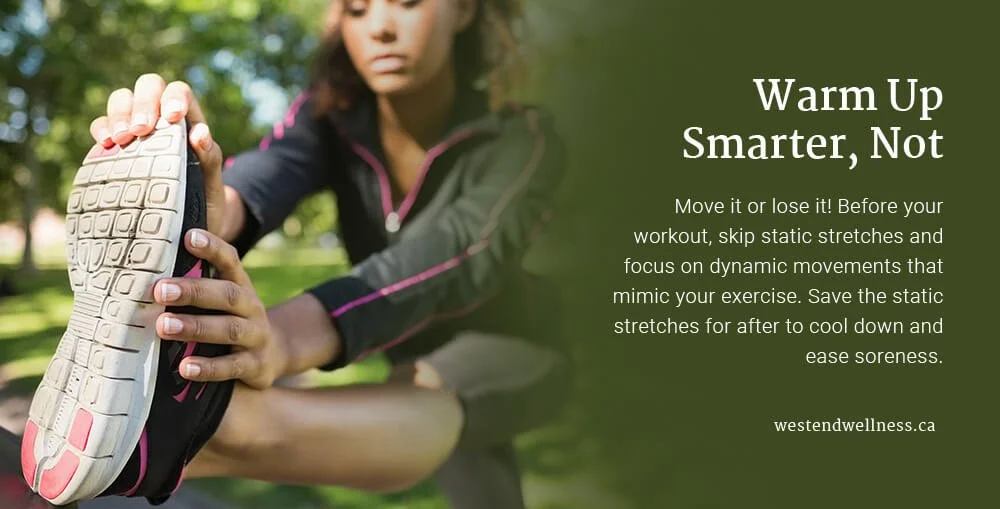
Prevent Injury: Stretch dynamic, not static, before workouts.
FAQ
What Are The Benefits of Massage Therapy for Sports Injuries?
Massage therapy for sports injuries offers several benefits: it helps reduce recovery time by improving blood circulation to the injured area, decreases inflammation and pain, and increases flexibility and range of motion.
Enhancing Athletic Performance: Regular massage therapy can increase flexibility, reduce fatigue, and improve endurance, enhancing overall athletic performance.
Strengthening the Immune System: Massage therapy boosts the immune system by stimulating lymph flow, which is crucial for athletes' health and illness prevention.
Promoting Muscle Relaxation: Massage helps to relieve muscle tension and stiffness, ensuring muscles are in optimal condition for exercise and performance.
For example, a basketball player with a sprained ankle might use massage therapy to reduce swelling and accelerate healing. This not only aids in quicker rehabilitation but also enhances overall athletic performance by ensuring the body is in optimal condition to return to play.
How Do Sports Injuries Prevent Injury?
Sports massage helps increase circulation and flexibility, reduce muscle tension, and thereby reduce the risk of injury during physical activity.
Does Acupuncture Hurt?
Incorporate regular stretching to improve flexibility and engage in strength training to enhance muscle and joint stability.
What Are Two Things You Can Do to Prevent Sports Injuries?
The number of sessions depends on the severity and type of pain. Your acupuncturist will create a personalized treatment plan based on your needs.
Why is Massage Important For Injuries?
Massage accelerates the healing process by improving blood flow to the injured area, reducing inflammation and facilitating the repair of muscle tissues.
Final Thoughts: Investing in Your Athletic Longevity
Injury prevention is rarely about making one massive change; it is about the consistent, proactive choices you make to respect your body’s limits. We’ve explored how asymmetrical strain can hide in plain sight, how the Ischemic Cycle can rob your muscles of their natural spring, and why clinical manual therapy is such a powerful tool for detecting those 'silent' warning signs before they become setbacks.
Whether you are a competitive athlete or someone who simply values a daily walk, the goal remains the same: moving with confidence. You now have the roadmap to identify your body's whispers and the science to understand why a 'reset' is necessary.
If you’re feeling a persistent 'tweak,' noticing a loss of mobility, or simply want to ensure your body is prepared for your next season of activity, don't wait for the 'shout.' Take the next step toward your personal best—whether that’s diving deeper into our recovery resources or booking a proactive clinical assessment. Your future self, still active and pain-free, will thank you for it.
If you have any further doubts or questions regarding this subject or another treatment, contact one of our experienced Acupuncturists or Registered Massage Therapists here at West End Wellness Clinic. You can either give us a call or make an appointment.
Disclaimer: Please remember this article is for informational purposes only and should not replace professional medical advice. Please consult a healthcare provider or someone with the correct qualifications before starting any new exercise or treatment program.