
Your Lymphatic System & Pain: What the Swelling Is Actually Telling You
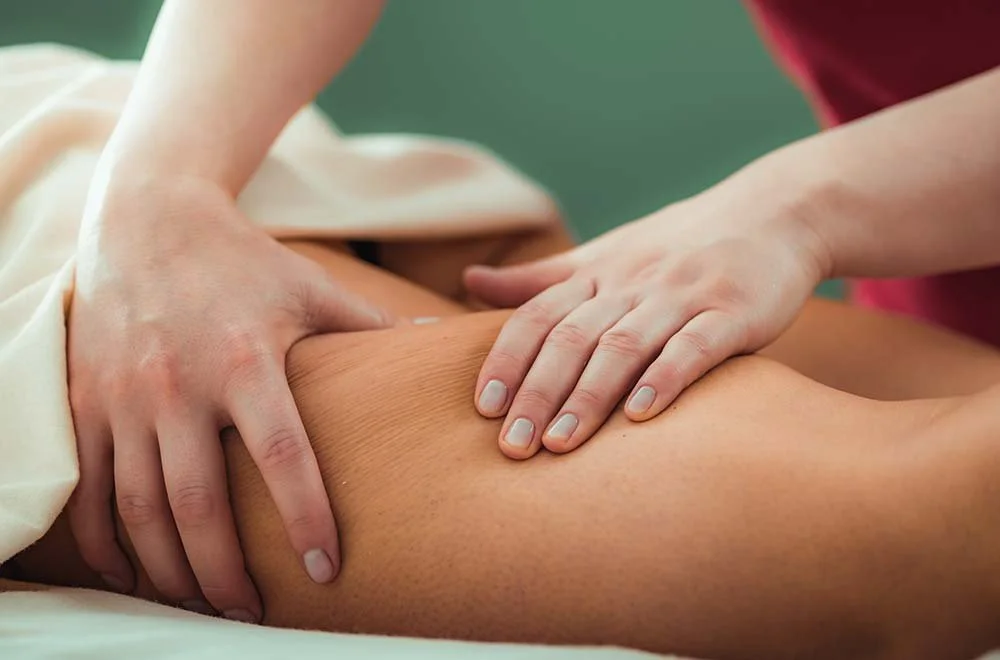
Table of Contents Show
Quick Summary
Most people know swelling means something is wrong. Fewer understand that the lymphatic system is often the reason swelling lingers, pain persists, or recovery stalls. This article explains what lymph actually does in the body, why congestion leads to pain and inflammation, and what happens when the system gets overloaded.
Whether you are recovering from an injury, dealing with post-surgical swelling, or noticing chronic puffiness that will not resolve, lymphatic drainage massage offers a clinically supported way to restore flow, reduce fluid buildup, and support your body's natural healing process.
TL;DR – How Lymph Relates To Pain & Swelling
Your lymphatic system is your body's drainage network. When it slows down, fluid builds up, and pain follows
Unlike blood, lymph has no pump; it relies entirely on movement and muscle activity to flow
Swelling (edema) is often a sign that the lymphatic system is congested, not just injured tissue
Lymphatic drainage massage (MLD) uses light, precise techniques to manually move fluid and reduce inflammation
Active lifestyle factors, such as injury, surgery, and long periods of sitting, can all affect lymphatic flow
Most people don't think about their lymphatic system until something swells. An ankle after a sprain. A knee after surgery. That heavy, puffy feeling in your legs after a long flight or a week of sitting at a desk on Burrard.
The swelling gets noticed. The system behind it rarely does.
Your lymphatic system is constantly running in the background, draining excess fluid, clearing waste, and supporting your immune response. When it keeps up with demand, you feel fine. When it gets overloaded or blocked, fluid accumulates in your tissues, creating pressure, inflammation, and pain.
Your lymphatic system is constantly working in the background, moving 2–4 litres of fluid each day, clearing cellular waste, and supporting your immune response. It transports lymph, which carries white blood cells that help fight infection, but unlike your heart-driven circulation, it relies on movement and breathing to keep everything flowing.
Understanding this connection changes how you think about recovery. Swelling is not just a side effect of injury. It is often a signal that your body's drainage system needs support.
What Is the Lymphatic System and What Does It Do?
Think of your circulatory system as the city's water supply. Arteries and veins carry blood throughout the body, delivering oxygen and nutrients. But as blood moves through tiny capillaries, some fluid leaks out into the surrounding tissue. That fluid needs to be collected and returned to the bloodstream. That is the lymphatic system's job.
The lymphatic system is a network of organs, vessels, and tissues that move a colourless fluid called lymph back into your bloodstream. This fluid carries white blood cells, metabolic waste, proteins, and cellular debris.
It flows through a network of vessels and passes through lymph nodes, small filtering stations found in the neck, armpits, groin, and abdomen, before eventually returning to the heart.
Here is the critical difference from blood: the lymphatic system does not have an organ like the heart to pump fluid around your body. Instead, lymph fluid relies on movement and muscle contractions to flow.
That dependency on movement matters enormously. If you are sedentary, injured, recovering from surgery, or simply sitting at a desk for long stretches, lymph flow slows.
Fluid that should be draining starts to pool in the tissues. That pooling is the beginning of swelling and the beginning of pain.
Why Does Lymphatic Congestion Cause Pain and Swelling?
When the lymphatic system cannot drain efficiently, excess fluid accumulates in the interstitial space, the tissue between your cells. Clinically, this is called edema. When it becomes a chronic condition linked to lymphatic damage or dysfunction, it is called lymphedema.
Inflammation is characterized by five cardinal symptoms: redness, increased heat, swelling, pain, and impaired function. The lymphatic system sits at the centre of all five.
When fluid accumulates and the system is congested, those inflammatory mediators that would normally be cleared away linger in the tissue. The pressure builds. Nerves become irritated. Pain follows.
When lymph fluid builds up, swelling usually occurs in the arms and legs. If your rings feel tight or your clothes feel a bit snug, that could be a sign you are retaining excess fluid. You might also experience pain and a feeling of heaviness.
The connection between lymphatic congestion and pain is often missed because the swelling looks like the problem. In many cases, it is the symptom.
Congestion is the root cause, and treating it directly, rather than just managing the swelling, leads to faster and more complete recovery.
What Causes the Lymphatic System to Become Congested?
The lymphatic system is resilient, but it can be overwhelmed. Several common situations affect lymphatic flow, many of which are relevant to active people in Vancouver.
| Cause | What Happens | Common Signs |
|---|---|---|
| Injury or Trauma | Damaged tissue triggers inflammation. Fluid rushes to the area faster than lymph vessels can drain it. | Localised swelling, bruising, pain, reduced movement |
| Post-Surgery | Lymph vessels or nodes may be cut, removed, or disrupted. Drainage pathways are interrupted. | Persistent swelling in the operated area or nearby limb |
| Inactivity | Lymph relies on muscle contractions to move. Prolonged sitting or reduced activity slows flow significantly. | Heavy or puffy legs, mild swelling in feet or ankles |
| Chronic Inflammation | Conditions like rheumatoid arthritis or fibromyalgia generate ongoing inflammatory fluid that overwhelms drainage capacity. | Recurring joint swelling, skin changes, persistent fatigue |
| Infection | Immune cells flood the lymph nodes as the body fights bacteria or viruses, causing the nodes to swell. | Tender, enlarged nodes in the neck, armpits, or groin |
Common causes include injury and trauma, in which the body treats the damage as an injury, resulting in cellular inflammation, while lymph fluid may accumulate in one area, causing swelling and slowing tissue repair.
Post-surgical recovery is another major factor, particularly after procedures where lymph nodes are removed or lymph vessels are disturbed. Even prolonged inactivity, long workweeks at a desk, extended travel, or reduced activity during illness reduces the muscle contractions that drive lymph flow.
Chronic conditions, including rheumatoid arthritis, fibromyalgia, and chronic venous insufficiency, can all contribute to poor lymphatic drainage. Infection and tight muscles may also be signs of lymphatic congestion.
How Does Lymphatic Drainage Massage Help?
Manual Lymphatic Drainage (MLD) is a specialized massage technique developed in 1936 specifically to stimulate the lymphatic system. It is very different from a standard deep tissue session.
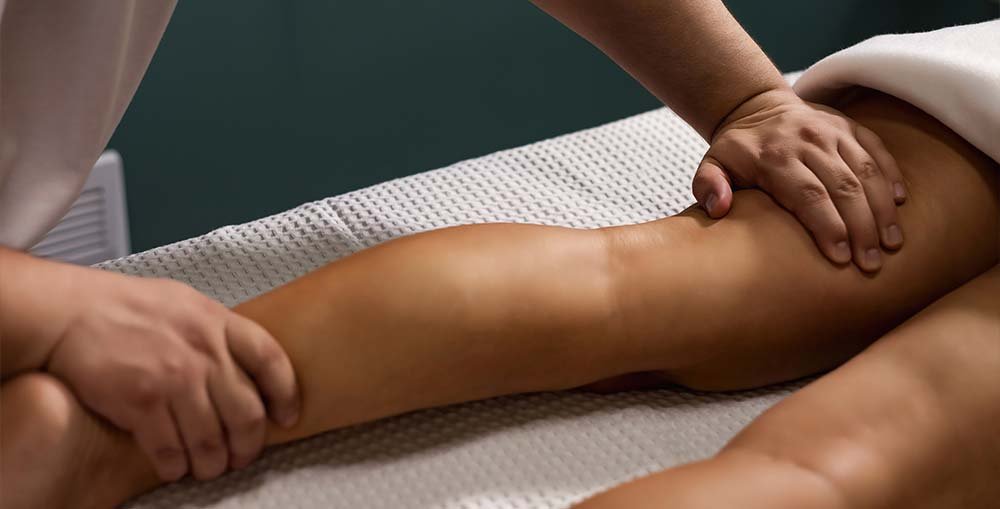
Unlike traditional massage, lymphatic drainage massage uses light pressure to mobilize the lymphatic system, which lies directly beneath the skin. The technique uses gentle, rhythmic strokes to stretch the skin in specific directions, encouraging lymph fluid to move from congested areas toward functioning lymph nodes where it can be filtered and reabsorbed.
A session typically begins at the lymph node clusters in the neck, armpits, and groin, clearing these areas first to create space for fluid to drain into.
The therapist then works outward, guiding fluid from swollen areas toward those cleared pathways. A massage therapist uses lymphatic drainage techniques to move lymph from your tissues to your lymph nodes, which eases the swelling.
Research supports MLD beyond general swelling. A narrative review of studies found that manual lymphatic drainage has shown promise in alleviating symptoms beyond edema and lymphedema, including reducing fatigue and raising a person's pain threshold.
For post-surgical patients, those recovering from injury, and people managing chronic inflammatory conditions, MLD can meaningfully accelerate the healing process.
West End Wellness’s lymphatic drainage massage sessions are performed by registered massage therapists trained in MLD. Treatment is adapted to your specific condition, whether that is post-injury swelling, post-surgical recovery, or chronic fluid retention.
Signs Your Lymphatic System May Need Support
Not everyone with a sluggish lymphatic system experiences dramatic swelling. The signs are often subtler and easy to dismiss as general fatigue or normal body changes.
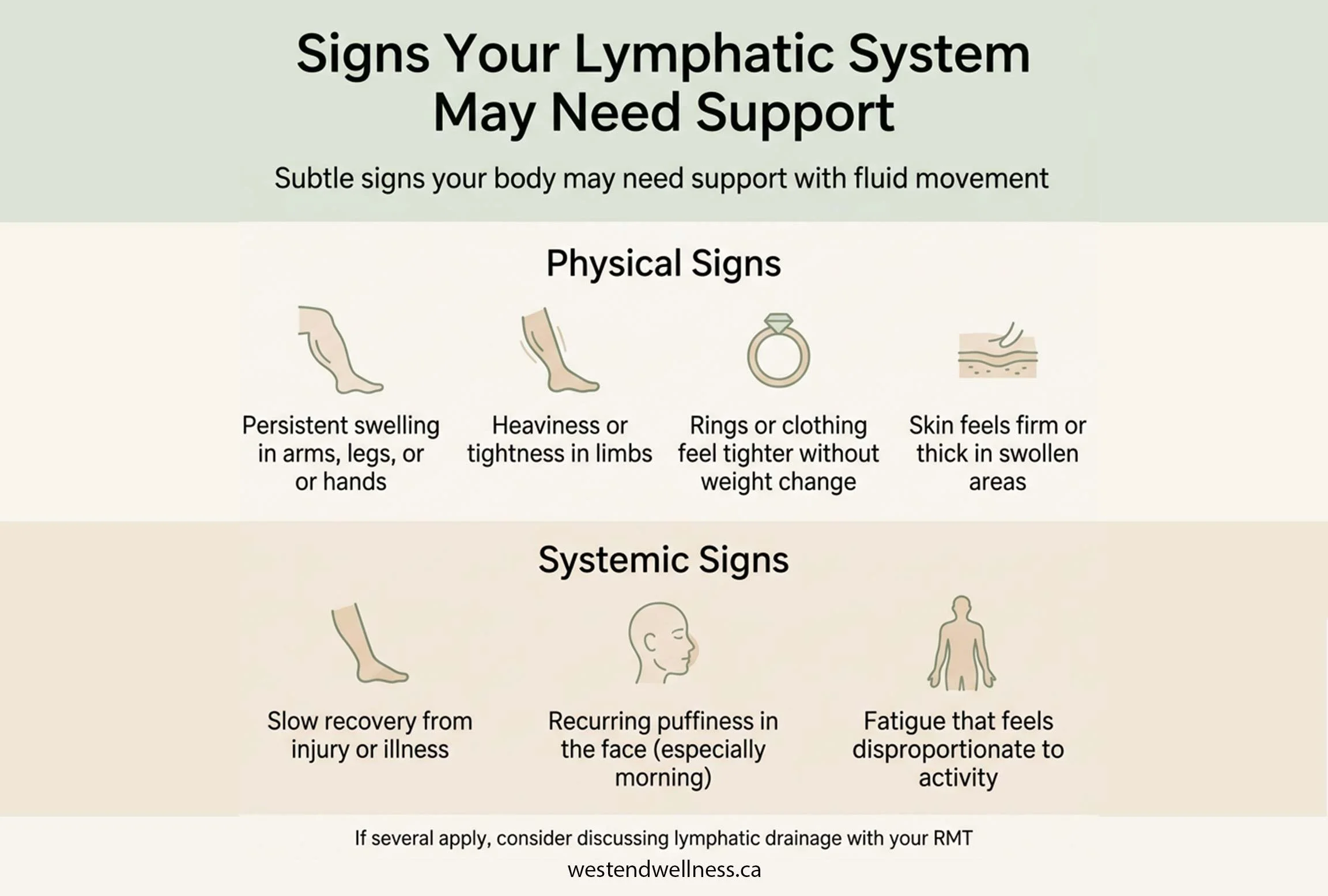
The following symptoms may indicate that lymphatic drainage is worth exploring with your practitioner. If several apply to you, it is worth discussing with your RMT before your next session.
Persistent swelling in the arms, legs, or hands that does not resolve with rest
A feeling of heaviness or tightness in the limbs
Rings or clothing feel tighter than usual without a weight change
Skin that feels firm or thickened in areas of recurring swelling
Slow recovery from injuries, illness, or surgery
Recurring puffiness in the face, particularly in the morning
Fatigue that feels disproportionate to your activity level
What You Can Do to Support Lymphatic Flow at Home
Professional treatment works best when supported by daily habits. Because the lymphatic system depends on movement and muscle contractions to circulate, the most effective self-care strategies involve keeping the body active and hydrated.
Movement
Deep Breathing
Hydration
Elevation

Learn what this gentle technique involves, how it supports your immune system, and who it’s best suited for. Lymphatic drainage massage helps your body detox naturally, reduce swelling, and boost circulation.
Frequently Asked Questions
What is the difference between edema and lymphedema?
Edema is the general medical term for swelling caused by fluid accumulation in the tissues. Lymphedema is a specific, often chronic form of edema caused by damage or dysfunction of the lymphatic system, most commonly following surgery, injury, or certain medical conditions.
Both involve fluid buildup, but lymphedema requires specialized treatments, such as MLD, to be managed effectively.
Is lymphatic drainage massage painful?
No. MLD uses very light pressure specifically because the lymphatic vessels sit just beneath the skin.
It should feel gentle, almost like a slow skin stretch. If a session causes pain, the pressure is too heavy. A trained RMT will always work within a comfortable range.
How many lymphatic drainage massage sessions do I need?
For acute post-injury or post-surgical swelling, meaningful relief is often noticeable after one to three sessions.
Chronic lymphatic congestion or lymphedema typically benefits from a more consistent schedule of weekly sessions initially, tapering as symptoms improve. Your RMT will advise based on your specific situation.
Can I do lymphatic drainage on myself at home?
Simple self-drainage techniques can be learned and used between professional sessions.
These include light skin-stretching movements starting at the neck, deep diaphragmatic breathing, and gentle limb elevation. A trained therapist can show you the correct technique for your specific area. Incorrect self-massage on an acutely swollen area can be counterproductive.
Who should not have a lymphatic drainage massage?
MLD is not appropriate for everyone. People with active infections, blood clots, congestive heart failure, or kidney disease should consult their doctor before treatment, as MLD increases fluid circulation, which can place additional load on those systems. Your RMT will take a thorough intake before any session.
Final Thoughts
Swelling and pain are not just consequences of injury; they are often signals that your body's drainage system is struggling to keep up. When lymph flow slows, fluid accumulates, inflammation lingers, and recovery stalls.
Addressing the lymphatic system directly, through professional MLD treatment and consistent daily movement, is one of the most effective ways to move past that plateau.
If you are dealing with persistent swelling, recovering from surgery, or managing a condition that affects fluid balance, our team at West End Wellness can help. Book a lymphatic drainage session or reach out to find out what treatment is right for you.
If you have any further doubts or questions regarding this subject or another treatment, contact one of our experienced Acupuncturists or Registered Massage Therapists here at West End Wellness Clinic. You can either give us a call or make an appointment.
Disclaimer: Please remember this article is for informational purposes only and should not replace professional medical advice. Please consult a healthcare provider or someone with the correct qualifications before starting any new exercise or treatment program.